The Enduring Mystery of Ancient Ruins
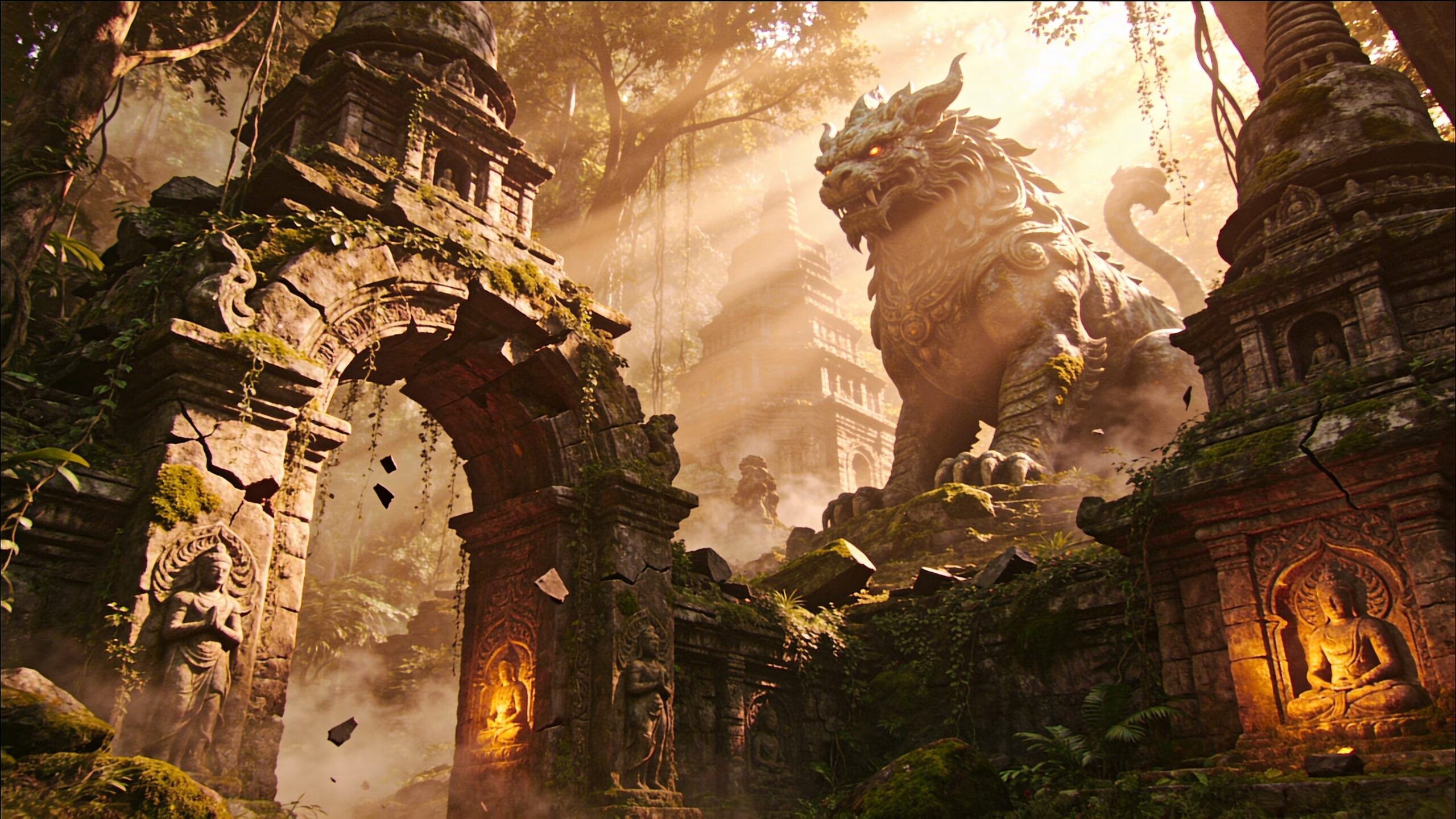
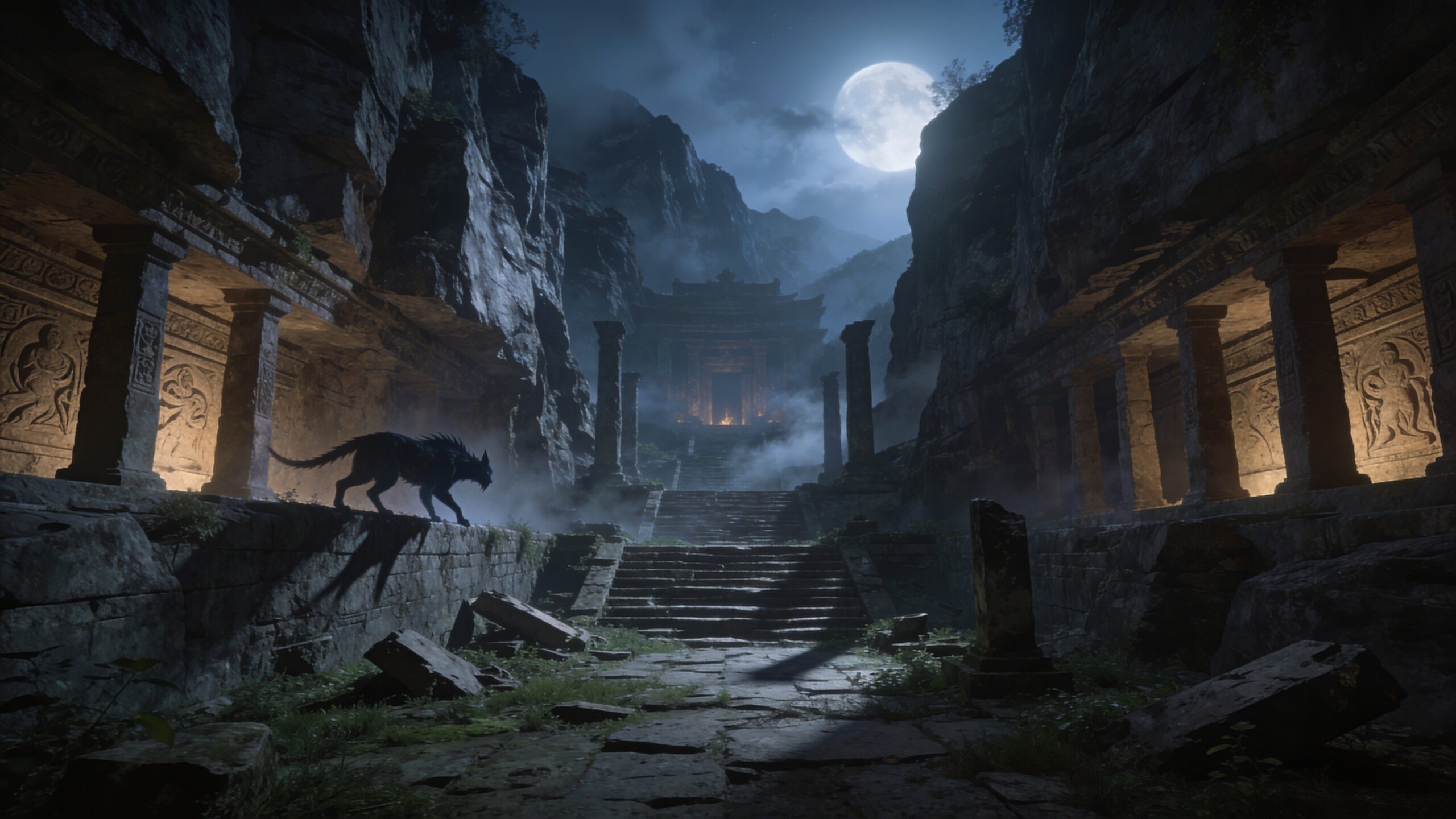
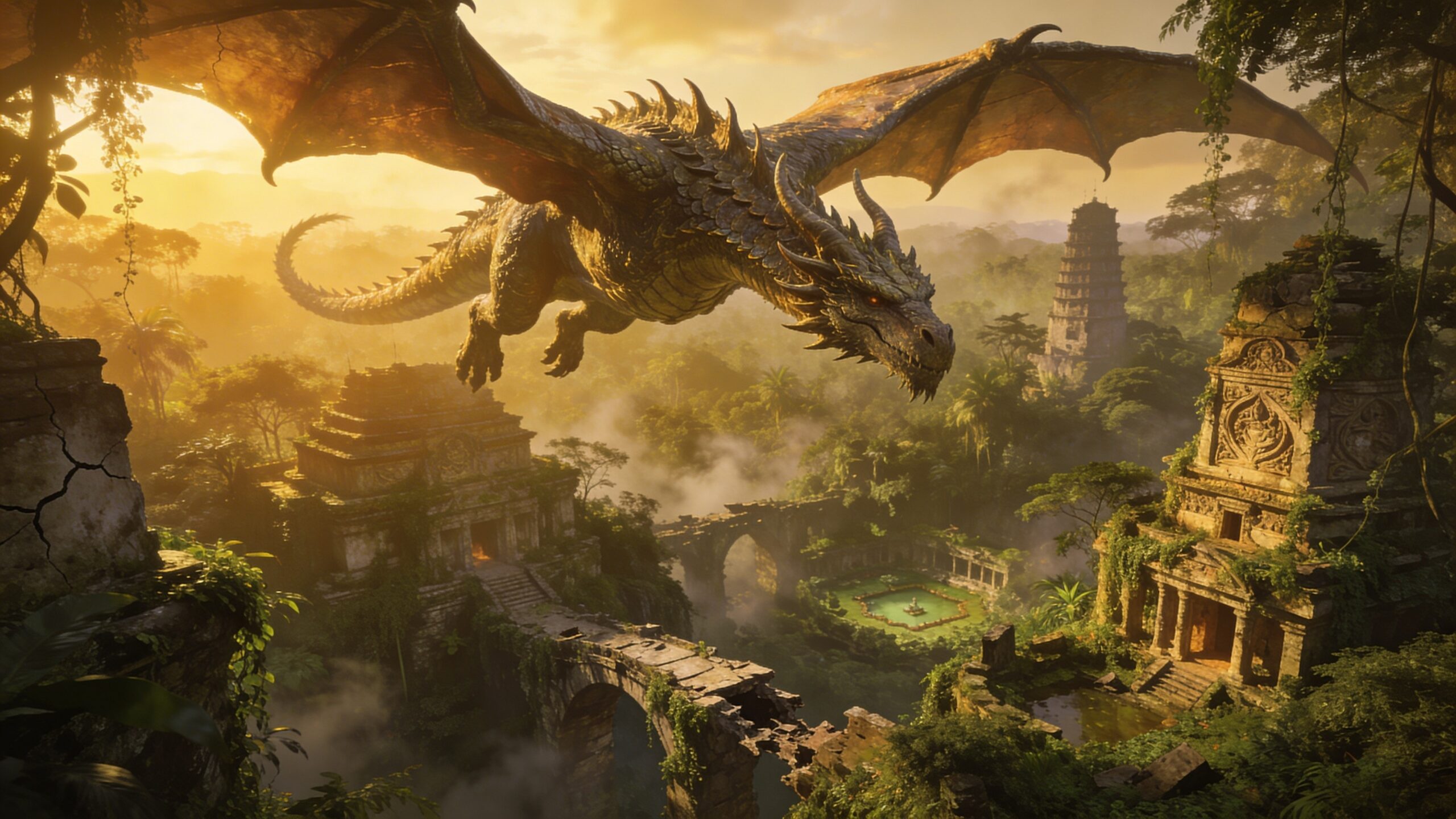
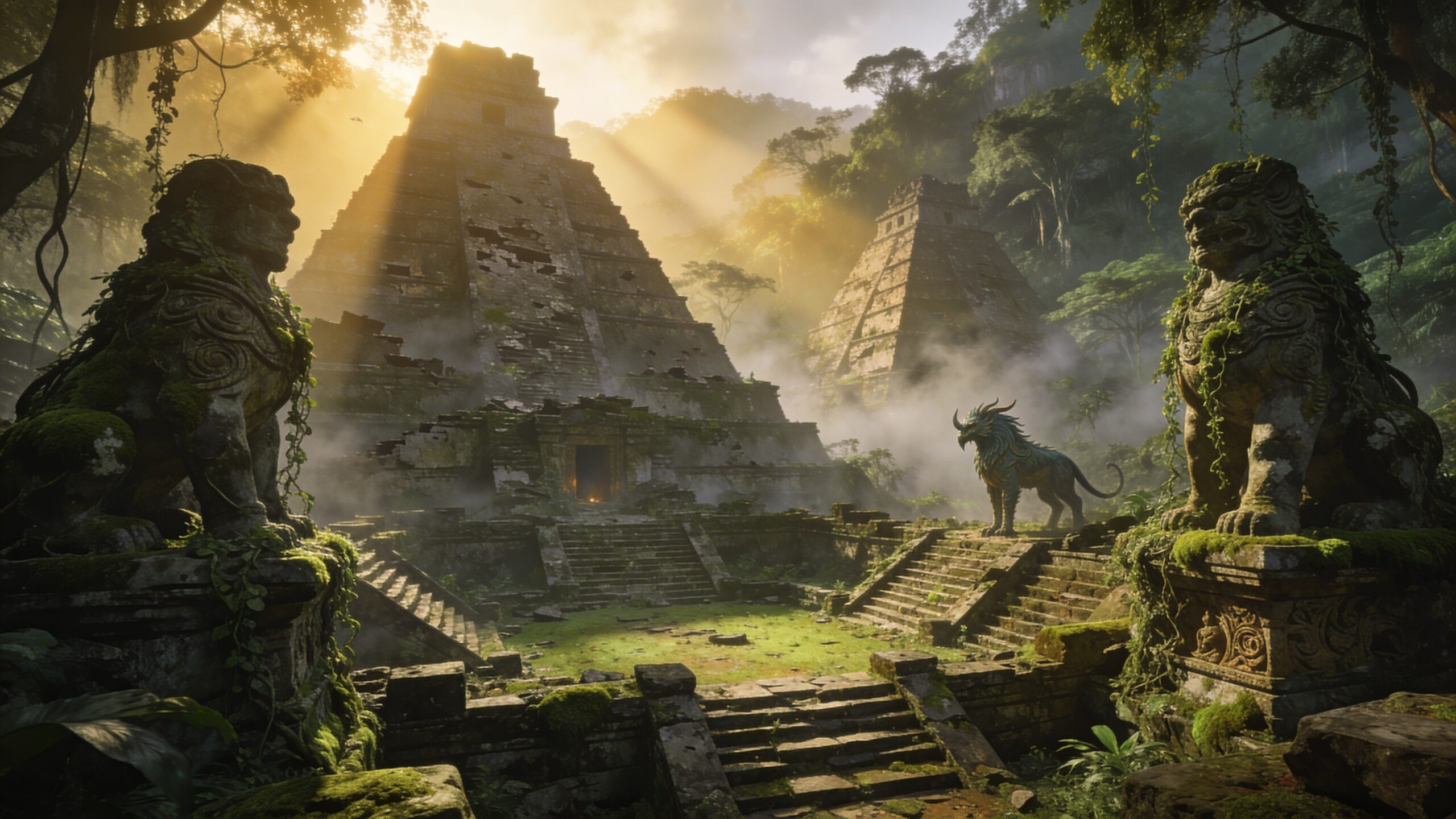
Ancient ruins have a way of capturing human imagination unlike almost any other place on Earth. Long after the people who built them have disappeared, the structures remain standing as silent reminders of lost civilizations. Massive temples, crumbling cities, and forgotten sanctuaries scattered across jungles, deserts, and mountains create a powerful sense of mystery. Visitors walking through these ruins often feel as though they are stepping into a world that time forgot. Because of this powerful atmosphere, ancient ruins naturally inspire stories. For centuries, people have told legends about strange creatures living among these abandoned structures. From enormous serpents lurking in underground chambers to shadowy beasts watching from broken towers, mythical creatures are often described as inhabitants of ancient ruins. These stories are not random. They reflect deep cultural ideas about history, nature, and the unknown.
A: Because ruins already feel mysterious, sacred, and incomplete, making them natural settings for legends about hidden beings.
A: Dragons, serpents, shadow beasts, stone guardians, and winged protectors are among the most common.
A: No; many are protectors or sacred guardians rather than simple monsters.
A: Temples were sacred spaces, so people naturally imagined supernatural beings still protecting them after abandonment.
A: Overgrown ruins, strange sounds, shadows, and animal movement make the sites feel alive and mysterious.
A: Yes; sealed rooms and underground tunnels create perfect spaces for stories about creatures living unseen below the ruins.
A: Very likely; stories about guardians may have discouraged looting, trespassing, or disrespect toward sacred places.
A: Serpents symbolize hidden wisdom, underground power, and sacred danger in many cultures.
A: Because they combine archaeology, mystery, adventure, and the enduring possibility of something unknown.
A: They make the past feel active instead of dead, suggesting that history still has guardians, secrets, and power.
The Psychological Power of Forgotten Places
One reason mythical creatures are associated with ancient ruins is the psychological effect these places have on the human mind. Ruins represent the remains of something that was once alive with people, culture, and activity. When those spaces become silent and empty, the contrast can feel unsettling.
Walking through a crumbling temple complex or abandoned stone city creates a sense that something is missing. The mind naturally tries to fill that emptiness with explanations. Legends about mythical creatures living in the ruins provide a narrative that makes the environment feel alive again. Instead of empty structures, the ruins become places inhabited by mysterious guardians or hidden beasts.
The Influence of Ancient Beliefs and Religion
Many ancient ruins were originally built as sacred spaces. Temples, shrines, and ceremonial plazas were designed to connect humans with divine forces. Because these locations held spiritual significance, people believed they were protected by supernatural powers. Over time, these spiritual protectors evolved into legends about creatures inhabiting the ruins. Serpents, dragons, winged guardians, and other mythical beings often appear in temple carvings and ancient stories. When the civilizations that built these temples disappeared, the idea remained that the creatures connected to those sacred places might still be there.
The Role of Nature Reclaiming Ruins
Another reason mythical creatures are linked to ancient ruins is the way nature slowly takes over abandoned structures. Jungle vines wrap around stone columns, trees grow through ancient walls, and animals move into empty corridors.
This transformation creates environments where wildlife thrives. Explorers walking through ruins may encounter unusual animals, strange tracks, or mysterious sounds. Over time, these real encounters can evolve into stories about creatures far larger and more powerful than the animals actually present.
When combined with imagination and storytelling, natural environments around ruins become perfect settings for myths about hidden monsters.
Hidden Chambers and Unexplored Spaces
Many ancient ruins contain underground tunnels, sealed rooms, and unexplored chambers. Even modern archaeological teams sometimes discover hidden passages that remained untouched for centuries.
These unexplored spaces fuel legends about creatures living beneath the ruins. People naturally imagine what might exist in dark corridors that no one has seen in hundreds of years. The idea of a mythical creature lurking in an undiscovered chamber adds excitement and danger to the story of the ruins. Such legends also emphasize the mystery of ancient civilizations. If secrets remain hidden underground, then the ruins feel less like relics of the past and more like living puzzles waiting to be solved.
Cultural Storytelling and Guardian Creatures
In many cultures, mythical creatures are not simply monsters. They often act as guardians of sacred places. Dragons guard treasure, serpents protect sacred water sources, and winged creatures watch over temples. When ruins become abandoned, these guardian figures remain in the stories. Legends suggest that the creatures continue to protect the site even after the people who worshipped there have vanished. This idea reinforces the sense that ancient ruins are not ordinary locations but sacred spaces deserving respect. Guardian creature stories also serve an important social purpose. They discourage looting and protect historical sites by warning that disturbing the ruins may awaken powerful beings.
The Influence of Exploration and Adventure
Throughout history, explorers have been fascinated by the possibility of discovering lost cities or hidden temples. Adventure stories often describe explorers encountering strange creatures while searching through ruins.
These tales combine archaeology with fantasy. A forgotten temple becomes more exciting when it is rumored to contain hidden monsters or mysterious guardians. Even if the creatures are purely mythical, the stories add drama and intrigue to the process of exploration. Modern films, novels, and games continue to build on this tradition, reinforcing the connection between mythical creatures and ancient ruins in popular culture.
Monsters as Symbols of the Unknown
Another reason mythical creatures appear in ruin legends is that they symbolize the unknown. Ancient ruins represent lost knowledge and unanswered questions about past civilizations. Mythical creatures become physical representations of that mystery.
Instead of simply wondering what happened to the people who built the ruins, stories imagine creatures that survived long after the civilization disappeared. These beings act as living reminders that the past still holds secrets waiting to be uncovered.
The monsters themselves often reflect the culture telling the story. Some appear as dragons, others as serpents, and still others as shadowy beasts. Each culture shapes its mythical guardians according to its own traditions.
Fear, Respect, and Sacred Ground
Legends about creatures living in ruins often encourage people to approach these sites with caution and respect. Ancient temples and cities were once sacred places where rituals and ceremonies shaped entire societies.
By imagining mythical creatures protecting these ruins, cultures emphasize that such places should not be treated lightly. The monsters become guardians of memory, ensuring that ancient history is not forgotten or disrespected. In this way, mythical creatures serve as symbolic protectors of cultural heritage. They remind people that even abandoned ruins still hold meaning and power.
The Enduring Appeal of Ruins and Myth
Today, ancient ruins remain some of the most captivating places on Earth. Archaeologists study them to understand human history, while travelers visit them to experience their mystery firsthand. At the same time, the legends surrounding these ruins continue to evolve. Stories about mythical creatures living among the ruins are retold in books, films, and online discussions. These myths blend history with imagination, keeping the mystery of ancient civilizations alive. Even in an age of satellites and advanced technology, ancient ruins still feel like places where the unexpected might be waiting. The idea that mythical creatures could inhabit these forgotten cities reflects humanity’s enduring fascination with the unknown.