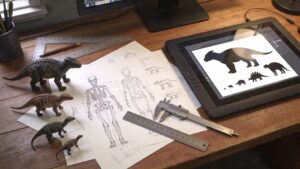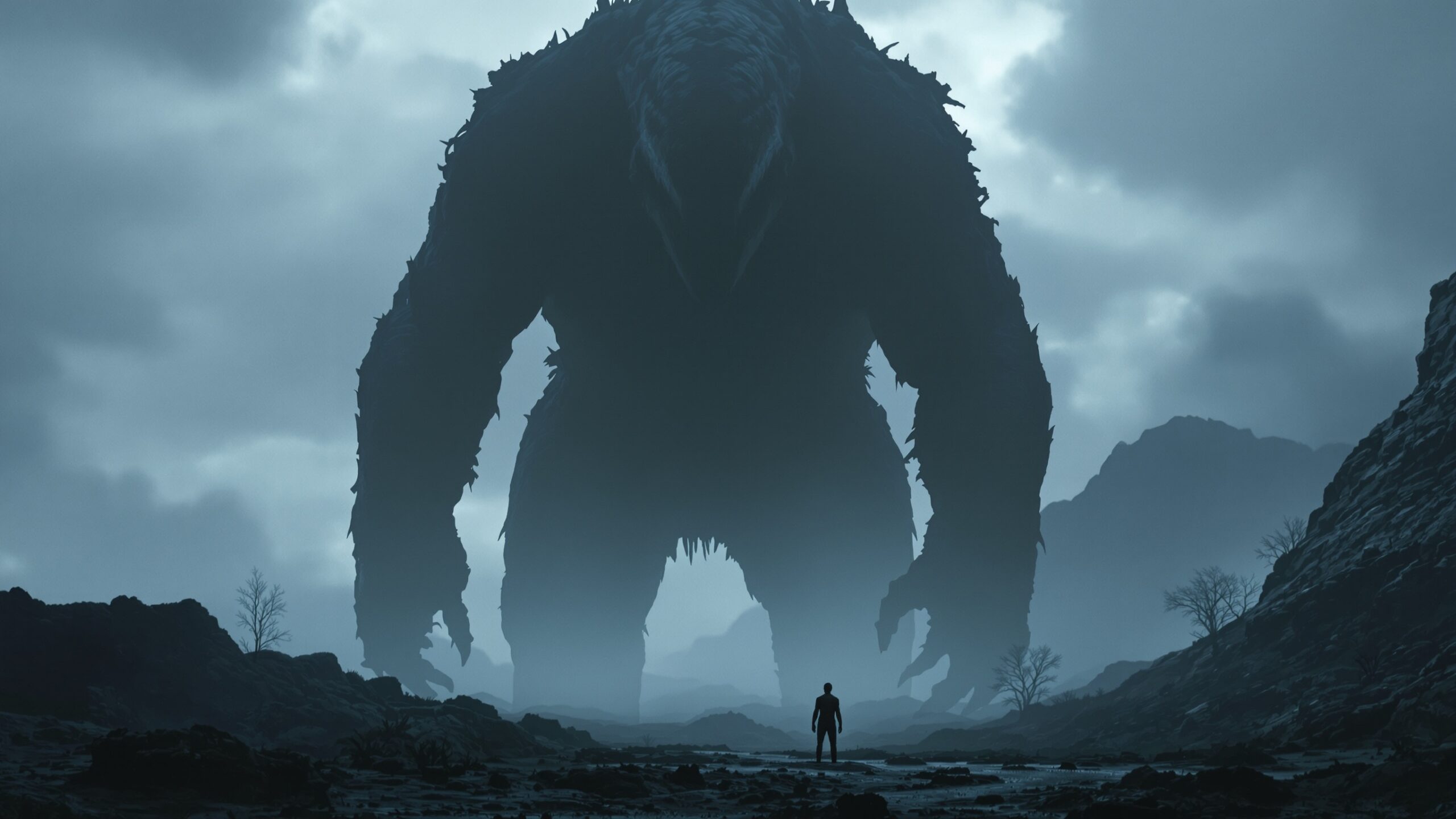
Size, scale, and proportion are the silent forces that define how creatures dominate, evade, endure, or disappear. On Creature-Street, this category explores how big, small, long, wide, or towering bodies shape survival in ways that go far beyond appearance. Why can tiny creatures lift many times their own weight, while giants rely on sheer mass and momentum? How do limb length, body ratios, and surface area determine speed, strength, balance, and endurance? From micro-scale predators and perfectly proportioned climbers to colossal beasts whose bones must carry unimaginable loads, scale rewrites the rules of biology. Here, you’ll explore how proportions affect movement, feeding, defense, and even perception—why eyes grow larger in darkness, legs stretch longer in open terrain, or massive bodies evolve slower, steadier gaits. Whether you’re studying real animals, designing creatures, or building believable worlds, Size, Scale & Proportion reveals the hidden math behind nature’s most awe-inspiring forms. This is where dimensions become destiny.
A: No—strength depends on proportion and muscle design.
A: Mass increases faster than muscle power.
A: Lower inertia allows rapid acceleration.
A: Yes, they shift center of gravity.
A: Physical laws set size boundaries.
A: To support increased weight.
A: Often, but not always.
A: For improved perception at scale.
A: By adjusting proportions realistically.
A: Often yes—it defines function.