
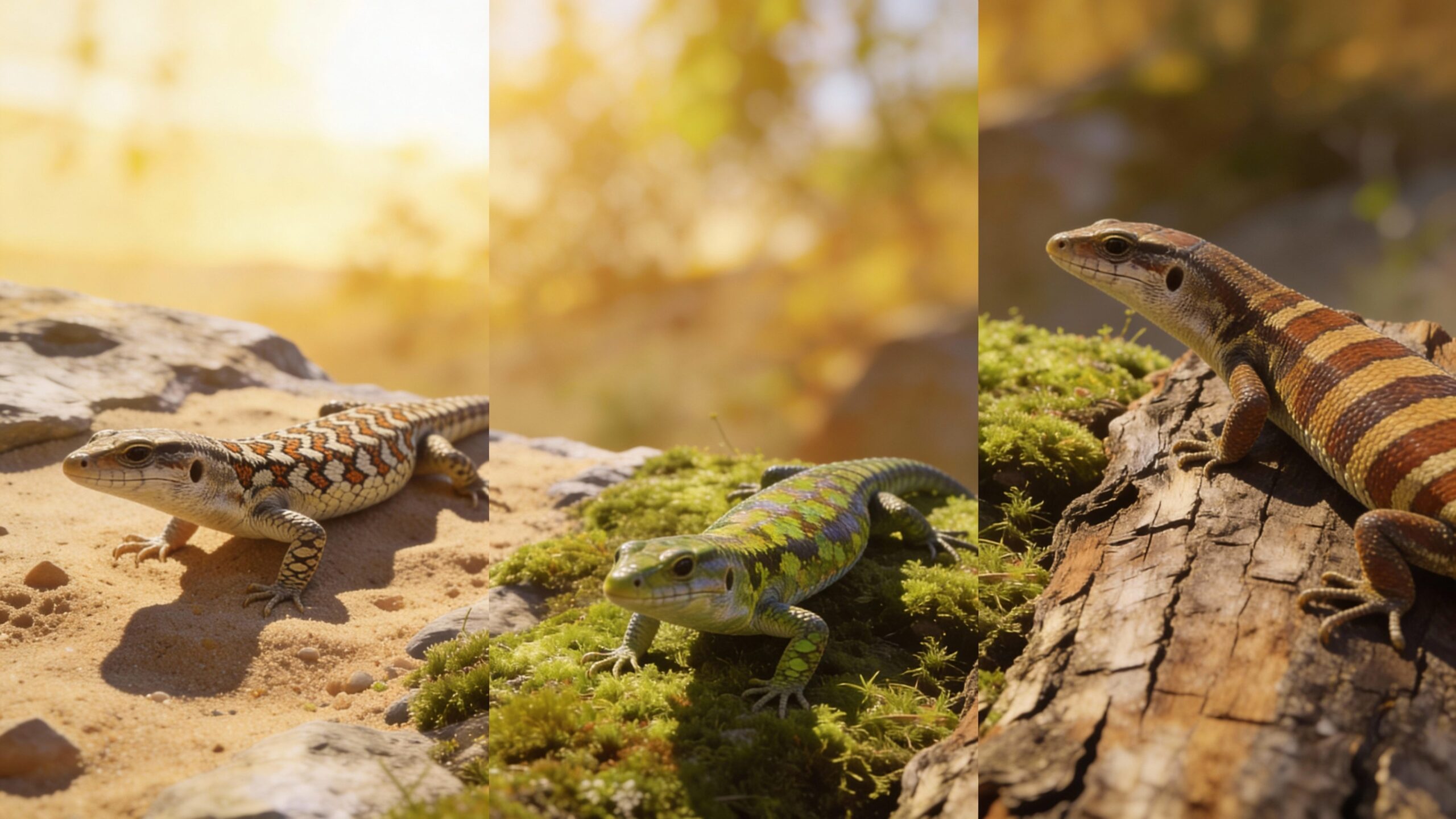
Welcome to Evolution & Variations—Creature-Street’s backstage pass to nature’s greatest remix. Every scale pattern, wing shape, venom blend, claw curve, and camouflage trick is a chapter in a long story written by pressure, chance, and time. This page gathers articles that explore how creatures change across generations, why populations look different from one region to the next, and how tiny genetic shifts can shape big survival advantages. Follow the trail from ancient ancestors to modern specialists: island giants and dwarfs, desert speedsters, deep-sea oddities, alpine survivors, and rainforest masters of disguise. You’ll meet look-alikes that aren’t related, relatives that evolved wildly different lifestyles, and creatures that break the “rules” with surprising adaptations. We’ll dive into natural selection, drift, mimicry, convergent evolution, and the subtle power of habitat—because evolution isn’t a straight line, it’s a branching map of experiments. If you’ve ever wondered why the same species can vary so much—or why different species can end up so similar—this is where it clicks.
A: Traits that help individuals leave more offspring become more common over many generations.
A: Different habitats, diets, climates, and isolation can push traits in different directions.
A: Unrelated species independently evolving similar features because they face similar challenges.
A: It makes them better suited to current conditions—tradeoffs and constraints are common.
A: Random chance changing which traits get passed on—especially in small populations.
A: When populations stop mixing (distance, timing, behavior), differences can build until they’re separate.
A: Not necessarily—morphs are variants within a species; species usually involve long-term isolation or distinct lineages.
A: Yes—strong pressures or rapid environmental change can shift traits in a surprisingly short time.
A: If a niche stays stable and the design works well, selection may favor consistency.
A: Compare habitat, coloration, size, and behavior across regions—patterns often match environment.