
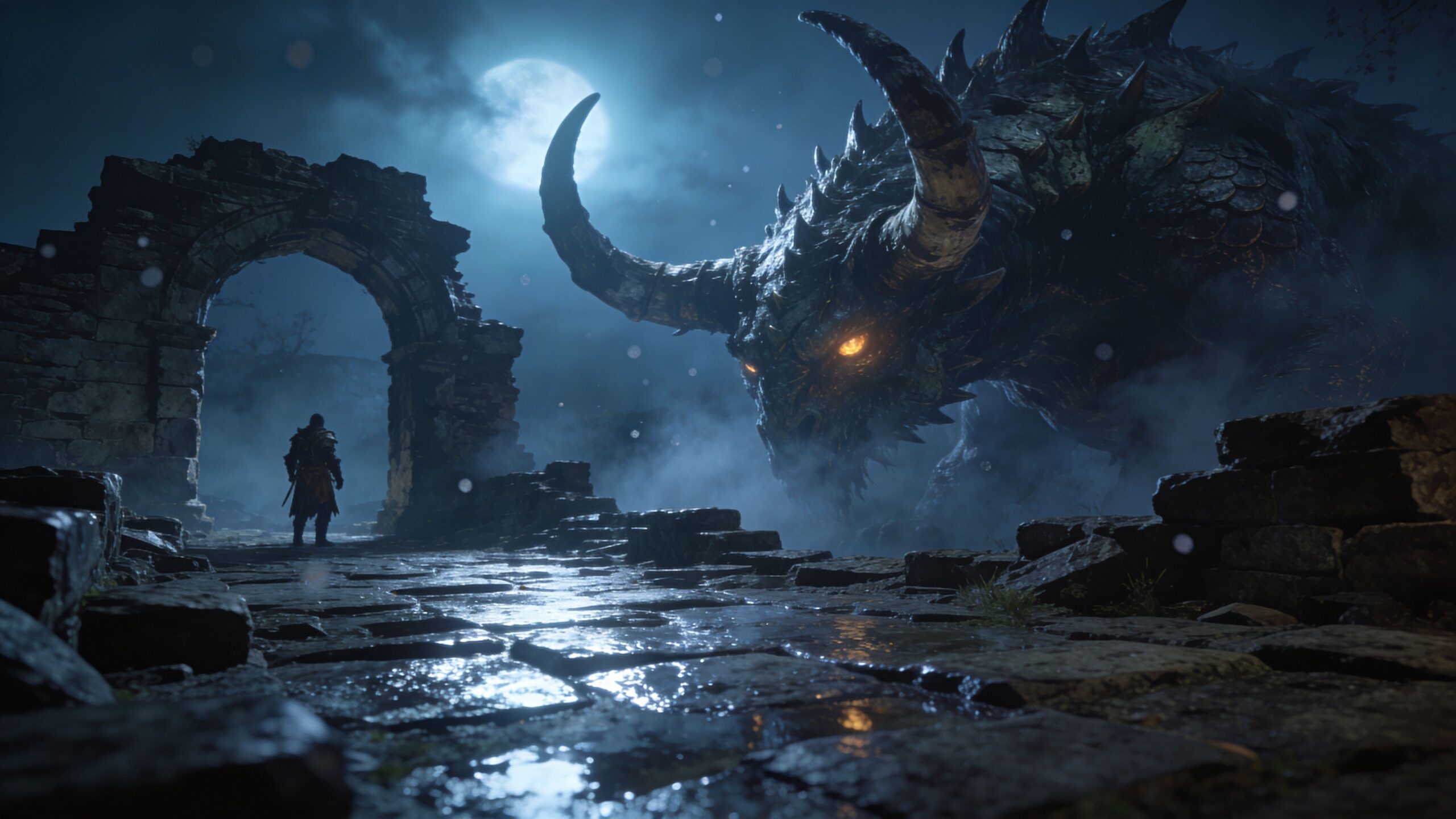
Games don’t just introduce creatures—they teach you how to feel about them. Creatures in Games explores the monsters you fear, the companions you protect, and the legendary bosses you study like puzzles before the first strike lands. Some are built for spectacle: titans that fill the screen, wings cutting through storm clouds, footsteps that shake the world. Others are intimate—tiny scouts, pets, mounts, and strange allies whose quirks become part of your story. What makes them unforgettable is design in motion: silhouettes that read at a glance, animations that suggest weight and intent, sound cues that warn you a second too late, and lore breadcrumbs that turn “enemy” into myth. This sub-category gathers articles that dive into creature roles across genres—RPGs, survival, strategy, horror, and beyond—plus the craft behind them: behavior trees, attack patterns, visual telegraphing, and the environmental storytelling that makes a lair feel inhabited. Whether a creature is a challenge, a friend, or a mystery, it’s a living system you learn—one encounter at a time.
A: Clear intent in animation, believable weight, responsive audio, and consistent rules for behavior.
A: To escalate challenge, refresh patterns, and turn the fight into a rising narrative.
A: Visual or audio cues that signal an incoming move so players can react skillfully.
A: High health can support longer pattern learning, but good design also provides weak points and counters.
A: Wildlife usually follows ecosystem logic; monsters often bend rules for drama or story.
A: Strong silhouettes, limited VFX clutter, consistent hit feedback, and distinct sound signatures.
A: Invisible collision zones that define where attacks land—accuracy builds player trust.
A: Look for clear silhouettes, readable attacks, consistent behavior rules, and a memorable signature sound.
A: Yes—horror leans into ambiguity, RPGs into identity and lore, strategy into clarity and roles.