
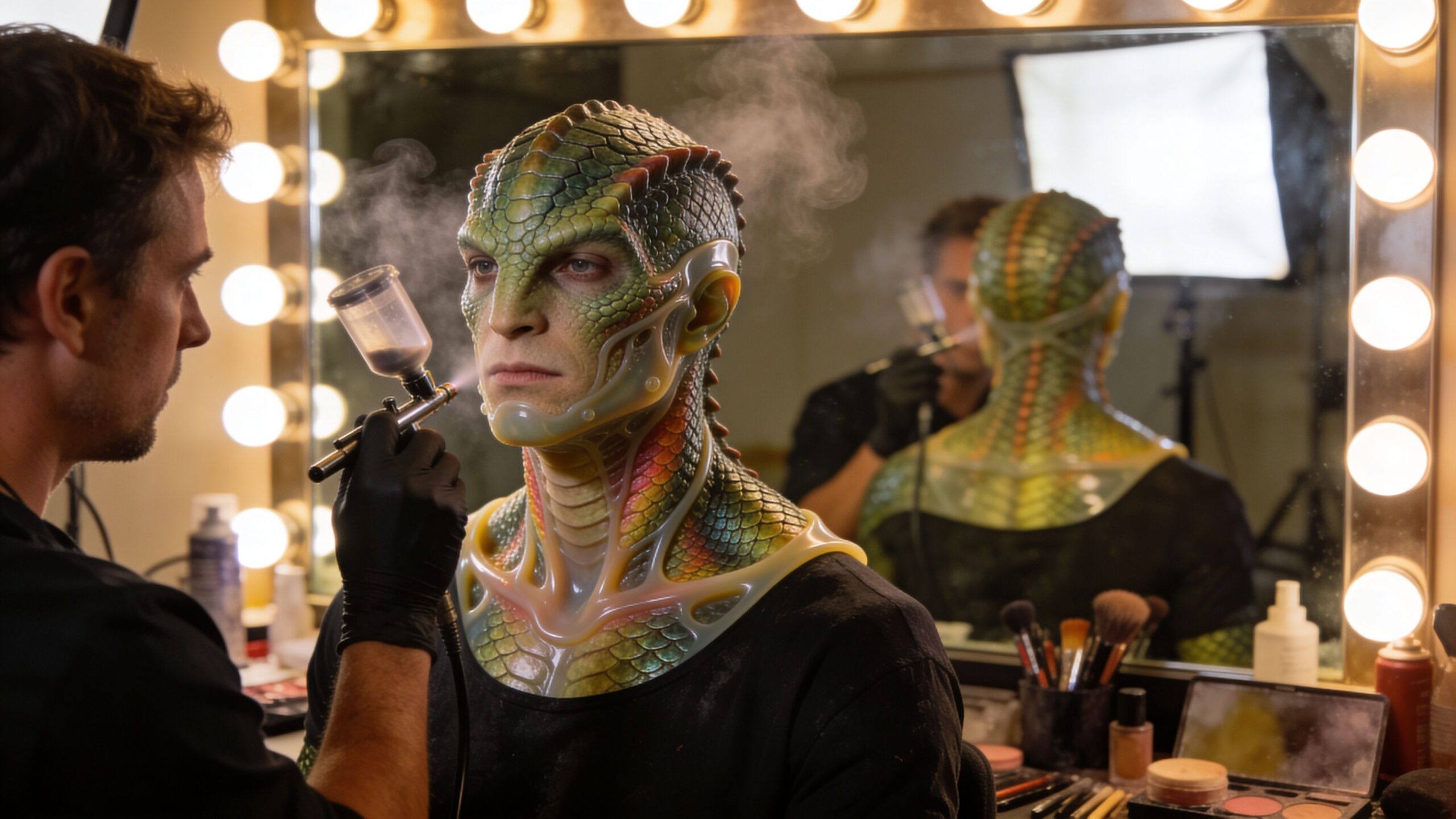
Television is where creatures move in with you. Creatures in Television explores the monsters, marvels, and misfits that slip through the screen and linger long after the credits—whether they’re weekly villains, secret companions, or season-long mysteries hiding in the dark. TV creatures are built for intimacy: you notice the twitch of an eyelid, the damp shine of scales, the breath that fogs in cold air. And because television lives on pacing, these beings often arrive in pieces—an unseen sound in a hallway, a shadow crossing a doorway, a claw mark on glass—until the full reveal lands. This sub-category gathers articles that dive into how TV makes creatures believable on tight timelines and changing budgets: prosthetics and makeup that hold up under close-ups, puppets and animatronics that sell weight, VFX that blend with practical textures, and sound design that makes a hallway feel alive. You’ll also explore creature storytelling—how episodes build lore, how rules stay consistent, and how a great creature becomes a character, not just a scare. Keep watching. Something’s about to step into frame.
A: Shadows boost suspense and help practical effects and VFX blend more convincingly.
A: Eye focus, subtle breathing, small facial motion, and consistent texture under stable lighting.
A: TV pacing uses anticipation—each glimpse raises stakes and keeps mystery alive.
A: Design bibles, continuity photos, reusable components, and signature movement and sound rules.
A: Reliable movement loops support tight schedules and build recognizable “habits.”
A: Look for clear silhouette, believable weight timing, and strong sound signatures.
A: Yes—comedy favors expressiveness, horror favors ambiguity, fantasy favors lore-rich iconography.
A: Inconsistent lighting or weightless motion—great TV creatures always feel grounded in the scene.