
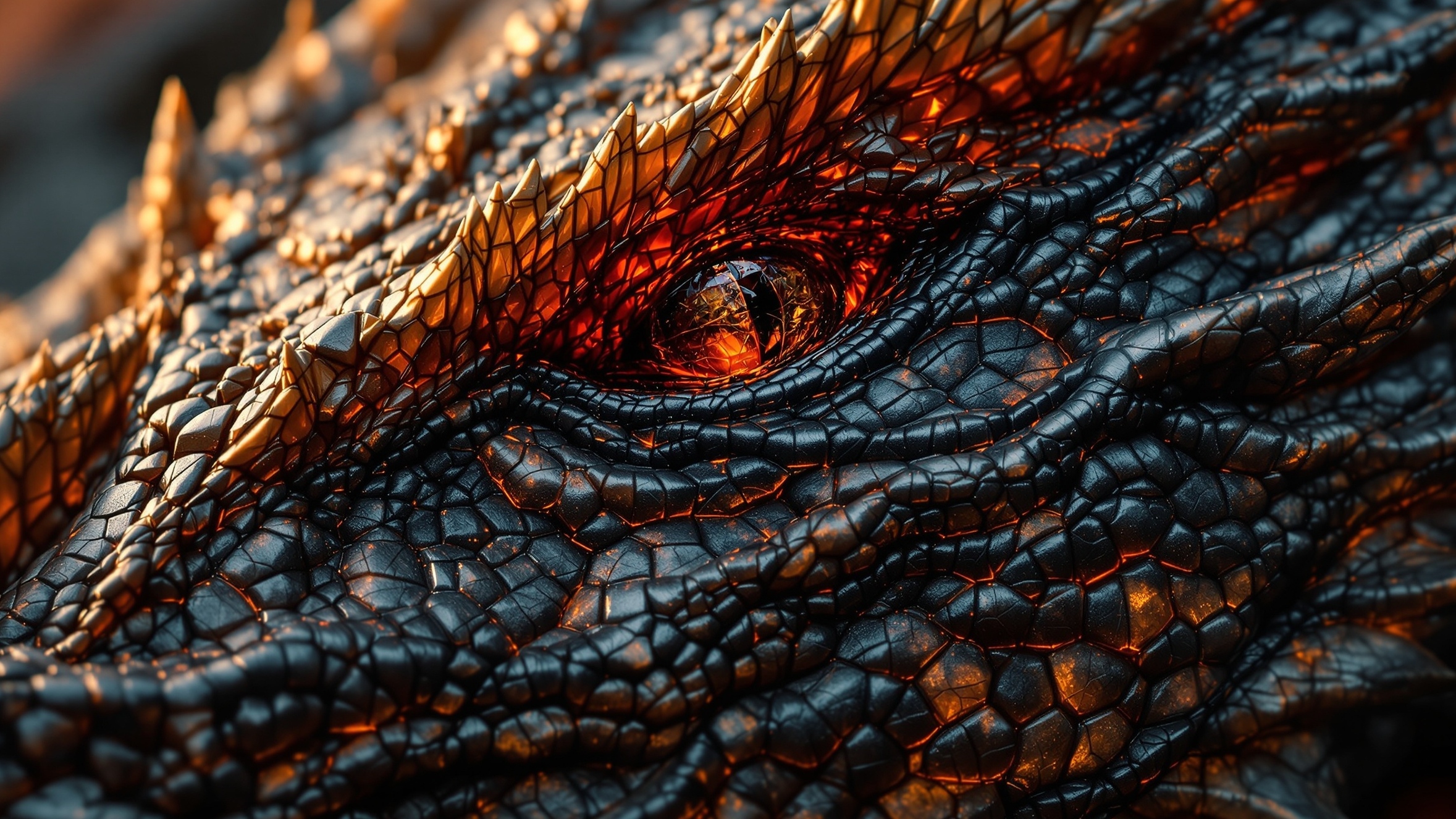
Skin is a creature’s first language—readable at a glance, packed with secrets up close. In Skin, Texture & Detail, Creature-Street zooms in on the surfaces that sell realism: cracked scales that flex at joints, velvet fur that catches light, feather edges that whisper motion, and armor plates scarred by survival. Texture isn’t decoration—it’s function. It can repel water, trap heat, hide a silhouette, warn predators, or signal dominance. This category explores how patterns, pores, ridges, sheen, and wear tell the story of habitat and behavior—mud-caked burrowers, salt-stained ocean hunters, frost-dusted mountain roamers, and night creatures built for shadow. You’ll find articles on camouflage logic, reflective iridescence, scar mapping, biofilms, spines, quills, slime coats, and all the little imperfections that make a creature feel alive. Whether you’re studying wildlife, designing monsters, building 3D models, or crafting cinematic visuals, this is where your creature stops looking “made” and starts looking real. Step closer—detail lives here.
A: Micro-texture—pores, tiny scratches, and imperfect edges.
A: Add overlap, variation, and softer skin at joints.
A: Uniform strands—real fur clumps, overlaps, and changes direction.
A: A little environmental wear (dust, mud, salt) makes it feel lived-in.
A: Reduce perfect shine—mix matte areas with subtle specular highlights.
A: Fading, scars, rough patches, and uneven coloration.
A: Yes—tie pattern placement to camouflage, warning, or display.
A: Layering, soft edges, and tiny misalignments.
A: Darkened color, stronger reflections, and moisture in creases.
A: Add subtle edge wear and texture variation—never perfectly uniform.
