
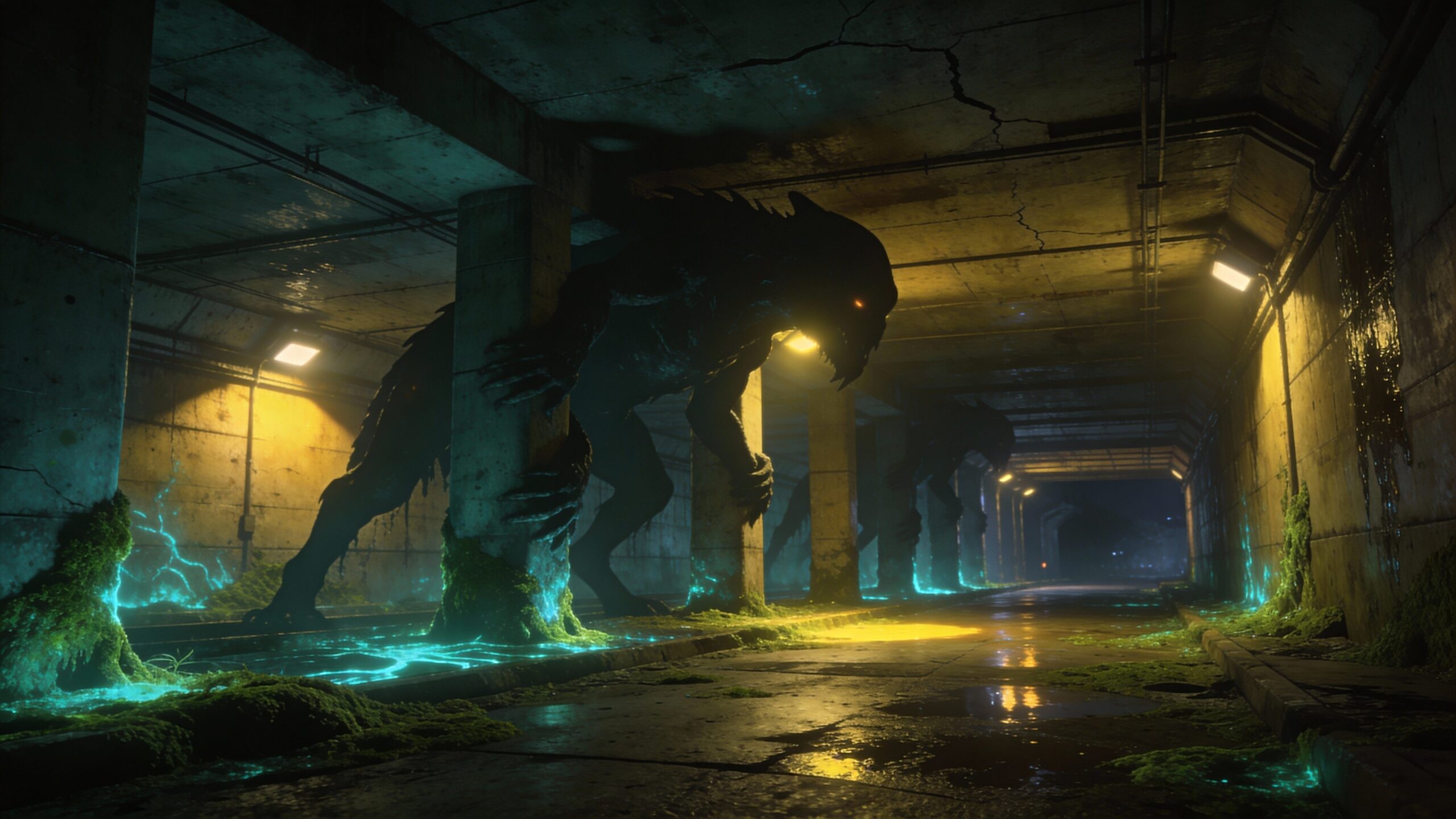
Welcome to Urban Creature Worlds, where the city you think you know hides an entirely different reality after dark. Beneath subway grates, across rooftop gardens, and inside forgotten alleys, creatures adapt, evolve, and thrive in environments shaped by steel, concrete, and constant motion. These are ecosystems born from pollution, artificial light, abandoned infrastructure, and human neglect—places where predators hunt along fire escapes and scavengers rule underground transit lines. Each article in this collection explores how creatures survive city life: how they move through tight spaces, feed among human waste streams, and camouflage themselves against brick, neon, and shadow. You’ll uncover urban myths rooted in biology, legends inspired by unexplained sightings, and speculative designs grounded in believable environmental pressures. Whether you’re fascinated by monster lore, creature design, or reimagined cityscapes, Urban Creature Worlds invites you to see streets, rooftops, and subways as living habitats—where civilization and the wild collide in unexpected and thrilling ways.
A: Treat them as locally consistent—rules matter more than explanations.
A: Edges: parks-to-streets, waterfronts, rail corridors, and service alleys.
A: It uses infrastructure—lights, vents, drains, rooftops—as part of its anatomy and habits.
A: Tie it to a job the city does: waste, transit, power, water, or nightlife.
A: Usually less is more—signals, mimicry, and patterns feel creepier than dialogue.
A: Bright open spaces, strong wind, disrupted routines, or “clean” zones with no cover.
A: Make them active when cities are loud—storms, traffic peaks, late-night cleanup.
A: Small repeats: missing items, odd tracks, lamp flickers, and consistent route habits.
A: Assign each to a district and a “resource” (heat, noise, light, trash, water).
A: Yes—shift danger to mystery: curious helpers, guardians, and mischief-makers.