
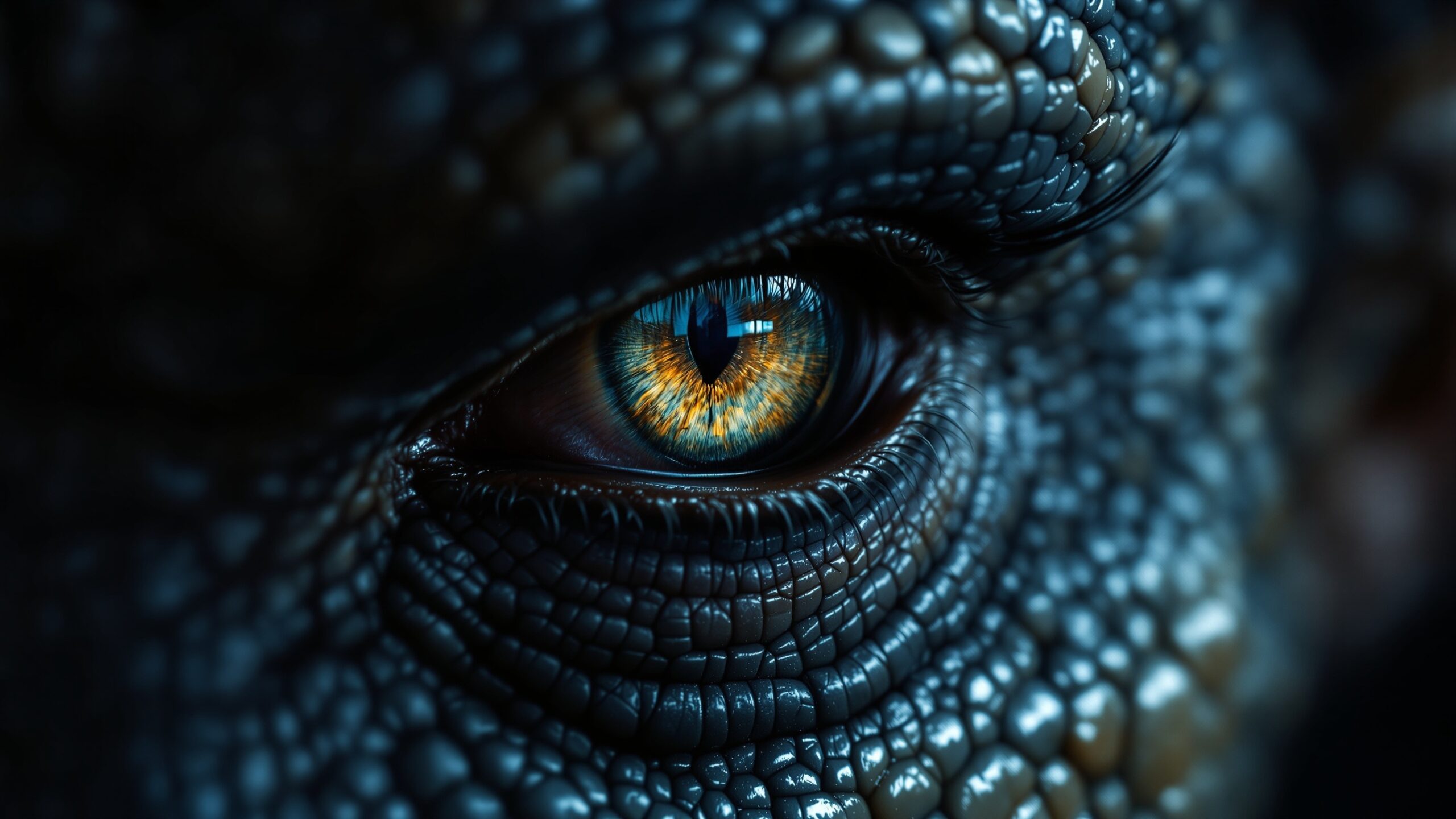
A creature’s face is its fastest story—read in a heartbeat, remembered for years. In Faces, Eyes & Expression, Creature-Street explores the features that create instant emotion: a predator’s locked stare, a wary side-glance, a confident lift of the brow ridge, or the subtle tension before a strike. Eyes aren’t just windows—they’re sensors, signals, and weapons of attention. Pupil shape, eyelid structure, reflective shine, and gaze direction can suggest night hunting, ambush tactics, curiosity, intelligence, or fear. And it’s not only eyes: jawline, snout length, facial plates, whiskers, horns, frills, and even skin folds around the mouth shape expression and personality. This category dives into how anatomy becomes communication—how creatures intimidate, charm, misdirect, bond, or warn without a single sound. Whether you’re studying wildlife behavior, designing believable monsters, modeling characters, or crafting cinematic close-ups, these articles help you build faces that feel alive. Step in close—this is where expression turns into presence.
A: Change gaze direction and eyelid shape—tiny tweaks, big effect.
A: Add focused eyes, subtle asymmetry, and calm, controlled posture.
A: Narrowed gaze, tense jawline, and forward-leaning head posture.
A: Add clear eye moisture, layered reflections, and a sharp focal point.
A: Yes—pupil shape and size strongly affect mood and realism.
A: Softer features, larger eyes, gentler angles, and relaxed mouth corners.
A: Add subtle scars, worn edges, cloudy highlights, and uneven textures.
A: Rim light catching eye shine and texture—instant drama.
A: Use one standout trait: crest shape, scar line, eye color, or markings.
A: Perfect symmetry and flat lighting—both erase personality.