
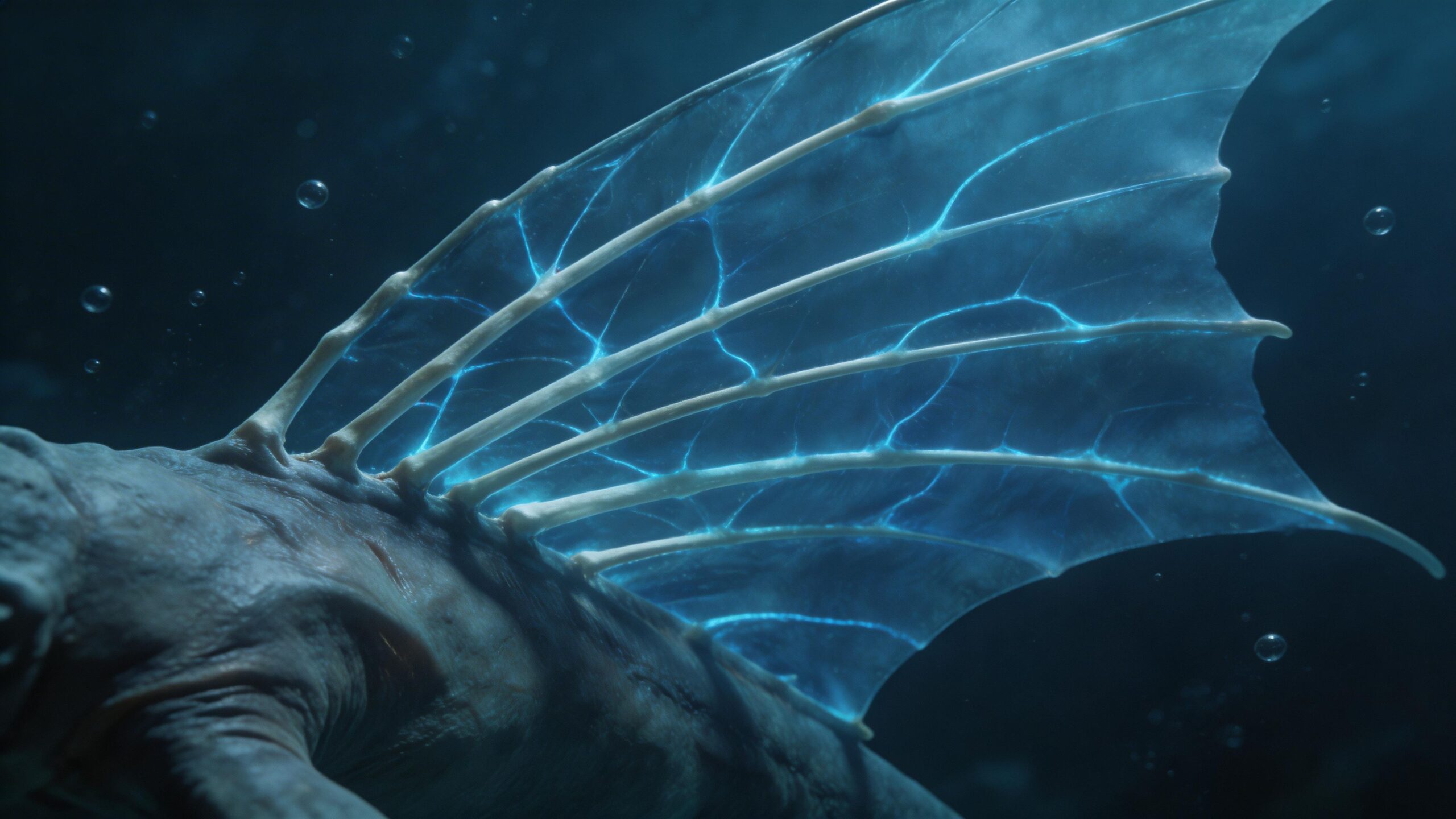
Legends don’t just look terrifying—they move in ways that defy expectation. A shadow crawler that bends its spine like liquid. A forest wraith that glides without wings. A desert titan that seems too heavy to run—until it does. On Creature-Street, “Hidden Movement Systems” uncovers the unseen mechanics that power cryptids and fantasy beasts from within. Beneath every scale, feather, and armored plate lies a system of tension, leverage, elasticity, and instinct. Some creatures coil with serpentine vertebrae built for silent constriction. Others rely on retractable claws, tendon-driven leaps, shock-absorbing pads, or membrane sails that catch wind and water alike. Even the supernatural follows structure—phase walkers ripple through air with vibrating musculature, and burrowers brace with reinforced rib cages designed for crushing pressure underground. This hub explores the anatomy behind the myth: how bodies distribute weight, generate force, absorb impact, and vanish into terrain. Because when you understand how a creature moves, you understand how it hunts, how it survives—and how to escape it.
A: Consistent anatomy, believable weight distribution, and logical joint motion.
A: Membranes, air sacs, or supernatural lift systems.
A: Padded limbs, controlled breathing, and slow-twitch muscle use.
A: Long limbs, elastic tendons, and forward-set posture.
A: Reinforced ribs and compact skeletal builds.
A: Webbing, streamlined bodies, and lateral tails.
A: Yes—hybrids may glide, climb, and sprint.
A: Give them visual rules and consistent effects.
A: Pre-movement cues build suspense and realism.
A: Show weight shift and ground interaction.