
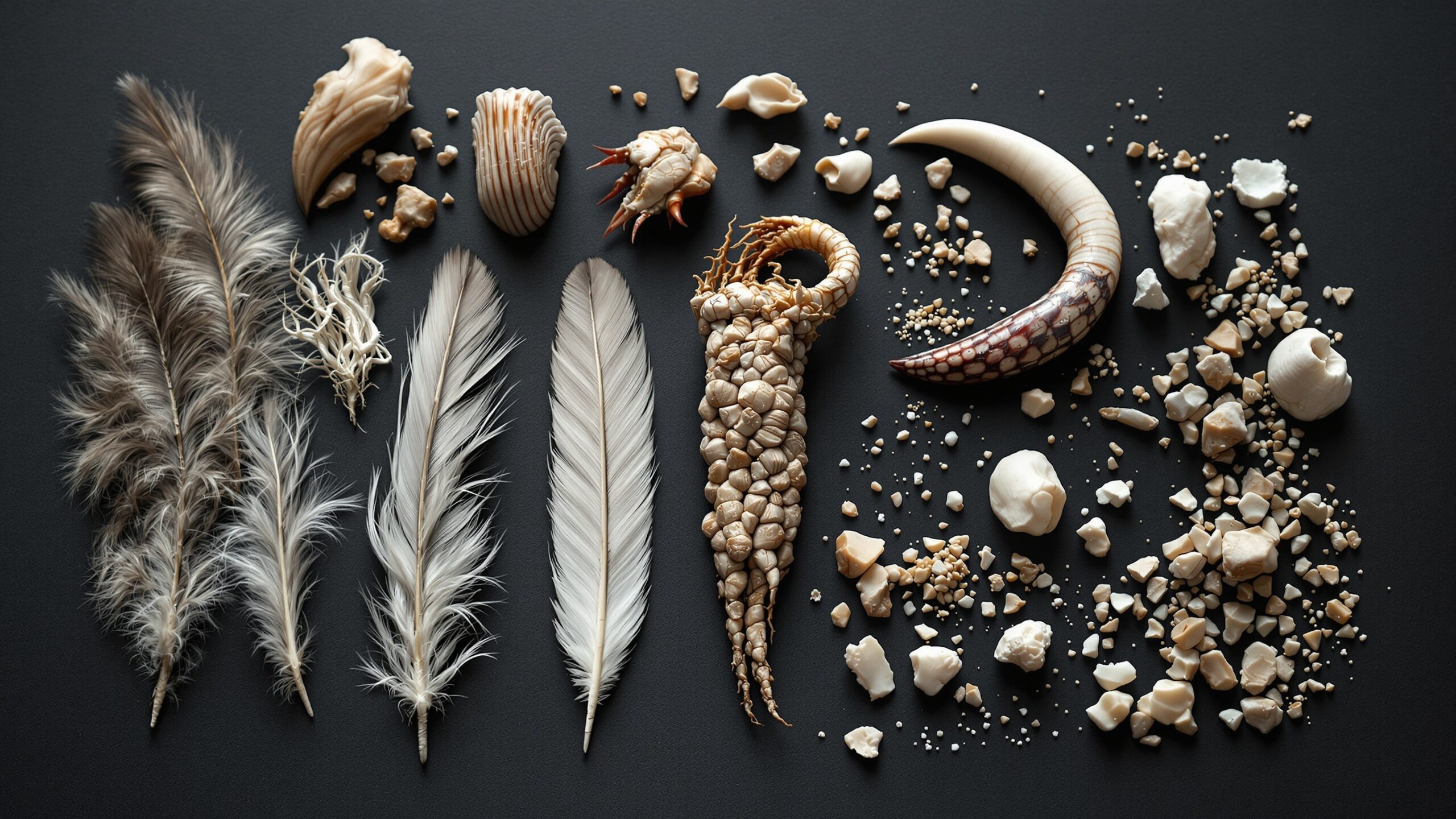
Welcome to Anatomy & Terms, the translation key for the creature world. If you’ve ever wondered what separates a talon from a claw, why some creatures have quills instead of spines, or how “cranial crests” and “armored scutes” change the way a beast looks and fights—this is where it all clicks. On Creature-Street, Anatomy & Terms turns creature language into something you can actually picture. We break down body structures, movement mechanics, senses, defenses, and the vocabulary used to describe everything from feather micro-texture to venom delivery systems. This category is built for curious readers, students, writers, artists, and worldbuilders who want their creature knowledge to feel sharp and confident. Real biology meets mythic imagination here: you’ll learn the words that scientists use for living animals, plus the storytelling terms that define legendary monsters—things like “guardian traits,” “aura effects,” “shapeshift tells,” and “lair markers.” The result is a toolkit you can use everywhere across CreaturePedia, Creature Types, Top 10’s, and beyond. Whether you’re scanning a creature profile or designing your own beast from scratch, Anatomy & Terms helps you describe it like you’ve seen it up close. Learn the language—then read the creature world like a map.
A: A reference category explaining creature body parts and the vocabulary used to describe them.
A: No—real biology terms and myth/fantasy terms are included together.
A: Yes—these definitions make profiles easier to read and compare.
A: Yes—gaits, flight mechanics, swimming motion, and more.
A: Absolutely—defenses and survival tools are a major focus.
A: Very—clear terms help you describe creatures accurately and vividly.
A: They can—this category helps translate different naming styles.
A: Venom is injected; poison harms when touched or eaten.
A: Use it as a quick lookup, then jump back into profiles and articles.
A: Yes—Anatomy & Terms grows as Creature-Street expands.