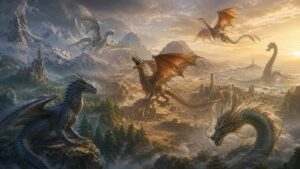
Mythical Creatures is Creature-Street’s gateway to the beings that haunt campfire tales, guard sacred places, and soar through the oldest imagination on Earth. Here, legends aren’t treated as simple monsters—they’re cultural fingerprints, shaped by landscapes, fears, hopes, and the human need to give the unknown a face. From storm-breathing dragons and cunning tricksters to sea-born leviathans, shadowy forest spirits, and radiant sky guardians, each article traces origins, meanings, and the symbols that made them endure. This sub-category dives into myth and legend with vivid storytelling, regional variations, and worldbuilding logic that helps each creature feel plausible. Explore anatomy and iconic silhouettes, learn what a creature’s movement says about its power, and see how textures, colors, and sounds amplify its presence. You’ll also uncover how myths evolve—borrowing from real animals, historic events, and shifting beliefs—while staying strangely timeless. Step inside Mythical Creatures and follow the trail of wonders that still whisper at the edge of every map. Whether you’re researching lore or building your own bestiary, this is your portal to legends made vivid and unforgettable.
A: A being from folklore, religion, or legend—often symbolic, rule-bound, and culturally specific.
A: Local landscapes, values, and history reshape details while keeping the core idea recognizable.
A: No—some traditions portray dragons as wise guardians, rain-bringers, or emblems of authority.
A: Through consistent rules: habitats, behaviors, taboos, bargains, and consequences.
A: Often from sacred symbols, common materials, or moral lessons tied to the culture.
A: Usually intent—guardians protect something; monsters threaten indiscriminately (until a story flips it).
A: Darkness, storms, and unknown depths naturally fuel fear and imagination.
A: Constantly—features are often stitched from familiar creatures into something unforgettable.
A: Begin with a creature you already know, then follow linked variants and regional cousins.
A: Yes—use the “rules” approach: habitat, behavior, symbolism, and a clear price for breaking them.