
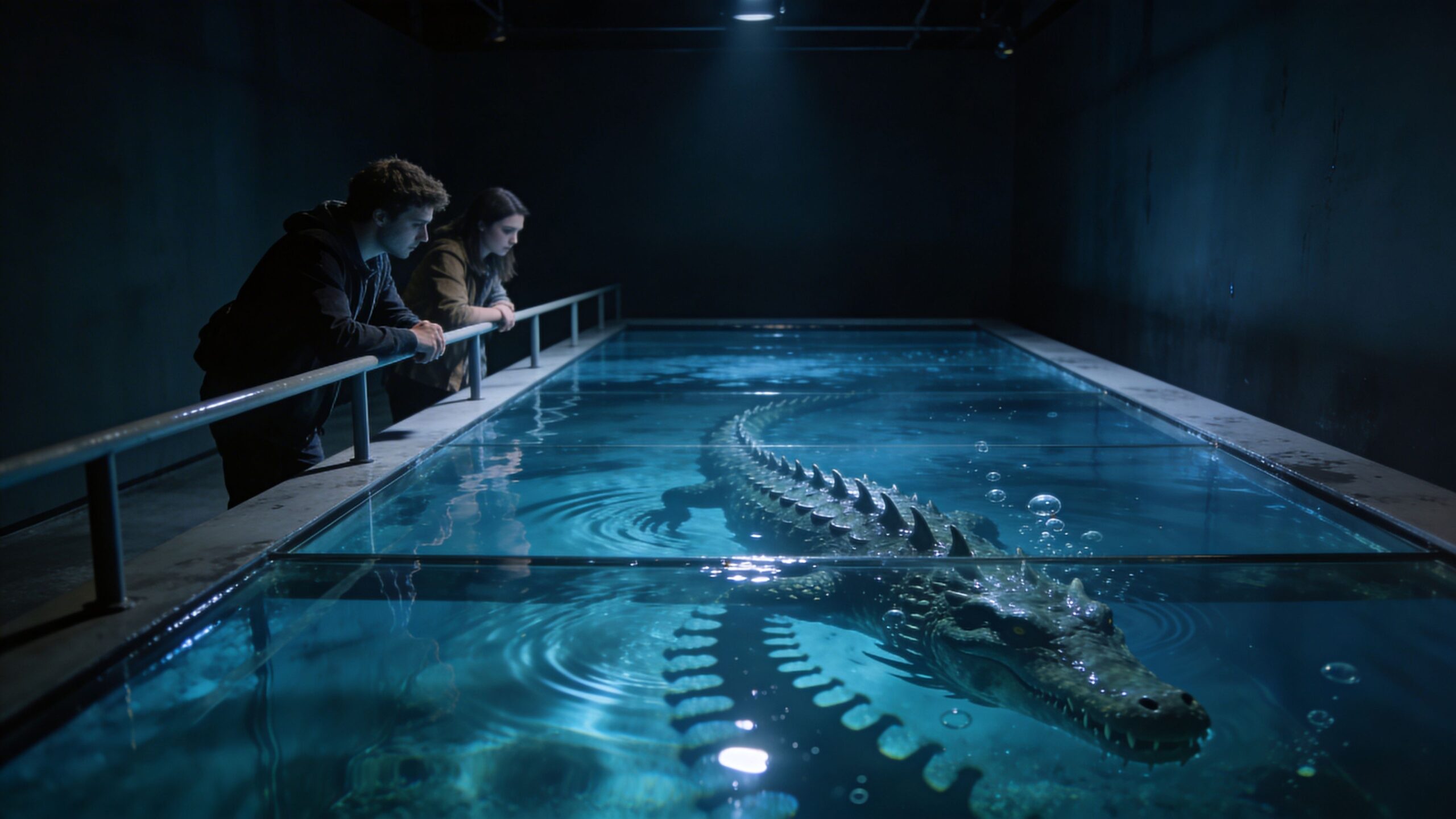
Welcome to Immersive Creature Installations, where cryptids and mythic beasts aren’t just displayed—they’re staged like living myths you can walk around, listen to, and almost believe. This Creature-Street category spotlights pop-up rooms, gallery-scale builds, traveling exhibits, and themed environments that use light, sound, fog, texture, and clever perspective to make the unknown feel physically present. Think towering shadow-beasts behind scrims, dragon ribs arching over a corridor, a “lake monster” suggested by ripples under glass, or a fae doorway humming with quiet menace. These installations thrive on controlled reveals: you’re guided by atmosphere first, then evidence—claw marks, shed scales, footprint casts, and artifacts that feel like they were collected yesterday. We’ll explore how creators design scale, movement, and believable wear, plus the storytelling tricks that separate a Halloween prop from a world-class illusion. Whether you love the artistry, the adrenaline, or the folklore itself, these articles help you decode what you’re seeing and discover new installations worth chasing. Step closer. The room is watching back.
A: A designed space where lighting, sound, and set builds place you “inside” a creature story, not just viewing it.
A: Some are; others focus on wonder. Tone is usually signaled by lighting, audio intensity, and pacing.
A: Most present “evidence” as themed storytelling—part of the experience, not a claim.
A: Often yes, but no flash—wide atmosphere shots work best and keep effects believable.
A: Scale cues, realistic wear, controlled reveals, and motion that suggests real weight and breath.
A: Comfortable shoes and layers—many spaces are dark, cool, and designed for slow walking.
A: Many are; look for route notes, ramp info, and whether narrow corridors are avoidable.
A: Often 15–45 minutes, depending on rooms, crowd flow, and whether there’s guided narration.
A: Animatronics repeat precisely; puppetry feels organic—top installations combine both.
A: Move slowly, notice artifacts and textures, and let the world imply answers instead of demanding them.