Why Size Is the Foundation of Creature Design
Creature design often begins with shape and silhouette, but size is what gives that form meaning. The scale of a creature influences how it moves, how it interacts with its environment, and how audiences perceive it. A towering giant evokes awe and fear, while a small, fast-moving creature creates tension and unpredictability. Without intentional size decisions, even the most detailed design can feel disconnected or unrealistic. Size also acts as a storytelling tool. It communicates dominance, vulnerability, and ecological role at a glance. A massive creature dominating the skyline suggests power and control, while a small, elusive form hints at survival through agility or stealth. Designers who understand scale are able to create creatures that feel grounded in their worlds rather than simply existing within them.
A: Start with environment, role, and behavior.
A: Yes, but maintain internal consistency.
A: It ensures balance and believability.
A: Use references like humans or objects.
A: Generally yes due to mass.
A: Emphasize speed and behavior.
A: Ignoring environment and movement.
A: Use it as a guide, not a rule.
A: Study real-world references.
A: Absolutely, it shapes perception and emotion.
Understanding Size, Scale, and Proportion
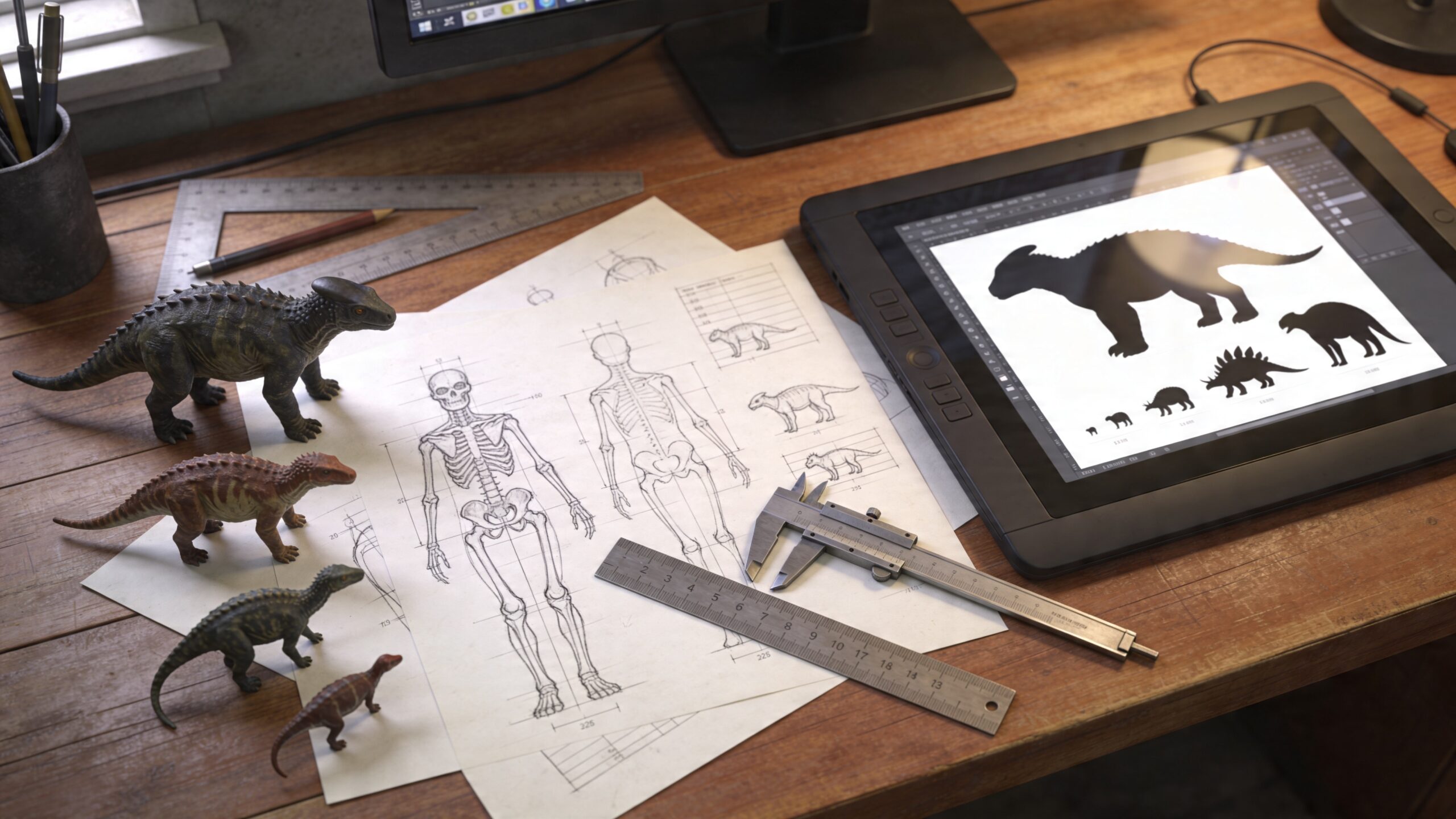
Size refers to the absolute dimensions of a creature, while scale describes how that size relates to other objects or beings in its environment. Proportion, on the other hand, governs the internal relationships within the creature’s body, such as limb length, head size, and body mass. These three elements must work together to achieve believability.
A creature may be enormous, but if its proportions do not support its size, it will feel visually inconsistent. Likewise, a well-proportioned creature can still feel unrealistic if its scale does not align with its surroundings. Successful designs integrate all three elements so that the creature’s size feels intentional and cohesive within its world.
The Role of Environment in Determining Size
One of the most important factors in deciding how big a creature should be is its environment. Dense forests, open plains, deep oceans, and urban settings all impose different constraints and opportunities. A large creature may thrive in open terrain but struggle in confined spaces, while smaller creatures may excel in environments filled with obstacles and hiding places. Environmental scale also affects how the creature is perceived. A moderately sized creature can feel massive if placed in a tight environment, while even a giant can appear smaller when surrounded by vast landscapes. Designers must consider not just the creature itself, but the space it inhabits and how that space reinforces its presence.
Biological Limits and Realistic Scaling
Real-world biology offers valuable guidance when determining creature size. As creatures grow larger, their weight increases faster than their structural strength, a principle often referred to as the square-cube relationship. This means that extremely large creatures require thicker limbs, stronger bones, and slower movement to remain believable.
Ignoring these constraints can result in designs that feel disconnected from reality. However, understanding them allows designers to bend or break the rules intentionally. By incorporating visual cues such as reinforced limbs or grounded movement, even fantastical creatures can feel plausible within their worlds.
Designing Giant Creatures That Feel Real
Large creatures carry a sense of spectacle, but they also present unique challenges. Movement becomes slower and more deliberate, and every action must convey weight. A giant creature should not feel like a scaled-up version of a smaller one; it should behave differently, with motions that reflect its mass and inertia. Visual storytelling plays a key role in reinforcing scale. Dust clouds, environmental destruction, and delayed reactions can all emphasize size. Even subtle details, such as how the ground responds to each step, help communicate the creature’s presence. The goal is not just to make the creature big, but to make it feel big in every aspect of its design.
Crafting Small Creatures With Big Impact
Small creatures often rely on speed, agility, and unpredictability rather than sheer power. Their size allows them to navigate spaces that larger creatures cannot, making them ideal for stealth-based or swarm-like behaviors. Despite their scale, they can still feel significant through clever design choices.
Detail and contrast are essential when working with smaller creatures. Placing them alongside larger elements or using close-up perspectives can enhance their presence. Designers can also emphasize unique features, such as intricate textures or exaggerated movements, to ensure that small creatures remain visually engaging.
Proportion as a Tool for Personality
Proportion is not just about realism; it is also a powerful tool for conveying character. Creatures with oversized heads may appear more expressive or intelligent, while those with elongated limbs can feel agile or predatory. Subtle adjustments to proportion can dramatically change how a creature is perceived. Stylization often involves pushing proportions beyond realistic limits while maintaining internal consistency. The key is to ensure that the exaggerated elements still support the creature’s function and behavior. When done correctly, proportion becomes a storytelling device that enhances both realism and creativity.
Movement and Scale: Designing for Motion
The way a creature moves is directly tied to its size. Larger creatures tend to have slower, more deliberate motions, while smaller ones can move quickly and unpredictably. Designing movement that aligns with scale is essential for maintaining believability.
Weight distribution, joint placement, and muscle structure all influence how a creature moves. A large creature with thin limbs may appear fragile, while one with thick, sturdy legs will feel more grounded. By considering movement early in the design process, creators can ensure that their creatures feel cohesive and realistic.
Scale Relationships Between Creatures and Humans
Human figures are often used as a reference point for scale because they provide an immediate sense of familiarity. Placing a creature next to a human can instantly communicate its size and impact. This relationship is particularly important in storytelling, where audience perception plays a central role. Designers can manipulate this relationship to create different emotional responses. A creature slightly larger than a human may feel threatening, while one that dwarfs entire structures can evoke awe or fear. Understanding how scale affects perception allows creators to craft more engaging and memorable designs.
Using Perspective to Enhance Size
Perspective is one of the most effective tools for conveying scale. Low angles can make creatures appear larger and more imposing, while high angles can diminish their presence. Composition, lighting, and depth of field all contribute to how size is perceived.
Foreground elements, such as trees or buildings, can provide context and reinforce scale. By carefully arranging these elements, designers can create scenes that emphasize the creature’s size without relying solely on measurements. The result is a more immersive and visually compelling experience.
Balancing Realism and Creative Freedom
While realism provides a strong foundation, creature design also thrives on imagination. Designers are not limited by real-world constraints, but understanding those constraints allows them to break the rules more effectively. The balance between realism and creativity is what makes creature design both challenging and rewarding. Some worlds may call for strict adherence to biological principles, while others embrace exaggerated or surreal designs. The key is consistency. Even the most fantastical creatures should follow the internal logic of their world, ensuring that their size and scale feel intentional rather than arbitrary.
Common Mistakes in Creature Scaling
One of the most common mistakes is treating size as an afterthought. Without careful planning, creatures can end up feeling disconnected from their environment or inconsistent in their proportions. Another issue is ignoring movement, resulting in designs that look impressive but fail to function realistically.
Overcomplicating scale relationships can also create confusion. Designers should aim for clarity, ensuring that the creature’s size is easily understood within its context. By focusing on simplicity and coherence, they can avoid many of the pitfalls associated with scaling.
Practical Steps to Determine Creature Size
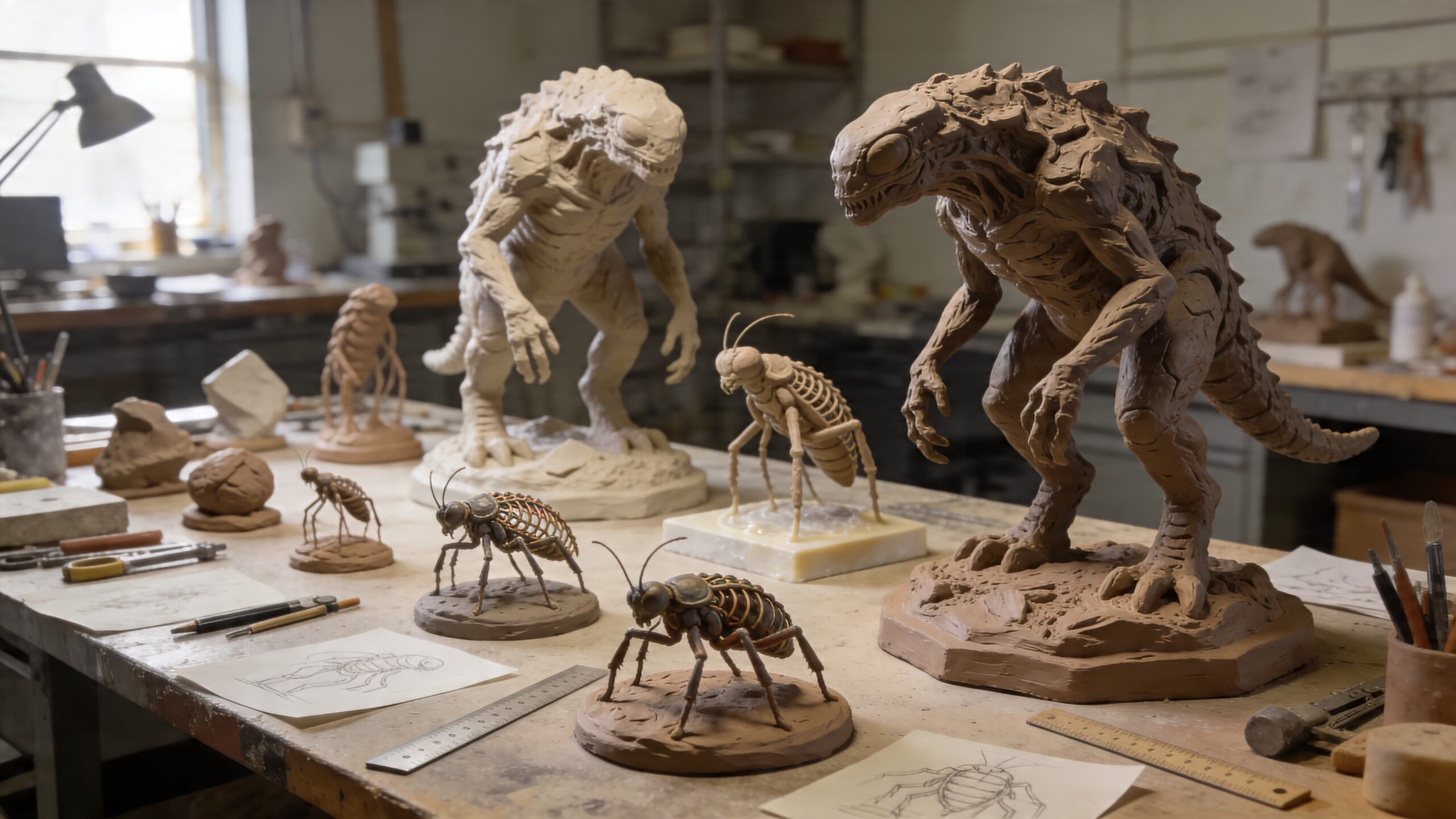
Determining the right size for a creature involves considering its role, environment, and behavior. Designers often begin with a rough concept and refine it through iteration, adjusting scale and proportion until the creature feels balanced. Reference materials, such as real-world animals and architectural elements, can provide valuable guidance. Testing the creature in different scenarios is also important. Placing it in various environments or alongside other objects can reveal inconsistencies and help refine its scale. This iterative process ensures that the final design is both visually compelling and logically sound.
The Future of Scale in Creature Design
Advancements in technology continue to expand the possibilities of creature design. Digital tools allow for precise scaling, realistic simulations, and dynamic environments that enhance the sense of size. As these tools evolve, designers have more opportunities to experiment with scale in innovative ways.
Despite these advancements, the core principles of size, scale, and proportion remain unchanged. Understanding these fundamentals is essential for creating creatures that resonate with audiences. Whether working in traditional media or cutting-edge digital platforms, designers who master scale will always have a strong foundation for their work.
Conclusion: Finding the Perfect Size
Choosing the right size for a creature is both an art and a science. It requires a deep understanding of scale, proportion, and environmental context, as well as a willingness to experiment and refine. The most successful designs are those that feel cohesive, believable, and purposeful. Ultimately, the question of how big a creature should be does not have a single answer. It depends on the story being told, the world being built, and the experience being created. By mastering the principles of size and scale, designers can bring their creatures to life in ways that captivate and inspire.