Why Fantasy Beasts Still Captivate the Human Imagination
Fantasy beasts have never belonged to one age, one culture, or one kind of story. They appear in ancient myth, medieval legend, folktales passed by firelight, epic poems, modern novels, blockbuster films, games, and artwork from nearly every corner of the world. Long before audiences had digital worlds to explore, they already had dragons in mountain caves, sea serpents below black waves, and winged guardians watching forgotten temples. These creatures endure because they speak to something permanent in human imagination: the desire to give shape to mystery, danger, beauty, and power. At their best, fantasy beasts are not just decorations inside a story. They carry emotional weight. A dragon can represent greed, wisdom, destruction, sovereignty, or raw untamable nature. A phoenix can stand for rebirth after ruin. A unicorn can symbolize purity, rarity, and wonder. Even monstrous beings often reveal something deeply human, whether it is fear of the unknown, fascination with transformation, or respect for forces greater than ourselves. That is why fantasy beasts continue to thrive. They are thrilling on the surface, but they also function as symbols, myths, and mirrors.
A: A fantasy beast is an imagined creature from myth, folklore, or invented fantasy worlds.
A: They overlap, but fantasy beasts also include modern creatures invented for fiction.
A: They combine scale, danger, intelligence, symbolism, and visual drama better than almost any other beast.
A: Strong design, clear symbolism, and a meaningful role in the story make it memorable.
A: No, many are noble, protective, wise, or simply powerful forces of nature.
A: The ocean’s danger and mystery naturally inspired stories about immense hidden creatures.
A: It is a creature formed by combining traits from multiple animals or supernatural beings.
A: They create suspense through disguise, uncertainty, and constantly shifting identity.
A: Yes, because classic beasts provide instant mythic power and can be reimagined in fresh ways.
A: They often symbolize fear, wonder, nature, power, transformation, or the unknown.
Where Fantasy Beasts Come From
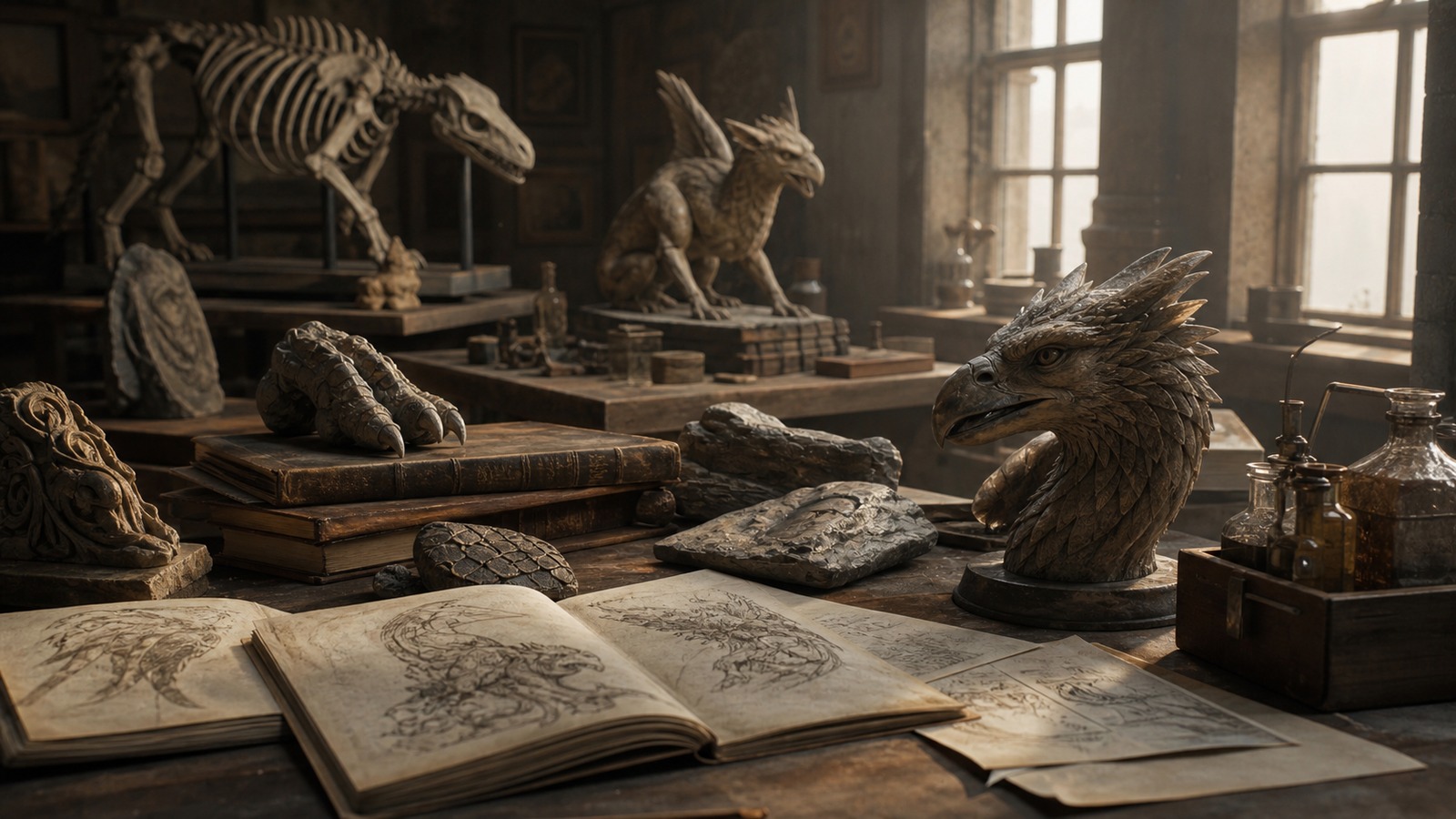
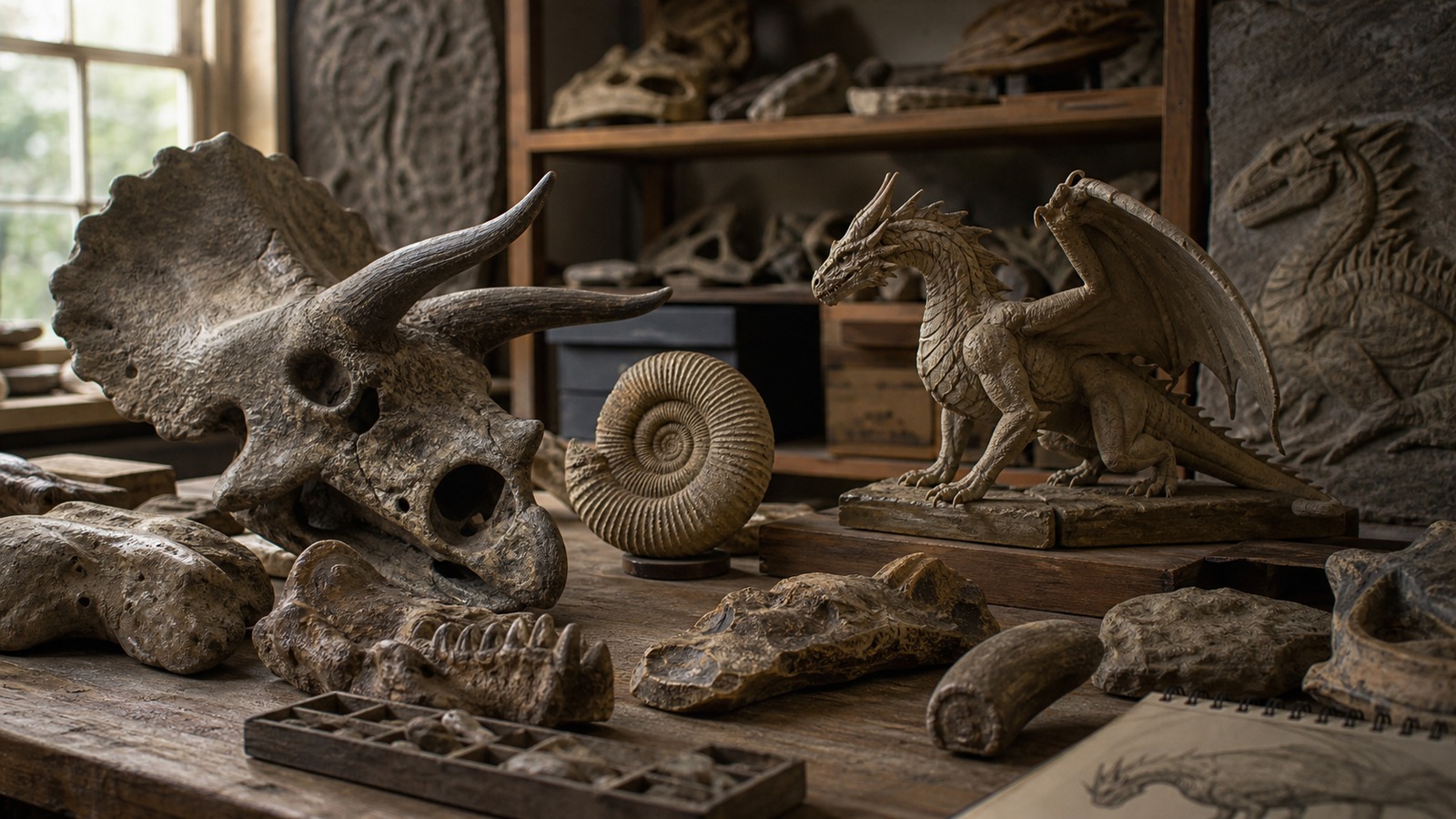
The origins of fantasy beasts stretch back into the oldest layers of storytelling. In many early societies, people used legends to explain natural events, dangerous landscapes, unfamiliar animals, and the hidden workings of the world. When storms destroyed ships, sea monsters offered a vivid explanation. When fossils emerged from the ground, giant beasts seemed possible. When wilderness felt vast and hostile, tales of creatures guarding forests, caves, lakes, and mountain passes helped turn chaos into narrative.
Many fantasy beasts also grew from the blending of cultures. As trade routes expanded and travelers carried stories across continents, creatures changed and evolved. A serpent in one region might become a dragon in another. A local guardian spirit could merge with an invading culture’s mythology and emerge as a new hybrid being. Over time, storytellers added detail, meaning, and spectacle, turning folklore into legend and legend into full fantasy tradition. That process never truly stopped. Even now, modern fantasy creators continue reshaping older beasts into something fresh while preserving their primal appeal.
The Difference Between Mythical Creatures and Fantasy Beasts
Although the terms are often used interchangeably, mythical creatures and fantasy beasts are not always exactly the same. Mythical creatures usually come from traditional belief systems, folklore, religion, or ancient storytelling. They are rooted in a cultural worldview and often carry symbolic or spiritual meaning. Fantasy beasts, by contrast, include those inherited mythical creatures but also expand into imaginative species invented for fictional worlds, novels, games, and modern fantasy settings. That difference matters because fantasy as a genre takes inspiration from myth but is not limited by it. A basilisk from old legend may appear beside a newly invented sky predator in a modern fantasy universe, and both can feel equally authentic within the world of the story. Fantasy beasts therefore form a larger category. They include ancient beings with centuries of history and original creations designed to fit new worlds, new fears, and new forms of wonder. Together, they create a bestiary of imagination that continues to grow.
Dragons and Why They Rule the Genre
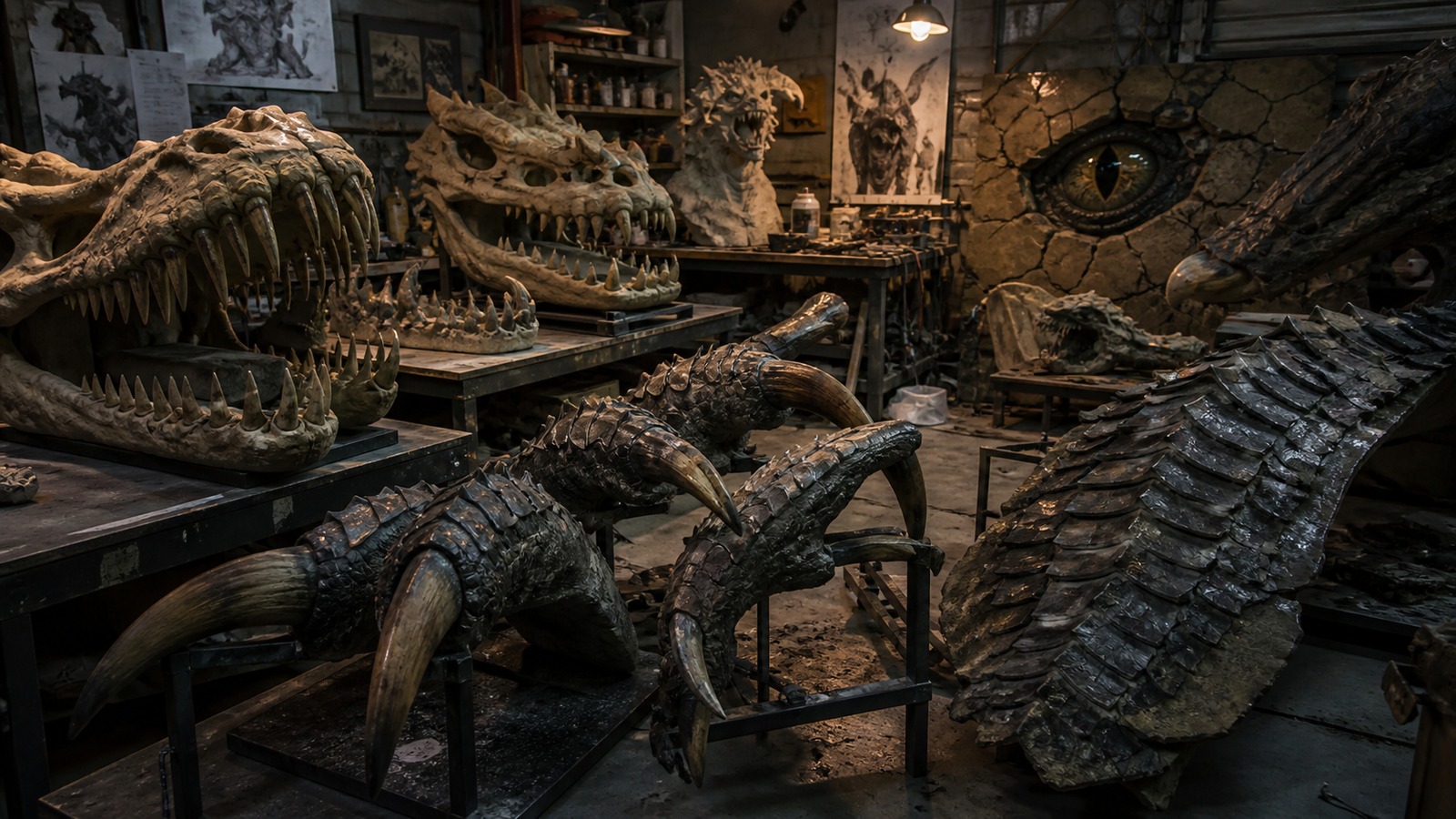
No discussion of fantasy beasts is complete without dragons. They are arguably the most dominant and versatile creatures in all fantasy storytelling. Across cultures, dragons appear as symbols of destruction, majesty, wisdom, treasure, empire, and primal force. Western dragons are often winged, fire-breathing, and devastating in battle. Eastern dragons are frequently more serpentine, celestial, and tied to water, weather, fortune, or divine order. Both forms remain powerful because they embody scale. A dragon is never just another animal. It feels like an event.
What makes dragons so enduring is their range. They can be villains, gods, mentors, protectors, rulers, or forces of nature. Their abilities vary wildly, which makes them adaptable to nearly any fantasy world. Some breathe fire. Others command ice, lightning, poison, or magic. Some sleep on treasure, while others guard ancient truths. Their intelligence is often as important as their strength, giving them a presence that goes far beyond brute force. In fantasy, a dragon is not only dangerous because it is powerful. It is dangerous because it understands exactly how powerful it is.
Birds, Beasts, and Creatures of the Sky
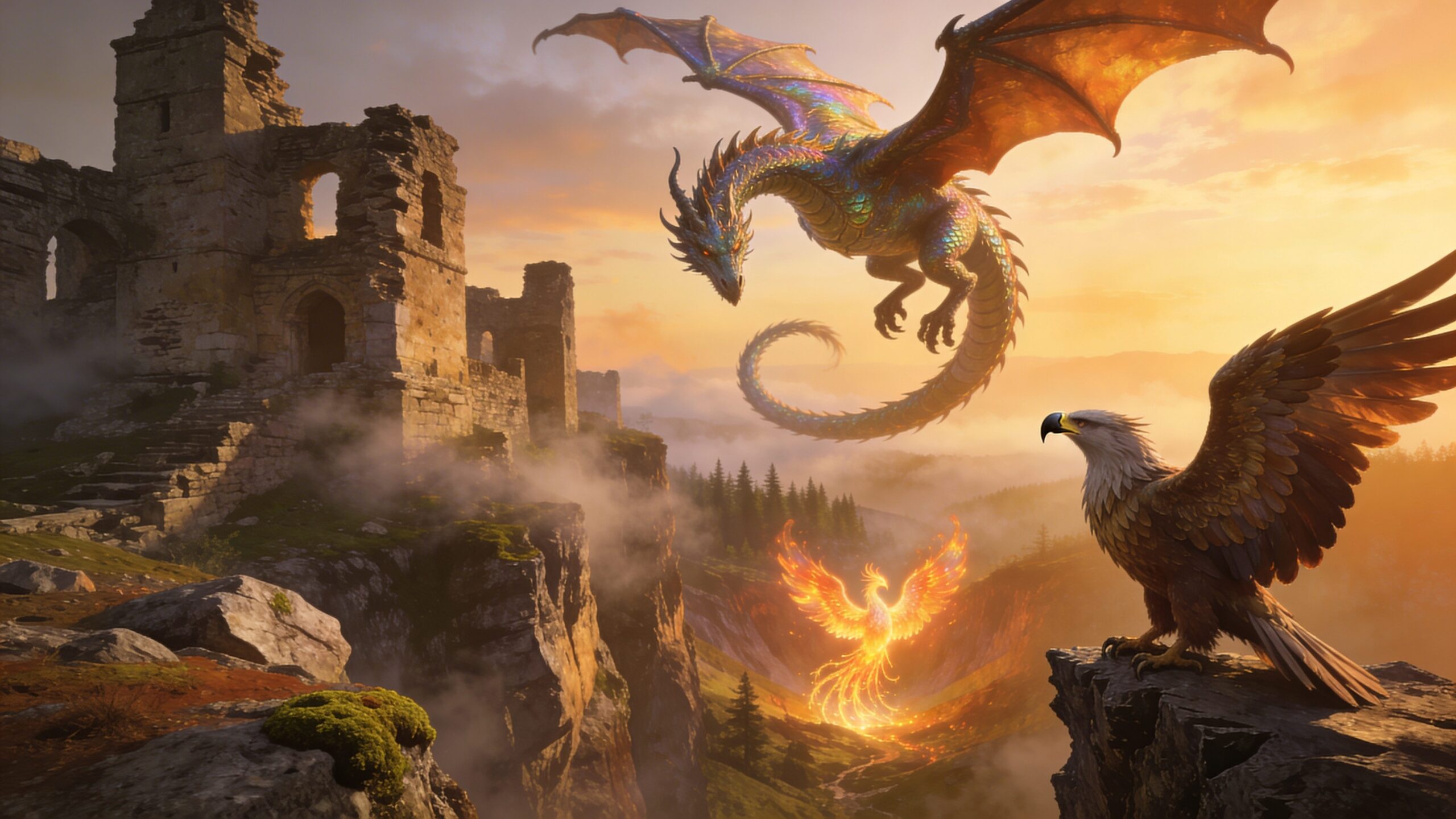
Winged fantasy beasts occupy a special place in legend because flight has always felt close to the divine. Griffins, phoenixes, thunderbirds, roc-like giants, and celestial birds all represent elevation in one form or another. They are less tied to the ground than dragons and often feel more symbolic, even when they are physically formidable. A griffin blends the lion and eagle, two animals long associated with nobility and dominance, making it a natural emblem of guardianship and command. It looks regal, but it is also built to destroy. The phoenix belongs to a different category of power. It is not defined mainly by predation or dominance, but by its cycle of destruction and renewal. It dies in flame and rises again, becoming one of the clearest symbols of rebirth in fantasy tradition. This gives the phoenix emotional weight that many other creatures do not possess. It is powerful not because it conquers others, but because it cannot be ended in the usual way. Other winged beasts occupy the space between terror and beauty, but all of them inherit one essential quality from the sky itself: freedom mixed with awe.
Creatures of the Sea and the Fear of Depth
If the sky inspired dreams of freedom, the sea inspired fear of the unknown. That is why marine fantasy beasts are often among the largest and most unsettling creatures in legend. Sea serpents, leviathans, krakens, abyssal horrors, and tidal guardians emerge from a place humans have never fully conquered. Even now, the ocean retains an air of secrecy, which makes it the perfect home for gigantic and ancient beings.
Sea creatures in fantasy often symbolize what lies beyond control. A storm can destroy a fleet without warning, and a leviathan rising from dark water turns that fear into a face. These beasts do not need castles or thrones. The ocean itself is their kingdom. Many are imagined as ancient, patient, and immeasurably vast, less like animals and more like living catastrophes. That sense of scale is part of what makes them so effective in storytelling. A sea beast does not merely attack. It transforms the entire environment into a threat.
Beasts of Forest, Mountain, and Wild Places
Not every fantasy beast rules through spectacle alone. Some draw their power from landscape and atmosphere. Forest guardians, horned beasts, white stags, moss-covered giants, cave horrors, and mountain predators all reflect the old idea that wilderness is alive with presences beyond human understanding. In these stories, the natural world is not passive scenery. It watches, remembers, and sometimes defends itself. Creatures of wild places often carry a sense of ancient authority. A beast hidden in the deep forest may feel older than any kingdom at the forest edge. A horned mountain creature standing against a storm can seem like the spirit of the range made flesh. These beings are especially compelling because they are not always evil. Some are dangerous because nature is dangerous. Others test travelers, punish greed, protect sacred ground, or appear only to those worthy of seeing them. They blur the boundary between animal, spirit, and myth, which gives them unusual depth.
Shape-Shifters, Tricksters, and Unstable Forms
Some of the most fascinating fantasy beasts are the ones that refuse to stay one thing. Shape-shifters, werebeasts, fox spirits, skin-changers, and illusion-born predators embody uncertainty. Their power lies in transformation. They can infiltrate human spaces, confuse identity, and dissolve the line between friend and enemy. This makes them psychologically powerful in a way that even massive creatures are not.
Transformation also allows these beings to represent instability itself. They are creatures of thresholds, change, disguise, and hidden nature. In some stories, they are tricksters who expose pride or foolishness. In others, they are tragic figures caught between worlds. A shape-shifting beast may be feared because it deceives, or pitied because it cannot belong fully to any one form. That complexity gives these creatures lasting appeal. They are exciting on the surface, but beneath that surface they raise questions about identity, instinct, and what it means to be human.
Dark Beasts, Demonic Creatures, and Night Legends
Fantasy has always reserved a powerful place for creatures born from darkness. These include hellhounds, shadow beasts, underworld predators, demonic entities, cursed hunters, and nameless horrors that move at the edge of light. Unlike noble or natural beasts, dark creatures are often defined by corruption, dread, and violation. They are not merely dangerous in a physical sense. They often carry spiritual or psychological menace as well. Part of their power comes from vagueness. The less clearly a shadow creature is understood, the more frightening it becomes. It may consume memory, whisper from mirrors, hunt through dreams, or exist only where fear has already taken root. In fantasy storytelling, these beings are useful because they externalize inner terror. They give shape to grief, guilt, temptation, and the fear that something is waiting just outside the circle of safety. Their legends are effective not because they are loud, but because they feel intimate.
Hybrid Creatures and the Art of Imaginative Design
Many fantasy beasts are hybrids, and that is no accident. Combining features from multiple animals creates a creature that feels both familiar and impossible. Griffins, chimeras, manticores, basilisks, and countless modern inventions all rely on this principle. The audience recognizes parts of the design, which helps the beast feel grounded, but the combination creates surprise, danger, and originality.
Hybrid creatures also reveal how fantasy design works at its best. A good beast is rarely random. Its anatomy, movement, abilities, and symbolism usually align. A manticore feels menacing because every part of it suggests predation. A griffin feels noble because its parts evoke command and elegance. The strongest fantasy beasts are not assembled carelessly. They are built with purpose. That is true whether the creator is an ancient storyteller or a modern world-builder designing creatures for novels, games, or film.
What Fantasy Beasts Mean in Stories
The most memorable fantasy beasts always do more than exist. They mean something. A guardian beast may protect sacred truth or the boundary between civilization and chaos. A dragon might embody greed, but in another story it may embody wisdom older than human law. A serpent may stand for temptation, eternity, or renewal depending on the culture. These meanings deepen the creature and make it memorable long after the plot ends. Fantasy beasts often function like emotional engines inside a story. They create suspense, reveal character, and test the values of heroes. A hero facing a monster is never just facing claws, fangs, or flame. They are confronting fear, pride, mortality, ambition, or the unknown. That is why even brief appearances by great creatures can leave such strong impressions. Their power is symbolic as well as physical, and symbolism gives them staying power.
Why Modern Fantasy Keeps Reinventing the Bestiary
Modern fantasy has not abandoned legendary creatures. It has reinvented them. Today’s fantasy beasts appear in epic novels, animated series, cinematic universes, role-playing games, and digital art with astonishing variety. Some creators return to older myths and treat them with fresh seriousness. Others invent entirely new ecosystems of creatures, complete with migration patterns, magical traits, and cultural significance. The appetite for fantasy beasts remains strong because they are endlessly flexible.
This reinvention also reflects changing audience tastes. Readers and viewers often want creatures that feel immersive, not generic. They want beasts that belong to their worlds, with believable behavior, clear symbolism, and memorable design. That is why the modern bestiary can include everything from elegant spirit animals to terrifying cosmic predators. Fantasy continues to expand, and its creatures expand with it. Yet even the newest beast often carries an old heartbeat inside it: fear of the unknown, awe before power, and wonder at what might exist beyond ordinary sight.
The Enduring Legend of Fantasy Beasts
Fantasy beasts remain some of the most powerful creations in all storytelling because they operate on multiple levels at once. They can thrill, frighten, inspire, and symbolize in the span of a single scene. They connect ancient folklore to modern imagination and prove that the most enduring stories are often the ones filled with creatures larger, stranger, and more meaningful than life. The ultimate guide to fantasy beasts is therefore not really a list of monsters. It is a guide to how human beings imagine power, mystery, wilderness, danger, beauty, and transformation. From dragons in the sky to leviathans in the deep, from phoenixes of fire to shape-shifters in shadow, these creatures continue to rule fantasy because they answer a timeless hunger. People do not only want new worlds. They want those worlds to feel alive with beings worthy of legend. Fantasy beasts give them exactly that.