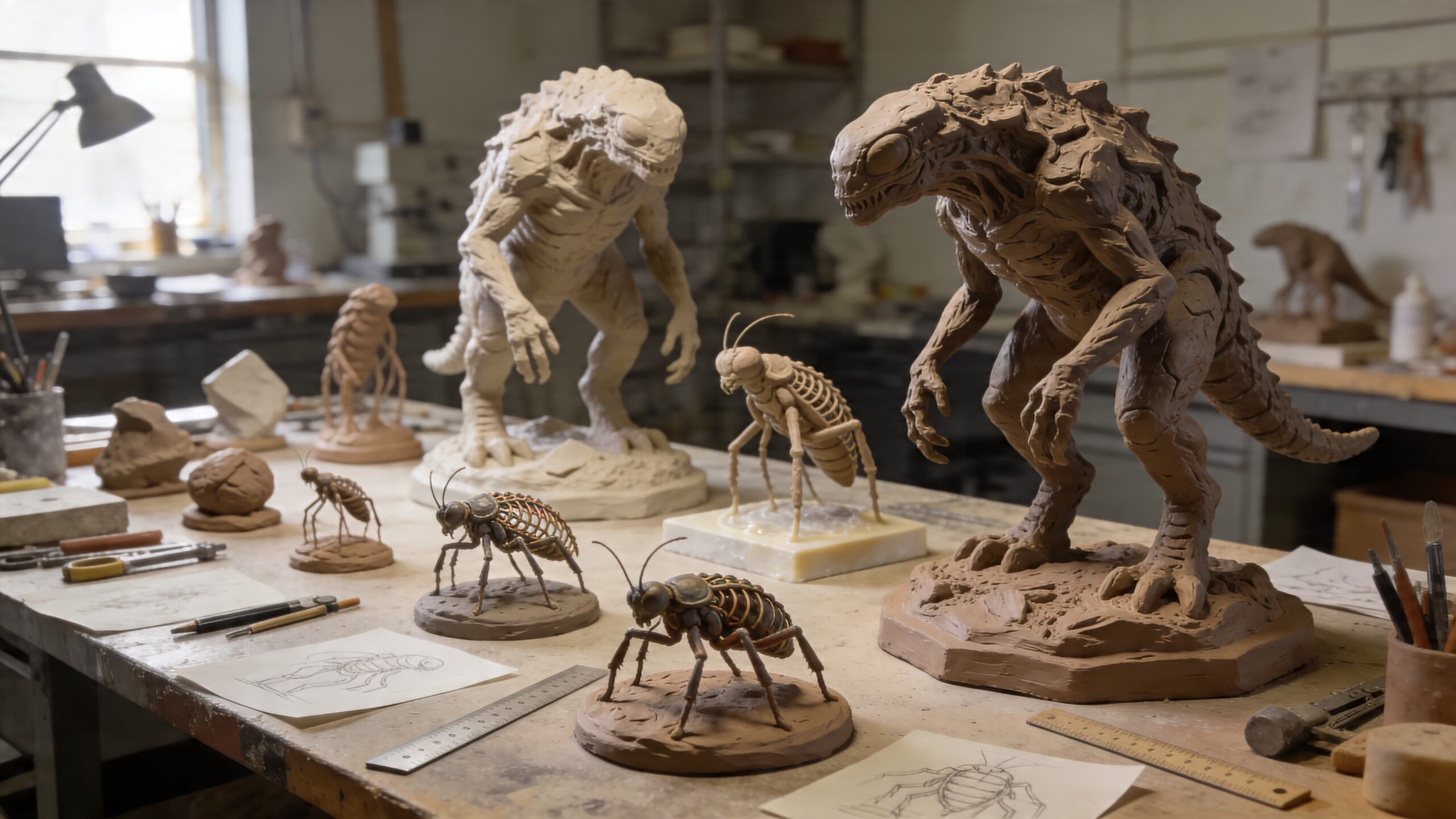
Creature Size and Scale Guide How Big Explained for Creature Fans
Creature Size and Scale Guide: How Big Should Your Creature Be? is a useful creature-lore topic because it connects mythology, fantasy design, reader curiosity, and visual storytelling in one place. The subject rewards a practical explanation: what the creature idea means, how it works in stories, why the form stays memorable, and what details make it feel believable. This guide is written for readers who enjoy legendary beasts, creature design, immersive displays, and the way old symbols become modern fantasy language.
What Makes Creature Size and Scale Guide How Big Worth Studying
What Makes Creature Size and Scale Guide How Big Worth Studying begins with origin and context. In creature size choices and fantasy design scale, the creature should feel connected to a specific purpose rather than dropped into a scene as decoration. Readers believe the idea when its body, environment, behavior, and emotional role all point in the same direction. That means a strong article needs practical details as well as mythic atmosphere, because the most memorable creatures feel imagined and organized at the same time. A good example changes the scene around it.
What Makes Creature Size and Scale Guide How Big Worth Studying begins with anatomy and surface. In creature size choices and fantasy design scale, the creature should feel connected to a specific purpose rather than dropped into a scene as decoration. Readers believe the idea when its body, environment, behavior, and emotional role all point in the same direction. That means a strong article needs practical details as well as mythic atmosphere, because the most memorable creatures feel imagined and organized at the same time. A good example changes the scene around it.
The Mythic Background Behind Creature Size and Scale Guide How Big
The Mythic Background Behind Creature Size and Scale Guide How Big begins with anatomy and surface. In creature size choices and fantasy design scale, the creature should feel connected to a specific purpose rather than dropped into a scene as decoration. Readers believe the idea when its body, environment, behavior, and emotional role all point in the same direction. That means a strong article needs practical details as well as mythic atmosphere, because the most memorable creatures feel imagined and organized at the same time. A good example changes the scene around it.
The Mythic Background Behind Creature Size and Scale Guide How Big begins with movement and timing. In creature size choices and fantasy design scale, the creature should feel connected to a specific purpose rather than dropped into a scene as decoration. Readers believe the idea when its body, environment, behavior, and emotional role all point in the same direction. That means a strong article needs practical details as well as mythic atmosphere, because the most memorable creatures feel imagined and organized at the same time. A good example changes the scene around it.
The Mythic Background Behind Creature Size and Scale Guide How Big begins with habitat and atmosphere. In creature size choices and fantasy design scale, the creature should feel connected to a specific purpose rather than dropped into a scene as decoration. Readers believe the idea when its body, environment, behavior, and emotional role all point in the same direction. That means a strong article needs practical details as well as mythic atmosphere, because the most memorable creatures feel imagined and organized at the same time. A good example changes the scene around it.
How the Creature Idea Works Visually
How the Creature Idea Works Visually begins with movement and timing. In creature size choices and fantasy design scale, the creature should feel connected to a specific purpose rather than dropped into a scene as decoration. Readers believe the idea when its body, environment, behavior, and emotional role all point in the same direction. That means a strong article needs practical details as well as mythic atmosphere, because the most memorable creatures feel imagined and organized at the same time. A good example changes the scene around it.
Why Scale and Setting Matter
Why Scale and Setting Matter begins with habitat and atmosphere. In creature size choices and fantasy design scale, the creature should feel connected to a specific purpose rather than dropped into a scene as decoration. Readers believe the idea when its body, environment, behavior, and emotional role all point in the same direction. That means a strong article needs practical details as well as mythic atmosphere, because the most memorable creatures feel imagined and organized at the same time. A good example changes the scene around it.
Why Scale and Setting Matter begins with symbolic force. In creature size choices and fantasy design scale, the creature should feel connected to a specific purpose rather than dropped into a scene as decoration. Readers believe the idea when its body, environment, behavior, and emotional role all point in the same direction. That means a strong article needs practical details as well as mythic atmosphere, because the most memorable creatures feel imagined and organized at the same time. A good example changes the scene around it.
Behavior, Motion, and Reader Belief
Behavior, Motion, and Reader Belief begins with symbolic force. In creature size choices and fantasy design scale, the creature should feel connected to a specific purpose rather than dropped into a scene as decoration. Readers believe the idea when its body, environment, behavior, and emotional role all point in the same direction. That means a strong article needs practical details as well as mythic atmosphere, because the most memorable creatures feel imagined and organized at the same time. A good example changes the scene around it.
Behavior, Motion, and Reader Belief begins with viewer response. In creature size choices and fantasy design scale, the creature should feel connected to a specific purpose rather than dropped into a scene as decoration. Readers believe the idea when its body, environment, behavior, and emotional role all point in the same direction. That means a strong article needs practical details as well as mythic atmosphere, because the most memorable creatures feel imagined and organized at the same time. A good example changes the scene around it.
Behavior, Motion, and Reader Belief begins with story function. In creature size choices and fantasy design scale, the creature should feel connected to a specific purpose rather than dropped into a scene as decoration. Readers believe the idea when its body, environment, behavior, and emotional role all point in the same direction. That means a strong article needs practical details as well as mythic atmosphere, because the most memorable creatures feel imagined and organized at the same time. A good example changes the scene around it.
Symbolism Readers Notice First
Symbolism Readers Notice First begins with viewer response. In creature size choices and fantasy design scale, the creature should feel connected to a specific purpose rather than dropped into a scene as decoration. Readers believe the idea when its body, environment, behavior, and emotional role all point in the same direction. That means a strong article needs practical details as well as mythic atmosphere, because the most memorable creatures feel imagined and organized at the same time. A good example changes the scene around it.
Design Choices That Strengthen the Topic
Design Choices That Strengthen the Topic begins with story function. In creature size choices and fantasy design scale, the creature should feel connected to a specific purpose rather than dropped into a scene as decoration. Readers believe the idea when its body, environment, behavior, and emotional role all point in the same direction. That means a strong article needs practical details as well as mythic atmosphere, because the most memorable creatures feel imagined and organized at the same time. A good example changes the scene around it.
Design Choices That Strengthen the Topic begins with design restraint. In creature size choices and fantasy design scale, the creature should feel connected to a specific purpose rather than dropped into a scene as decoration. Readers believe the idea when its body, environment, behavior, and emotional role all point in the same direction. That means a strong article needs practical details as well as mythic atmosphere, because the most memorable creatures feel imagined and organized at the same time. A good example changes the scene around it.
Common Mistakes That Weaken the Creature
Common Mistakes That Weaken the Creature begins with design restraint. In creature size choices and fantasy design scale, the creature should feel connected to a specific purpose rather than dropped into a scene as decoration. Readers believe the idea when its body, environment, behavior, and emotional role all point in the same direction. That means a strong article needs practical details as well as mythic atmosphere, because the most memorable creatures feel imagined and organized at the same time. A good example changes the scene around it.
Common Mistakes That Weaken the Creature begins with worldbuilding use. In creature size choices and fantasy design scale, the creature should feel connected to a specific purpose rather than dropped into a scene as decoration. Readers believe the idea when its body, environment, behavior, and emotional role all point in the same direction. That means a strong article needs practical details as well as mythic atmosphere, because the most memorable creatures feel imagined and organized at the same time. A good example changes the scene around it.
Common Mistakes That Weaken the Creature begins with memorable detail. In creature size choices and fantasy design scale, the creature should feel connected to a specific purpose rather than dropped into a scene as decoration. Readers believe the idea when its body, environment, behavior, and emotional role all point in the same direction. That means a strong article needs practical details as well as mythic atmosphere, because the most memorable creatures feel imagined and organized at the same time. A good example changes the scene around it.
How Fantasy Worlds Can Use This Idea
How Fantasy Worlds Can Use This Idea begins with worldbuilding use. In creature size choices and fantasy design scale, the creature should feel connected to a specific purpose rather than dropped into a scene as decoration. Readers believe the idea when its body, environment, behavior, and emotional role all point in the same direction. That means a strong article needs practical details as well as mythic atmosphere, because the most memorable creatures feel imagined and organized at the same time. A good example changes the scene around it.
Why Creature Size and Scale Guide How Big Still Holds Attention
Why Creature Size and Scale Guide How Big Still Holds Attention begins with memorable detail. In creature size choices and fantasy design scale, the creature should feel connected to a specific purpose rather than dropped into a scene as decoration. Readers believe the idea when its body, environment, behavior, and emotional role all point in the same direction. That means a strong article needs practical details as well as mythic atmosphere, because the most memorable creatures feel imagined and organized at the same time. A good example changes the scene around it.
Why Creature Size and Scale Guide How Big Still Holds Attention begins with origin and context. In creature size choices and fantasy design scale, the creature should feel connected to a specific purpose rather than dropped into a scene as decoration. Readers believe the idea when its body, environment, behavior, and emotional role all point in the same direction. That means a strong article needs practical details as well as mythic atmosphere, because the most memorable creatures feel imagined and organized at the same time. A good example changes the scene around it.