Where the Dragon Waits
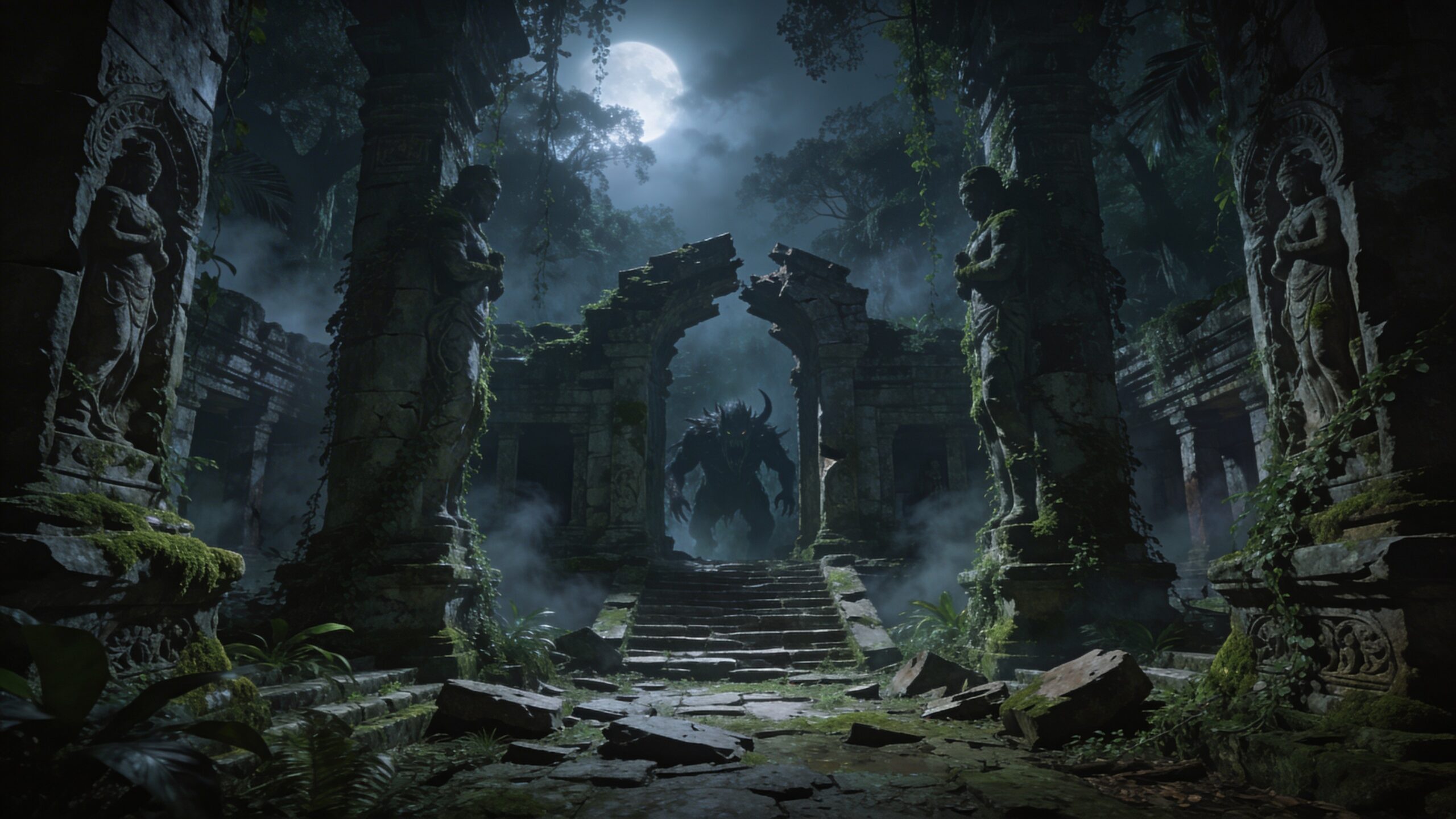
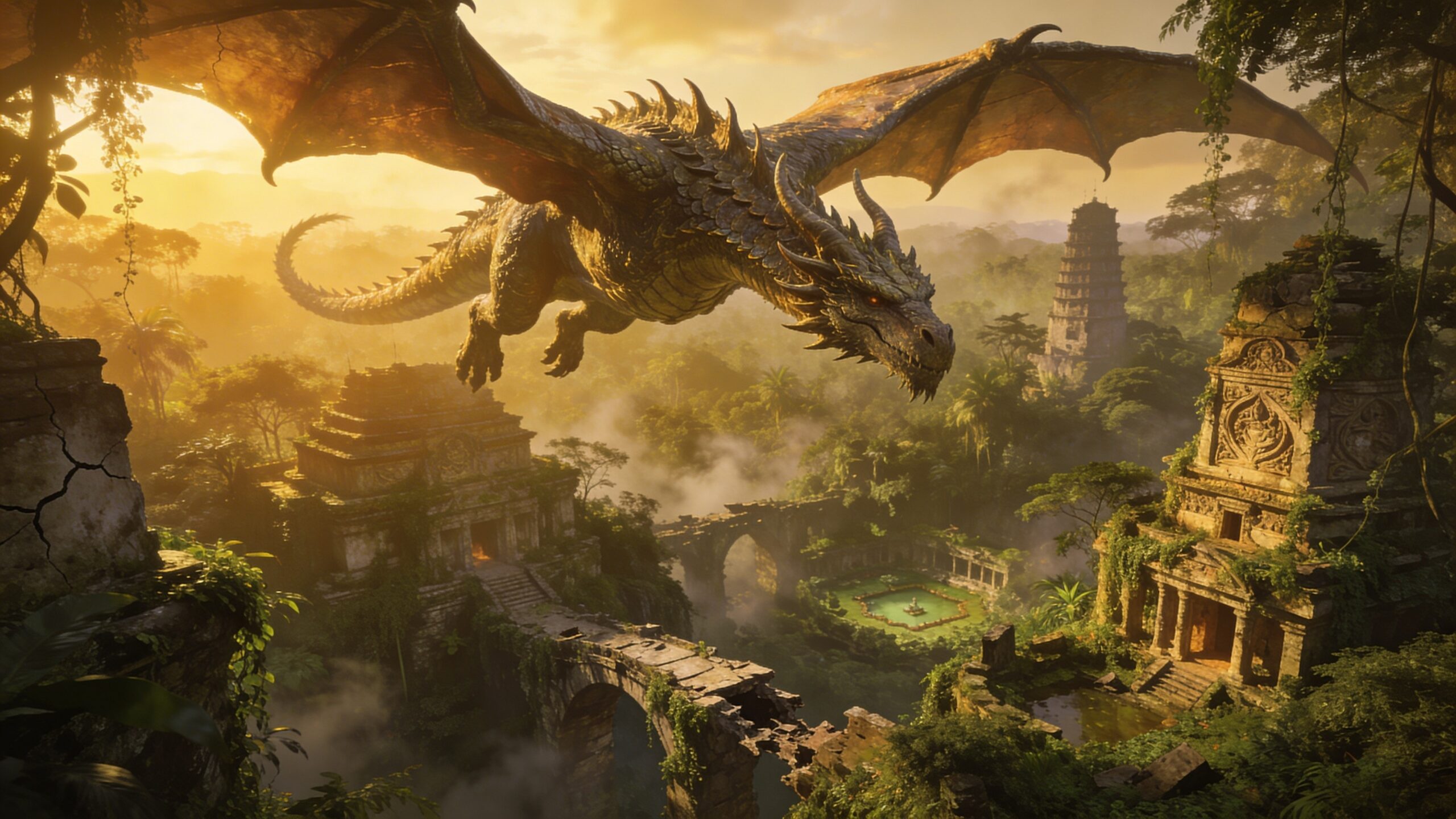
There are few images in mythology more powerful than a dragon rising above ancient ruins. A broken city swallowed by jungle. A buried fortress half-lost beneath desert sands. A fallen temple clinging to a mountainside. In story after story, when civilization disappears into dust and stone, the dragon is never far behind. Sometimes it sleeps beneath the ruins. Sometimes it circles above them. Sometimes it is the reason the city was abandoned in the first place. This connection between dragons and forgotten places appears across cultures, genres, and generations. It is one of the most enduring pairings in mythology, fantasy, and monster lore. Ancient ruins and dragons seem to belong to the same imaginative world because both represent power that outlasts ordinary human life. A ruin is what remains when human ambition collapses. A dragon is what remains when human fear takes shape. The pairing works so well because it feels natural on multiple levels. Dragons are ancient creatures, and ruins are ancient places. Dragons are guardians, and ruins are full of things worth guarding. Dragons are symbols of destruction, and ruins are the evidence that something powerful has already fallen. Together, they create an atmosphere of age, majesty, danger, and mystery that few other mythic combinations can match. When people imagine forgotten cities, they often imagine that something is still there—something older, wiser, or more terrible than the people who once built the place. Very often, that something is a dragon.
A: Because both dragons and ruins symbolize age, mystery, power, and the survival of something beyond ordinary human time.
A: Often yes, but they may also guard sacred relics, tombs, ancient knowledge, or the memory of a lost civilization.
A: Yes; many stories suggest a dragon destroyed the city, forcing people to flee and leaving only ruins behind.
A: The scale, age, hidden chambers, and dramatic architecture of ruins make them ideal lairs for mythic creatures.
A: No; some traditions portray dragons as protectors, sacred allies, or beings honored by the civilization itself.
A: Because forgotten cities already suggest buried secrets, and dragons naturally fit stories about hidden danger and guarded knowledge.
A: They combine adventure, loss, treasure, visual grandeur, and mythic danger in one unforgettable setting.
A: Sometimes, but they can also symbolize sacred power, judgment, memory, destruction, or endurance.
A: Myth often presents dragons as primal beings, making human civilization seem temporary beside them.
A: They embody the idea that when history fades into legend, something powerful still remains to guard the silence.
Dragons as Symbols of Ancient Power
One of the main reasons dragons are so often linked to ancient ruins is that dragons symbolize deep, primeval power. They do not feel temporary. They do not feel modern. A dragon seems as if it belongs to the first ages of the world, to a time before maps were complete and before cities believed themselves permanent. Ancient ruins carry the same emotional weight. A forgotten city suggests that even the greatest civilization can fade. It reminds us that all empires eventually become fragments. When a dragon is placed among those fragments, it becomes a perfect embodiment of what endures after human greatness passes away. The king is gone. The walls are broken. The people have vanished. But the dragon remains.
In this sense, the dragon is more than a creature. It is a symbol of enduring force. It represents the powers of the earth, the sky, fire, time, greed, wisdom, chaos, or divine authority depending on the culture telling the story. Ruins provide the ideal setting for that symbolism because they already speak the language of age and loss. A dragon in a modern city feels like an invasion. A dragon in an ancient ruin feels like a return. That sense of return is important. The dragon often feels as though it belongs to the ruin even more than the humans who built it. It is not just occupying the place. It is reclaiming it.
The Dragon as Guardian of What Was Lost
Another major reason dragons are linked to forgotten cities is their role as guardians. Across myth and fantasy, dragons are often protectors of treasure, sacred objects, hidden knowledge, royal bloodlines, magical gates, or dangerous secrets. Ancient ruins are the perfect place for all of these things. A ruined city almost always implies that something valuable remains inside. It may be literal treasure buried beneath collapsed halls. It may be a sacred relic hidden in a sealed chamber. It may be forbidden wisdom carved into temple walls. It may even be the memory of a lost civilization itself. Whatever the hidden prize, a dragon is the perfect guardian because it turns that prize into something more than loot. It makes access costly.
This is why dragons fit ruins so well in storytelling. Without a guardian, a ruin can become a puzzle or an archaeological site. With a dragon, the ruin becomes a threshold. It is no longer just a place to explore. It is a place to survive, respect, or prove oneself worthy to enter.
That is also why dragon-guarded ruins often feel morally charged. The dragon is not merely there to attack anyone nearby. It often stands for the idea that some things should not be taken lightly. Ancient knowledge, sacred tombs, the wealth of the dead, and the secrets of fallen kingdoms are not meant for casual possession. The dragon forces the intruder to face that truth.
Ruins as Evidence of Dragon Destruction
In many stories, dragons do not merely guard ruins. They create them. This is another reason the two are so closely linked. A dragon is often associated with fire, siege, wrath, and catastrophic force. Ancient ruins are the physical result of catastrophe. Broken towers, blackened gates, collapsed walls, and empty streets all feel like the aftermath of something powerful enough to humble a civilization. This makes dragons ideal explanations for abandoned cities in mythic storytelling. If a kingdom vanished suddenly, a dragon offers a reason that is immediate, dramatic, and unforgettable. People did not simply leave. They fled. The city did not merely age. It burned. The empire did not gradually weaken. It awoke something monstrous.
Even when a story never states directly that a dragon destroyed the city, the visual pairing suggests it. The dragon perched on a broken tower or sleeping in a shattered palace looks like the inheritor of destruction. It has replaced the rulers. It has taken the throne of ruin. This image is powerful because it reflects a deeper fear. Human beings build as if their creations will last forever, yet myth repeatedly reminds us that larger forces exist. Fire, earth, time, war, plague, and monsters—all can reduce pride to rubble. The dragon becomes the ultimate mythological expression of that humbling force.
Dragons and the Mystery of Hidden Histories
Forgotten cities are compelling because they invite questions. Who built this place? Why was it abandoned? What lies beneath the fallen stones? Dragons intensify those questions because they add a living mystery to a historical one. A ruin without a dragon invites investigation. A ruin with a dragon invites caution. It suggests that the past is not dead and passive but active and protected. Suddenly the city has an awareness. It has a will. Something in it still resists discovery.
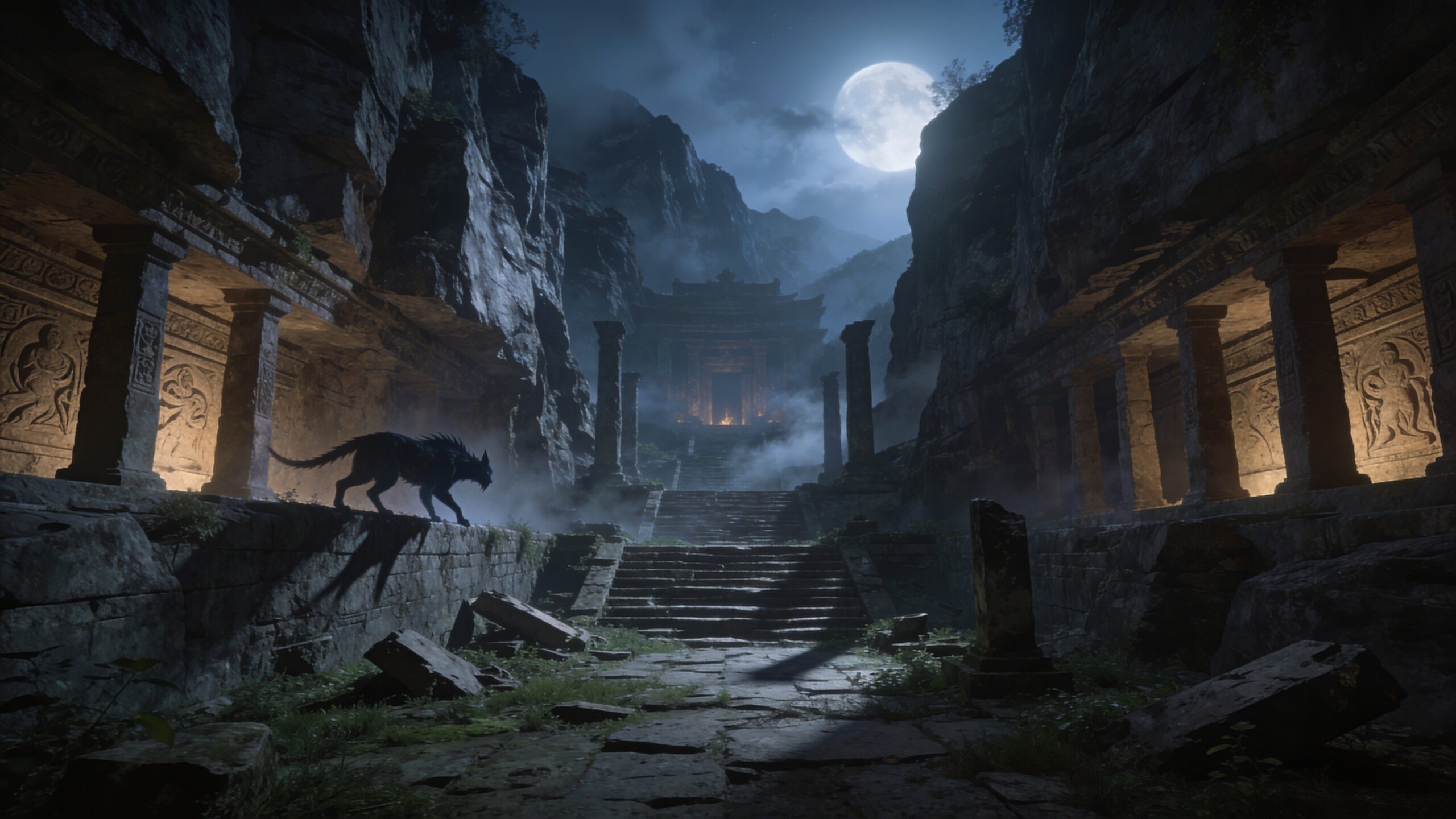
This is especially effective in stories about buried civilizations, underground chambers, jungle temples, and mountain sanctuaries. Such places already feel incomplete to the modern eye. Their meanings are fragmented. Their builders are gone. Their ceremonies are forgotten. The dragon becomes a bridge between what is known and what is unknowable. It embodies the secrets that the ruins refuse to surrender.
In some stories, the dragon knows what happened to the city. In others, it was there when the city was founded. In still others, it was worshipped by the people who once lived there. Each variation strengthens the bond between dragon and ruin. The city is no longer just a background. It becomes part of the creature’s story, and the creature becomes part of the city’s identity. That is why dragons linked to forgotten cities often feel more profound than dragons in open wilderness. The ruin gives the dragon history. The dragon gives the ruin life.
Why Dragons Match the Architecture of Lost Cities
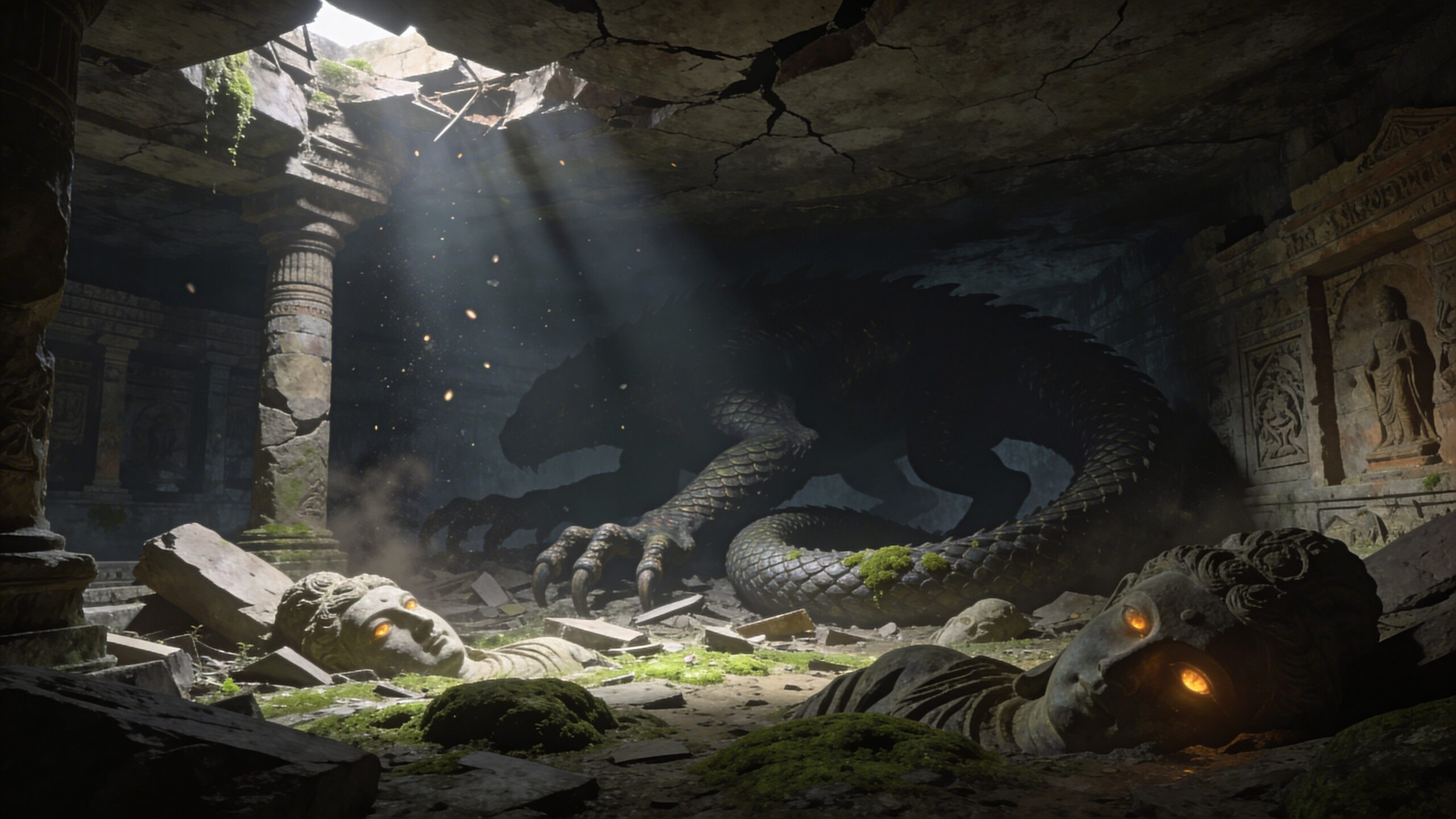
There is also a visual and spatial reason dragons are so often connected to ruins: they fit them beautifully. Ancient cities, temples, towers, gates, stairways, and subterranean chambers all provide the kind of dramatic architecture that makes dragons feel believable within a mythic world. A dragon wrapped around a broken column feels natural. A dragon coiled through a ruined archway feels majestic. A dragon sleeping beneath a palace floor or emerging from a buried gate feels as though it belongs to the stone. The scale of ancient architecture matches the scale of the creature. Both are grand, sculptural, and larger than ordinary human life.
Ruins also allow a dragon to seem rooted in the land. Unlike a dragon appearing suddenly in a field or village, a dragon among ruins feels settled. It has a lair. It has territory. It has history. The fallen city becomes an extension of its body and presence. This matters because great monsters are most memorable when they seem inseparable from their environment. The dragon in a forgotten city is not just in the setting. It is the setting’s final meaning. Every broken wall becomes proof of its age. Every collapsed roof becomes evidence of its weight. Every hidden chamber becomes a possible path to its lair. The architecture of ruins does not just hold the dragon. It frames the dragon as timeless.
The Dragon as Keeper of Thresholds
Mythologically, dragons often function as threshold creatures. They stand at borders: between life and death, knowledge and ignorance, greed and restraint, the sacred and the profane, civilization and wilderness. Ancient ruins are also threshold places. They belong partly to history and partly to legend. They stand between what is remembered and what is lost. This shared threshold quality helps explain why dragons and ruins feel inseparable. A forgotten city is a place where the ordinary rules weaken. The past presses close. Echoes of ritual, royalty, disaster, and secrecy linger in the stones. A dragon belongs there because dragons are creatures of in-between spaces. They are not simple animals. They are tests.
A hero entering a dragon-guarded ruin is never just exploring. The hero is crossing a boundary. That boundary may lead to treasure, revelation, corruption, or doom. The dragon makes that crossing meaningful. It transforms the ruin into a place of initiation.
This is one reason dragon-and-ruin stories appear so often in adventure tales. The combination creates immediate stakes. The place is ancient, the danger is immense, and the reward is never merely material. Something deeper is at risk. Identity, morality, loyalty, or destiny often hangs in the balance. The dragon at the gate of a forgotten city is therefore more than a monster. It is the living embodiment of the question: should you go farther?
Cultural Memory, Worship, and the Sacred Dragon
In some traditions, dragons are not enemies of civilization at all. They are woven into it. They may be worshipped, feared, bargained with, or honored as sacred beings tied to the land, the waters, the sky, or dynastic power. When this kind of dragon is linked to a ruin, the result is different from the classic treasure-hoarding beast. The dragon becomes part of the civilization’s original design. This idea is especially powerful because it suggests that some ancient cities may have been built with dragons in mind. Perhaps a temple was raised over a dragon’s resting place. Perhaps a dynasty claimed descent from a dragon spirit. Perhaps a city’s walls were decorated with dragon imagery not because the creature threatened the people, but because it protected them.
When those cities fall into ruin, the dragon remains in memory as a final witness to what the civilization believed about itself. It becomes the keeper of continuity. The stones crumble, but the sacred guardian endures. This perspective adds richness to the dragon-and-ruin connection. Not every dragon is there to destroy trespassers. Some are there to preserve dignity, sacred order, and forgotten meaning. They stand watch over a civilization’s identity long after its language and banners have disappeared. That idea gives the dragon enormous emotional weight. It is no longer merely guarding treasure. It is guarding memory.
Why Modern Audiences Still Love the Pairing
Modern readers and viewers continue to love dragons linked to ancient ruins because the pairing satisfies several powerful imaginative desires at once. It offers discovery, danger, beauty, history, and myth in one image. It suggests that the world still contains places untouched by ordinary explanation. It hints that something magnificent and terrible survives beyond the edge of modern certainty.
There is also an emotional contrast that makes the image unforgettable. Ruins are silent. Dragons are presence. Ruins are broken. Dragons are powerful. Ruins speak of decline. Dragons speak of endurance. When combined, they create a story that feels larger than either element alone.
For a site like Creature Street, this pairing is especially strong because it sits directly at the crossroads of mythology, monsters, and mysterious habitats. Ancient ruins give dragons a perfect realm. Dragons give ancient ruins a perfect guardian. Together they create a setting that feels universal, whether the story leans toward high fantasy, cryptid mystery, global folklore, or dark mythological adventure. This is why the dragon remains the ultimate creature of lost cities. It does not simply inhabit ancient ruins. It completes them.
Why the Dragon Never Leaves the Ruin
At the deepest level, dragons are linked to ancient ruins and forgotten cities because both represent the same truth: power outlives possession. Human beings build kingdoms, temples, gates, and palaces believing they control them. Time proves otherwise. Civilizations fade, but the forces they tried to master—nature, fire, fear, greed, divinity, mystery—remain. The dragon embodies those forces. It is age with claws. It is memory with wings. It is danger made magnificent. When it settles among the remains of a forgotten city, the image feels right because the dragon belongs to the scale of things that do not vanish when empires do.
That is why ancient ruins in legend rarely stay empty. Imagination refuses to leave them hollow. It fills them with guardians, secrets, echoes, and beasts worthy of their silence. Of all those creatures, the dragon is the one that fits best. It can destroy a city, protect it, inherit it, haunt it, or define it. It can be curse, witness, judge, king, or relic of an older world. So when we ask why dragons are often linked to ancient ruins and forgotten cities, the answer is bigger than treasure or fear. Dragons belong there because ruins are where human history becomes myth. And dragons are the creatures waiting on the other side of that transformation.