The Forgotten Depths Beneath Human History
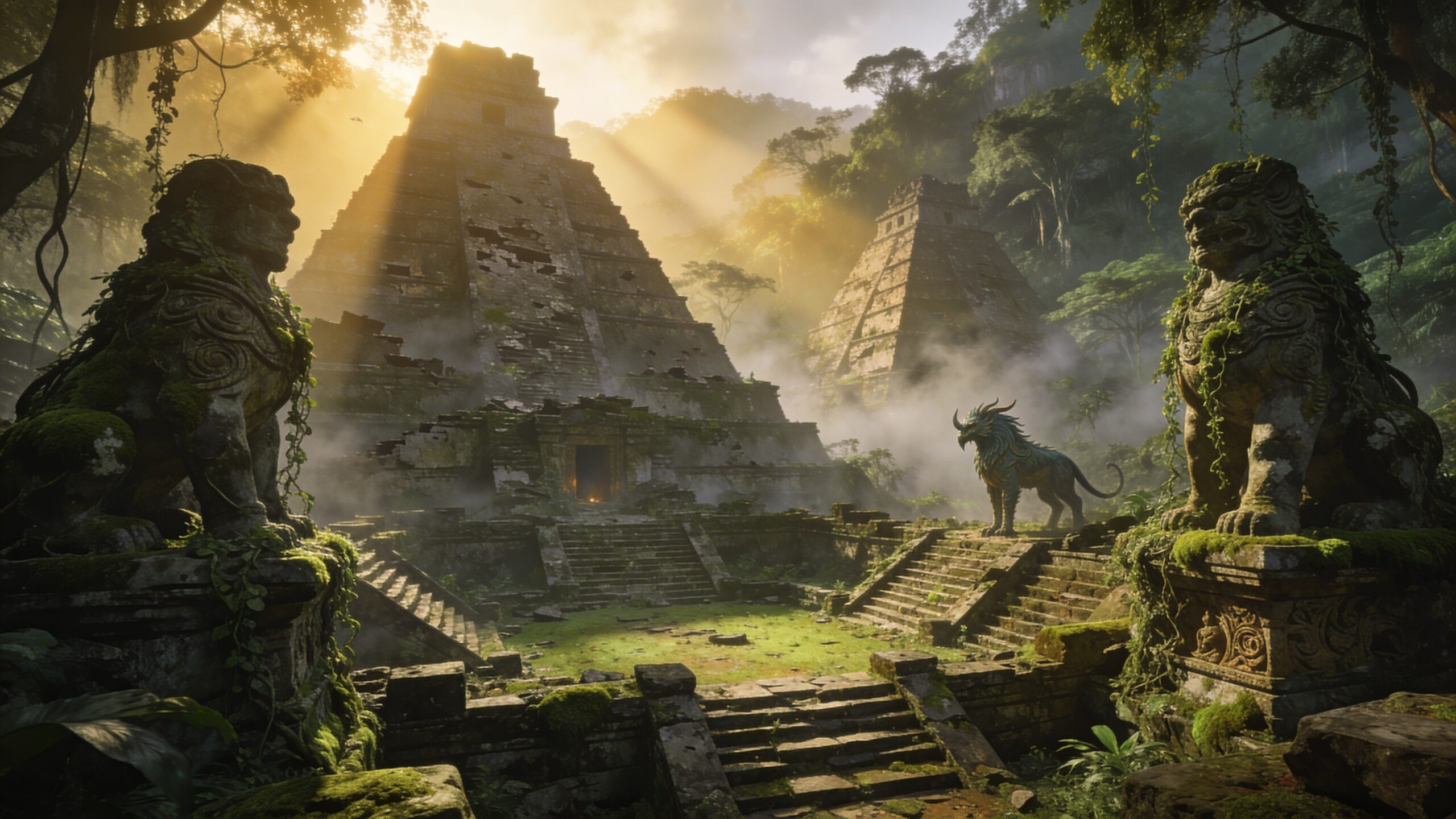
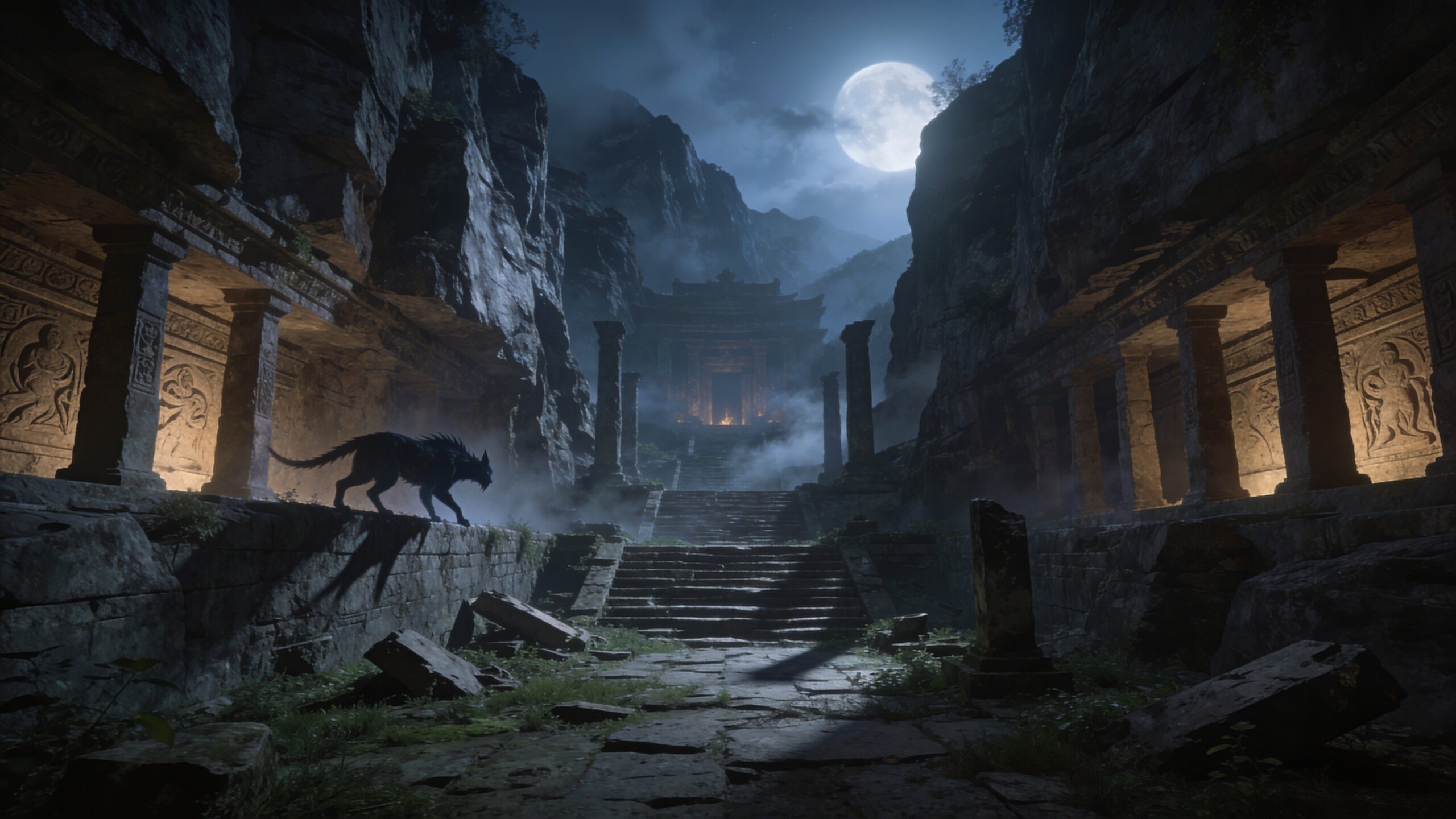
Throughout human history, civilizations have risen to greatness, built magnificent cities, and eventually faded into legend. What remains are ruins—crumbling temples, buried cities, and ancient structures reclaimed by time. Yet in myths, legends, and cryptid lore, these ruins are rarely empty. Beneath them, storytellers claim, something else waits. Across cultures and continents, tales persist of monsters that dwell beneath ancient civilizations. These creatures are said to live in underground tunnels, hidden caverns, and forgotten chambers far below ruined cities. Some are guardians left behind to protect sacred knowledge. Others are imprisoned horrors sealed beneath stone by ancient builders. And some, according to legend, were always there—sleeping deep below the earth long before humanity built its first temple. These stories capture the imagination because ancient ruins themselves feel mysterious. Beneath every fallen wall or collapsed pyramid lies the possibility of hidden chambers and undiscovered tunnels. When imagination fills those dark spaces, it often fills them with creatures.
A: Because ruins already feel mysterious, and buried chambers naturally invite legends about hidden guardians, prisoners, and forgotten beasts.
A: Dragons and giant serpents are the most common, followed by guardian beasts, revenants, and shadow creatures.
A: Not always; some are destroyers, but others are protectors, sacred guardians, or beings bound to keep balance.
A: Underground spaces represent secrecy, danger, death, and hidden power, which fits monster storytelling perfectly.
A: Yes; tunnels, crypts, cisterns, catacombs, and buried rooms make ruins ideal settings for subterranean creature lore.
A: They often serve as prisons, treasure vaults, ritual sites, or warning zones where a creature is believed to sleep or wait.
A: Often, but many stories focus even more on forbidden knowledge, sacred relics, or ancient curses than on gold.
A: They create the perfect narrative trigger: someone disturbs what should have remained buried.
A: Very likely; stories about beasts below may have discouraged tomb robbing, trespassing, or reckless excavation.
A: Because ancient ruins, hidden worlds, and sleeping monsters combine mystery, history, danger, and imagination in one unforgettable setting.
The Ancient Fear of What Lies Beneath
Humans have always feared the unknown spaces beneath the earth. Long before modern archaeology revealed underground cities and burial chambers, people understood that the ground beneath them held secrets.
Many early civilizations believed the underworld was a physical realm beneath the earth’s surface. In ancient Greek mythology, vast subterranean regions were said to house monsters and spirits. Egyptian lore described hidden passages beneath temples connected to mysterious beings and divine guardians. In Mesopotamian myths, dark subterranean worlds were inhabited by powerful creatures and ancient gods.
These beliefs blended naturally with the architecture of ancient cities. Many civilizations constructed extensive underground networks—catacombs, tombs, ritual chambers, storage tunnels, and hidden escape routes. When cities fell into ruin and these spaces were forgotten, stories emerged about what might now occupy them. It is in these forgotten spaces that monsters are said to dwell.
Dragons Beneath Forgotten Cities
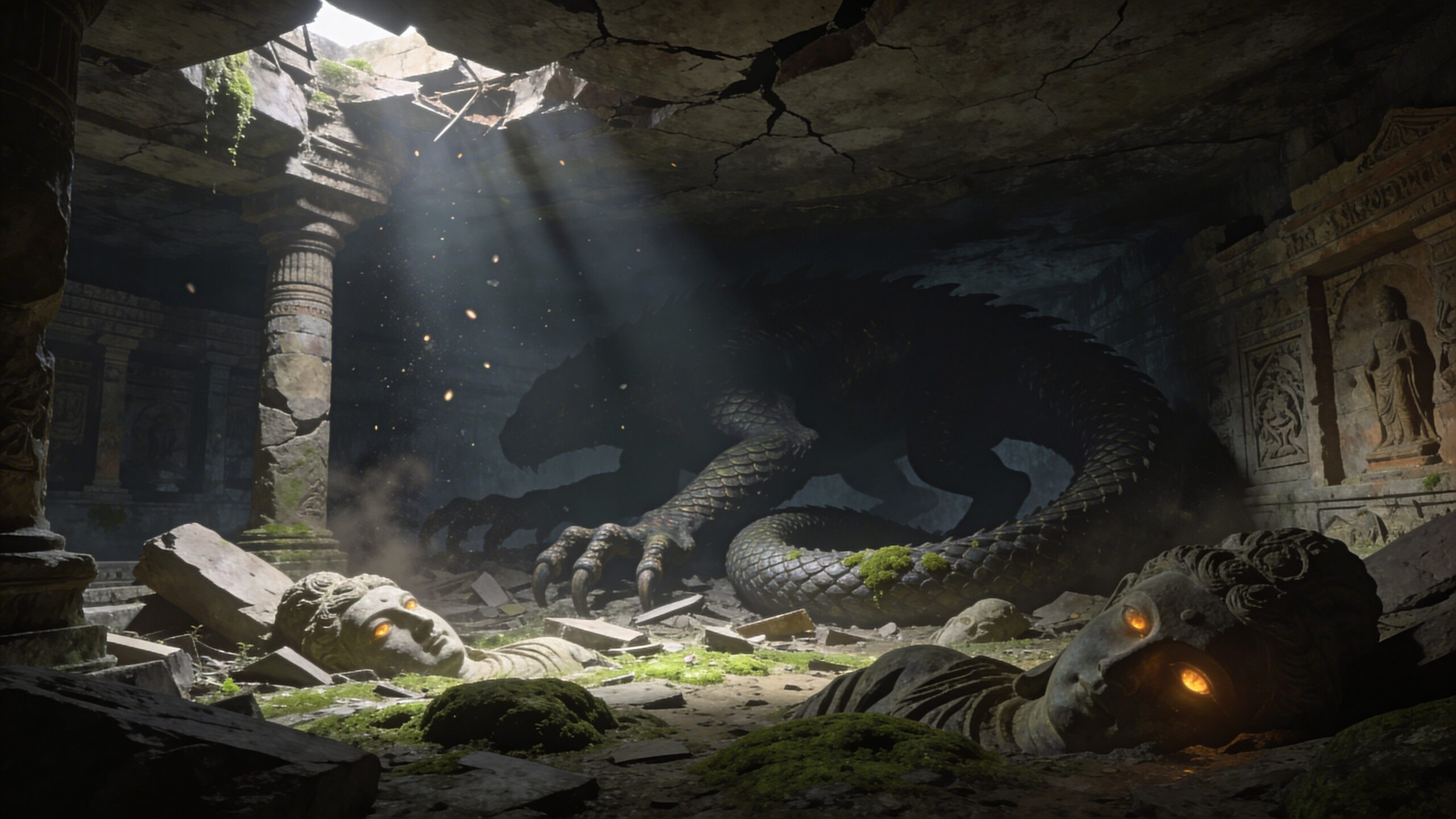
One of the most common creatures said to inhabit ancient ruins is the dragon. In many mythological traditions, dragons are not merely sky creatures or fire-breathing beasts. They are subterranean guardians connected to the deep earth. Legends across Europe and Asia describe dragons living beneath mountains, temples, and ancient cities. These creatures are often portrayed as keepers of hidden knowledge or protectors of lost treasures buried beneath civilizations.
Some stories claim that ancient rulers built temples and fortresses above dragon lairs intentionally. According to these tales, dragons were both feared and revered, believed capable of bringing destruction if disturbed but offering protection if respected. Even today, some folklore claims that dragons sleep beneath long-lost cities waiting to awaken when the ruins are disturbed.
Serpent Creatures in Subterranean Worlds
Another creature commonly associated with underground ruins is the giant serpent. In myth and cryptid lore, enormous serpentine monsters are said to inhabit deep caves, tunnels, and underground rivers beneath ancient civilizations.
These creatures appear in cultures around the world. In South American legends, massive serpent-like beings are said to dwell beneath the ruins of ancient cities. Some traditions describe them as guardians placed there by ancient gods. Other stories portray them as ancient inhabitants of the earth itself—creatures that existed long before human civilizations rose above them.
The idea of giant serpents living underground may also stem from real geological features. Many ruins are built above natural caves, sinkholes, or underground rivers. In ancient times, these mysterious openings into the earth fueled speculation about what might live within them.
The Guardians of Sacred Chambers
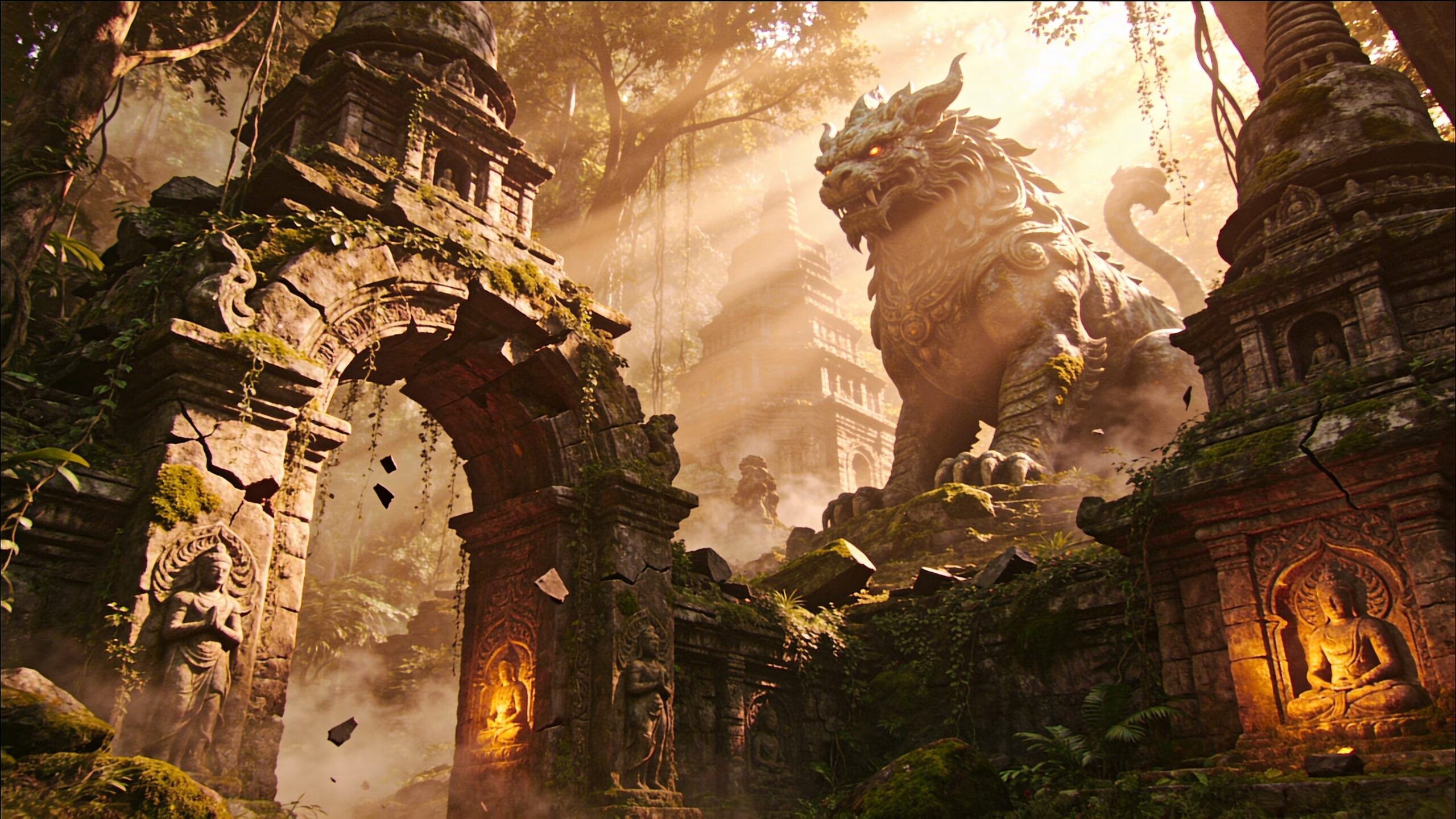
Not all creatures beneath ancient ruins are described as monsters. Many are believed to be guardians. In mythological stories, sacred knowledge was often protected by supernatural beings placed in hidden chambers beneath temples or pyramids. These guardians could take many forms—stone creatures that awaken when intruders approach, powerful spirits bound to protect ancient relics, or mythical beasts that patrol underground corridors.
These legends may reflect ancient cultural beliefs about protecting sacred spaces. Important artifacts, tombs, or ceremonial chambers were often hidden beneath structures to keep them safe. Stories of guardians may have served as warnings to prevent intruders from disturbing these sacred places. Over centuries, those warnings evolved into stories of terrifying creatures lurking beneath ruins.
The Buried Creatures of Lost Civilizations
Some myths suggest that monsters beneath ancient civilizations are not guardians but prisoners. According to certain legends, ancient societies encountered powerful creatures they could not destroy. Instead, they trapped these beings beneath the earth using massive stone structures or magical seals.
In these stories, temples and pyramids were constructed directly above the creatures’ prisons. The structures acted as barriers, keeping the monsters sealed beneath layers of stone and earth.
When civilizations collapsed and their knowledge was lost, only fragments of the story remained. Over time, these fragments turned into legends warning that disturbing ancient ruins might release something dangerous. These myths are especially common in stories surrounding lost civilizations. The ruins themselves become symbols of a forgotten struggle between humanity and something monstrous.
Underground Labyrinths and Hidden Worlds
Ancient ruins often contain complex underground systems that add to the mystery surrounding them. Archaeologists have discovered that many ancient cities included elaborate subterranean networks. Some served practical purposes such as water storage or protection during sieges. Others appear to have had ceremonial or spiritual significance. These underground labyrinths often extend far beyond what is visible on the surface. Hidden passages, secret chambers, and tunnel networks create an environment that seems almost designed for legends.
When people explore these ruins centuries later, they sometimes encounter spaces that feel untouched by time. The darkness, silence, and scale of these underground environments make it easy to imagine that something might still live there. It is within these labyrinths that many stories place the monsters beneath ancient civilizations.
Creatures of the Deep Earth
Some legends go even further, suggesting that monsters beneath ruins are part of a much larger underground world. According to these stories, vast subterranean ecosystems exist beneath the earth’s surface. These hidden realms are said to contain underground lakes, enormous caverns, and entire networks of tunnels stretching across continents.
In these imagined worlds, creatures thrive far from sunlight. Some are massive predators that roam ancient cave systems. Others are mysterious beings adapted to life in darkness.
Ancient ruins, according to this idea, are simply the entrances to these deeper worlds. Whether imagined as gateways or accidental doorways, ruins become the places where humans might encounter creatures from beneath the earth.
Why Ruins Inspire Monster Legends
There are several reasons why ancient ruins are so often linked to monster stories. First, ruins create natural mystery. Crumbling structures, buried chambers, and unexplored tunnels invite speculation. When people encounter spaces that have not been fully explored, imagination quickly fills in the unknown.
Second, ruins symbolize lost knowledge. Ancient civilizations often possessed architectural skills and cultural practices that seem mysterious today. When people cannot fully explain these achievements, myths sometimes emerge to provide answers. Third, ruins are often located in remote or wild environments. Dense jungles, deserts, and mountains hide many ancient sites. These landscapes are also places where unusual animal sightings can occur, contributing to cryptid legends. Together, these factors create perfect conditions for stories about monsters beneath ancient civilizations.
Modern Cryptid Lore and Ancient Ruins
Even in the modern era, reports occasionally surface of strange creatures near ancient ruins. Some explorers and adventurers claim to have seen large shadows moving through underground chambers. Others report hearing unexplained sounds echoing through ancient tunnels. While such experiences often have natural explanations, they continue to fuel speculation.
Cryptid researchers sometimes investigate ruins because they believe remote and undisturbed environments could hide unknown species. Underground cave systems in particular remain among the least explored environments on Earth. Although there is no scientific evidence that mythical monsters inhabit these ruins, the possibility of undiscovered animals living in remote cave systems remains a real area of scientific curiosity.
The Endless Mystery Beneath Ruins
Ancient ruins remind us that human history is only partially understood. Beneath the visible remains of ancient civilizations lie layers of buried structures, hidden chambers, and unexplored passages. Whether or not monsters truly exist beneath these ruins, the legends themselves reveal something powerful about human imagination. They reflect our fascination with the unknown and our instinct to wonder what lies beyond the edges of discovery.
As archaeologists continue to uncover lost cities and hidden chambers around the world, each discovery adds to the mystery. Every tunnel and underground passage reminds us that ancient civilizations were far more complex than we once believed. And in the deepest corners of those ruins—where light has not reached for centuries—it is easy to understand why legends say that something might still be waiting.