Why Believability Matters
The most unforgettable creatures in fantasy and sci-fi are rarely the strangest ones. They are the ones that feel as if they could breathe, hunt, sleep, migrate, and survive in the worlds they inhabit. A creature can have glowing skin, six limbs, wings, venom, armored plates, or alien senses, but if its anatomy feels disconnected from function, audiences notice. They may still admire the design, but they will not believe in it. Believability is what turns a cool concept into a living species. That believability comes from internal logic. A creature does not need to be scientifically possible by real-world standards to feel real. It only needs to appear physically, biologically, and behaviorally consistent. If its limbs match its movement, if its body covering fits its habitat, and if its features seem shaped by survival, the design gains weight. It feels less like an illustration and more like a discovery. This is why anatomy matters so much in creature design. Anatomy is the bridge between imagination and immersion. In both fantasy and sci-fi, it gives creatures a foundation that supports the larger world around them. The better that foundation, the more convincing the creature becomes.
A: Consistent structure, functional movement, environmental adaptation, and clear biological purpose.
A: It usually works better to begin with function, posture, and movement before surface detail.
A: Their mass, limbs, abilities, or anatomy may not support how they are supposed to live and move.
A: Not exactly, but they benefit from believable internal biological logic.
A: Sci-fi often puts more emphasis on planetary conditions, speculative evolution, and environmental pressures.
A: Tradeoffs make creatures feel real because every advantage usually comes with a cost.
A: Yes, because functional features feel more natural, memorable, and believable.
A: A great deal, because terrain, climate, and food sources shape anatomy over time.
A: Yes, but the traits should work together as one coherent organism.
A: Let anatomy grow from function, survival, and environment rather than from decoration alone.
Begin With Function Before Appearance
A common mistake in creature design is starting with decorative features instead of purpose. Horns, teeth, glowing eyes, and dramatic silhouettes can be exciting, but those details are strongest when they grow out of a functional body plan. Before deciding how a creature looks, it helps to ask what the creature actually does. How does it move? What does it eat? Where does it live? What hunts it? How does it defend itself? Once those answers begin to emerge, appearance becomes easier to shape.
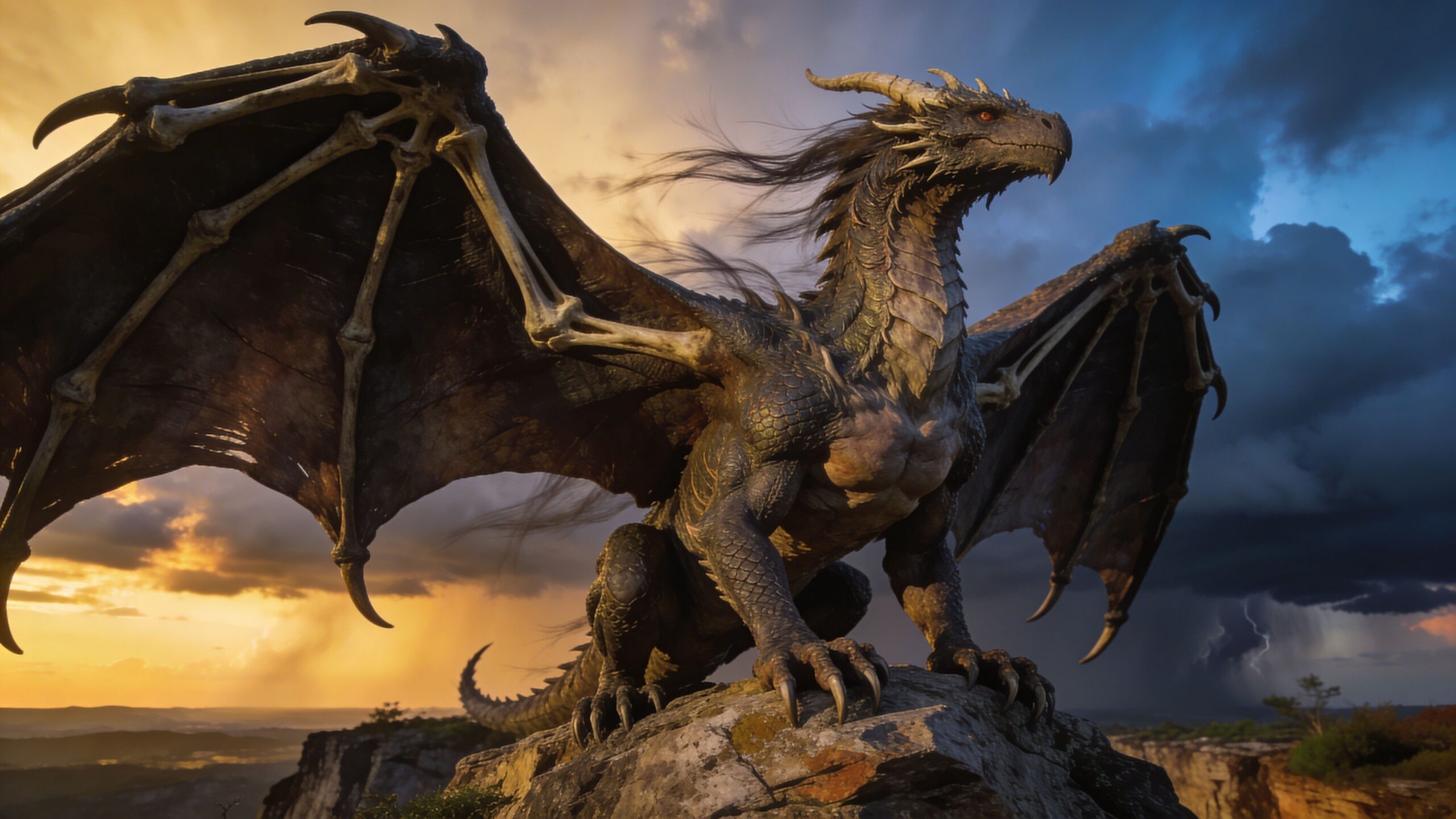
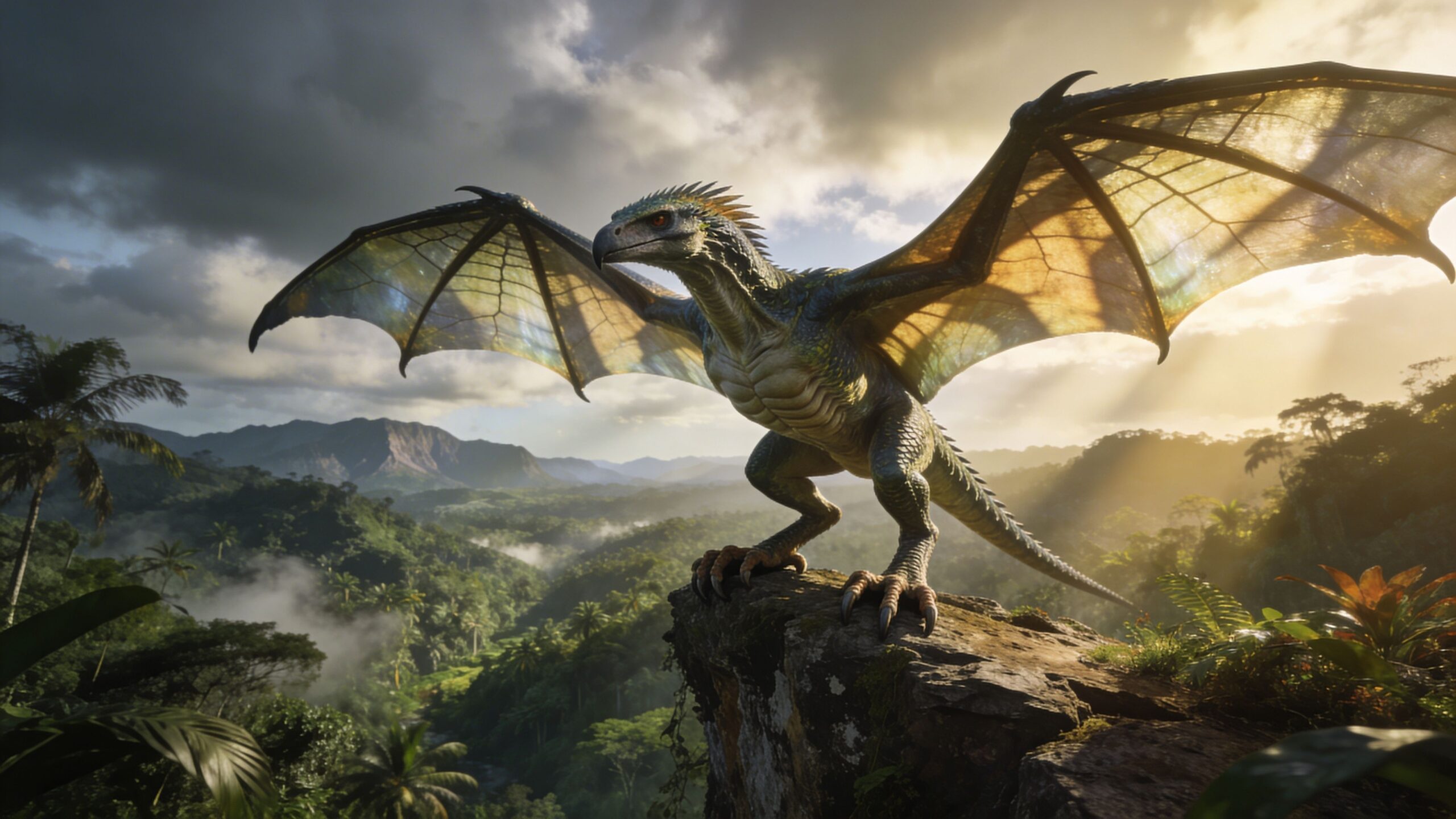
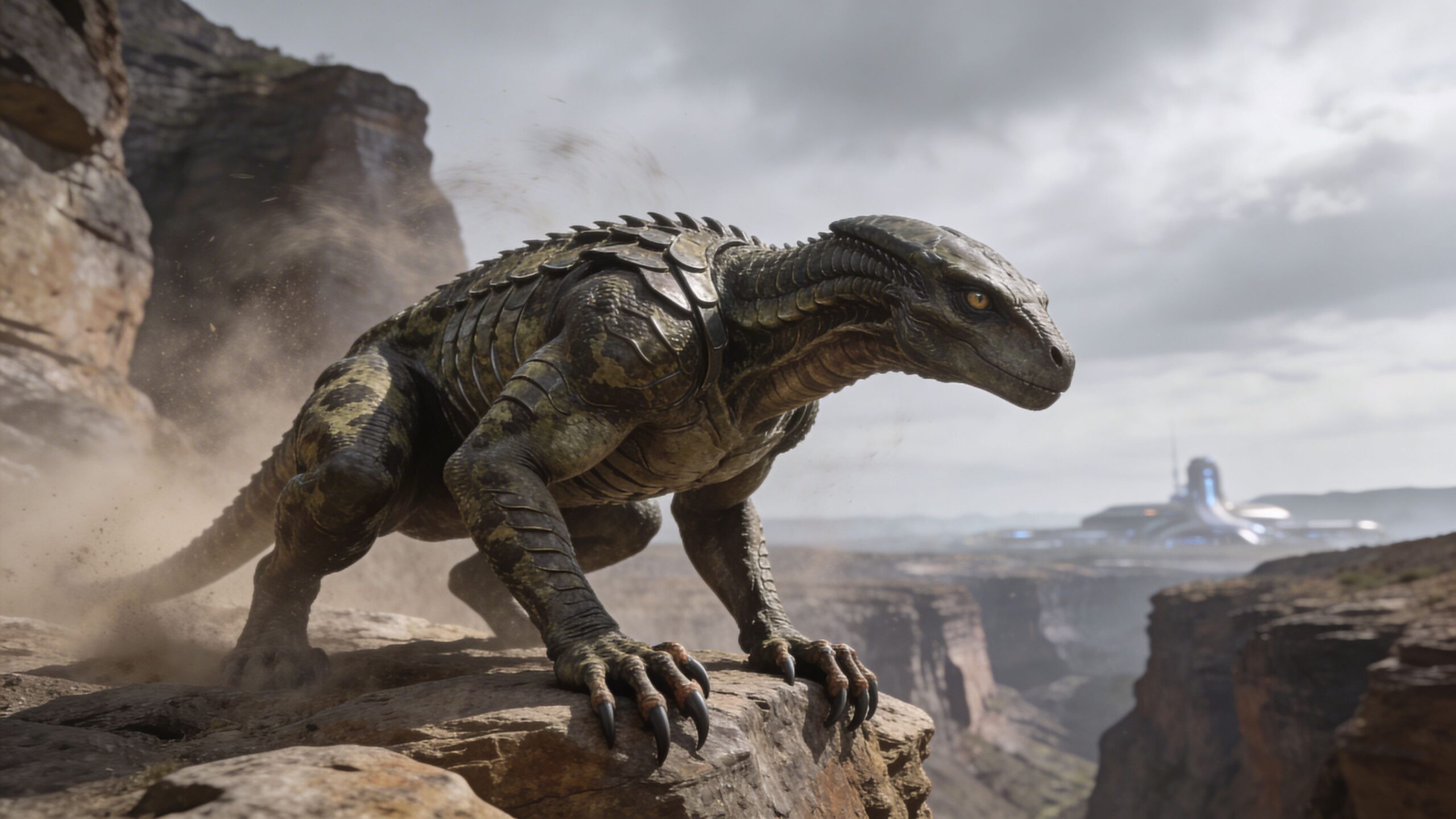
Function-first design creates stronger creatures because every visible feature supports a deeper idea. A canyon ambush predator may need powerful hind legs, muted coloration, and eyes adapted to distance. A swamp-dwelling scavenger may need a broad stance, moisture-resistant skin, and feeding anatomy suited to soft prey or carrion. A gliding alien from a low-gravity moon may need an elongated frame, lift-friendly membranes, and a lightweight but durable build. These features do not appear because they look cool. They look cool because they make sense. When appearance grows from purpose, the result is richer and more memorable. The creature no longer feels assembled. It feels evolved, adapted, and alive.
Build the Skeleton of the Idea
One of the best ways to make creature anatomy believable is to think like a structural designer. Every body needs a framework. Even if the creature has an exoskeleton, a hydraulic body system, or some unfamiliar alien structure, it still needs internal support. That support determines posture, mass distribution, and how the body interacts with gravity.
Large creatures need strong support systems. Fast creatures need efficient limb proportions. Flying creatures need bodies that appear built for lift, control, and landing. A creature with a massive upper body cannot stand on flimsy legs unless the world’s gravity or materials make that possible. A tall creature needs balance. A low-slung creature needs a movement strategy that fits its shape. These are structural questions, and they matter more than surface detail.
Thinking in terms of framework also helps simplify complicated ideas. Before worrying about skin, armor, or texture, it helps to imagine the creature as a bare body plan. Where is its center of mass? How many limbs does it use for locomotion? Does the torso twist? Does the neck need flexibility or strength? This kind of structural thinking often reveals whether a design is working or not.
Muscles Tell the Story of Movement
If structure defines what a creature can do, muscles define how it does it. Muscles communicate power, speed, endurance, and behavior. They help explain how a creature pounces, swims, grapples, digs, climbs, or takes flight. In believable creature design, muscle placement should always reflect lifestyle.
A creature built for explosive ambush will usually look different from one built for endurance. Powerful hindquarters may suggest jumping or sprinting. Thick shoulders and forelimbs may imply climbing, digging, or close-quarters grappling. A broad chest may indicate heavy breathing demands or the power needed to drive wings. Slender, efficient limbs can suggest distance travel or energy conservation. Muscles also contribute to visual personality. A heavily muscled neck and chest make a creature feel imposing. A lean body with visible tension feels nervous, fast, and alert. Even when the anatomy is alien, the viewer understands these signals intuitively. That is why strong musculature design is so important. It makes the creature feel physically present before it even moves.
Match Limbs to Locomotion
Believable creatures are usually built around one dominant form of movement. They may be capable of several actions, but their anatomy should clearly favor a primary locomotion style. This is one of the most important principles in fantasy and sci-fi creature design because bodies become far more convincing when movement drives form.
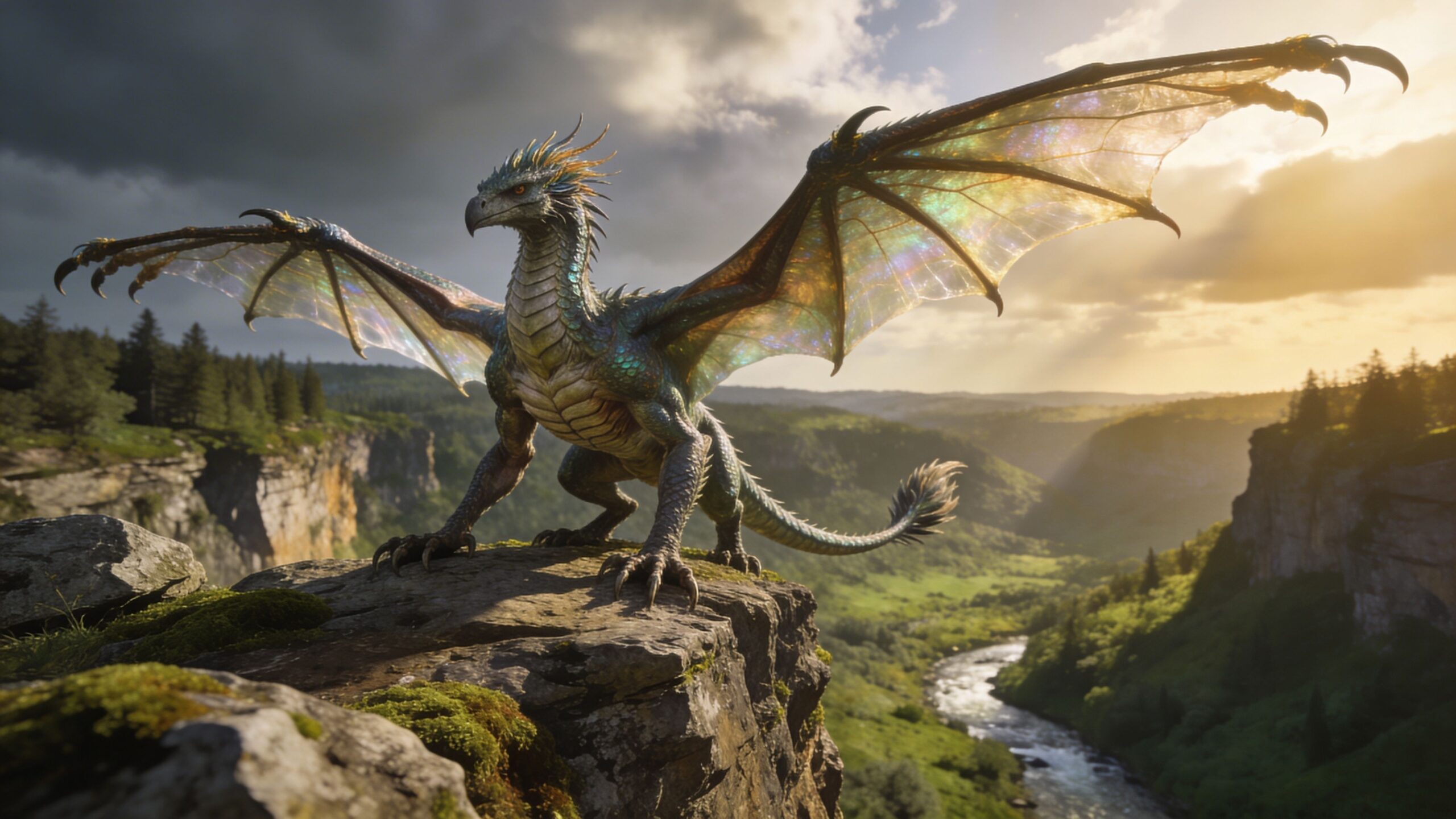
A running predator will need limbs that support stride, shock absorption, and balance. A climbing species will need grip, flexibility, and a body shape that works against gravity. A swimmer will benefit from streamlining, propulsion surfaces, and steering control. A flier must solve the demanding problem of lift, stability, and energy use. A burrower will need reinforced limbs and compact mechanics. A hovering alien may require a different logic entirely, but even then, its body should reflect whatever system makes that motion possible within the world.
Problems often arise when a design tries to do everything. If a creature is huge, armored, lightning-fast, silent, and fully capable of powered flight, it may lose believability unless the world’s physics clearly support those traits. The strongest designs tend to specialize. Specialization makes a creature feel shaped by survival rather than by wishful thinking.
Let the Head Reveal Behavior
The head is often the most emotionally engaging part of a creature, but it is also one of the most informative. Head shape can tell the audience how the creature feeds, senses danger, communicates, and fights. In both fantasy and sci-fi, the head should feel like a biological tool rather than a decorative mask. Eye placement says a great deal. Forward-facing eyes suggest focused tracking and depth perception, often associated with predatory behavior. Side-set eyes imply a wider field of view, which is helpful for vigilance. Large eyes may hint at darkness-adapted habitats. Protected or recessed eyes may suggest burrowing, armored combat, or hazardous terrain. Mouth design matters just as much. Teeth, mandibles, beaks, crushing plates, proboscises, and filter-feeding structures all imply different diets and survival strategies.
Horns, crests, whiskers, antennae, heat pits, sensory tendrils, and facial frills can also add function. The best designs use these features to tell a biological story. A crest may regulate heat or signal status. Antennae may detect chemicals or electrical fields. Horns may be used more for display than combat. When the head reflects the creature’s daily life, the entire design feels smarter and more complete.
Use Skin, Fur, Feathers, and Armor With Purpose
Surface detail can make a creature visually stunning, but it should always feel connected to biology. Skin, scales, fur, feathers, plates, shells, or translucent tissue are not just stylistic choices. They protect, insulate, display, regulate moisture, and interact with the environment. The more those functions are built into the design, the more believable the creature becomes.
A cold-world predator may have insulating fur, tight extremities, and coloration that blends into snow or rock. A desert creature may show pale tones, sun-resistant skin, and textures that reduce moisture loss. A rainforest climber may benefit from grip-friendly pads, water-shedding skin, and disruptive camouflage. In sci-fi settings, the same rules apply. A creature on a high-radiation world might have reflective or layered skin. One living in dense methane fog may have sensory surfaces and chemical-resistant outer tissue. Even the strangest worlds should leave visible traces on anatomy.
Armor deserves special attention because it comes with cost. Protective plating can be excellent for defense, but it may reduce flexibility, speed, or stealth. That tradeoff makes armor more believable and often more interesting. Whenever possible, let external features show not only what a creature can do, but what it has had to endure.
Design Around Habitat and Ecology
A believable creature belongs to a place. Habitat is one of the strongest forces in anatomy because environments shape bodies over time. Mountains, marshes, asteroid caves, radioactive plains, crystal forests, deep oceans, and floating islands all create different pressures. Those pressures affect not just appearance, but senses, feeding strategies, movement, and behavior.
Fantasy creatures often feel more convincing when their anatomy answers ecological questions. What food is available in this region? What predators or rivals exist? What terrain is hardest to cross? What climate defines daily survival? A jungle predator may be compact, quiet, and capable of climbing. A plains grazer may have endurance-focused limbs and panoramic vision. A cave-dwelling alien may lose pigment and gain vibration sensitivity. A creature living under a dim red sun may have eyes or thermal systems unlike anything on Earth. Ecology also helps avoid thin design. Instead of making one dramatic monster in isolation, creators start thinking in terms of relationships. If this creature is a predator, what does it hunt? If it is prey, what hunts it? If it migrates, what body features help it travel? These relationships make the species feel like part of a world instead of a disconnected visual concept.
Think About Evolution, Adaptation, and Tradeoffs
One of the best ways to strengthen creature design is to imagine how the species became what it is. Evolutionary thinking adds depth because it forces each feature to justify itself. A long neck, armored crest, venom sac, balancing tail, or membrane wing becomes more believable when it solves a survival problem or offers a reproductive advantage.
Adaptation is rarely about perfection. It is about workable advantage. Heavy armor may increase protection but reduce speed. High intelligence may demand greater energy intake. Large wings may improve mobility but make concealment harder. Venom may help hunting, but it takes biological resources to produce. These tradeoffs make creature design more realistic because real organisms live in constant compromise.
This principle is especially valuable in sci-fi. Alien creatures do not need to mimic Earth life exactly, but they should still feel shaped by selective pressures. If a species evolved in darkness, its body should show the consequences. If it lives on a high-gravity world, mass and movement should reflect that. A believable creature always feels as though history has acted upon it.
Blend Familiar Biology With Imaginative Ideas
Many great creatures feel original because they combine familiar biological patterns in unfamiliar ways. The goal is not to copy real animals piece by piece, but to understand the functions behind their anatomy and apply those lessons creatively. This is true for dragons, alien predators, giant forest beasts, deep-sea horrors, and elegant sky hunters alike.
A designer might borrow the balance and pounce mechanics of a cat, the respiratory efficiency of birds, the skin texture of reptiles, and the sensory sensitivity of insects. When those traits are integrated thoughtfully, the result can feel both new and believable. The mistake is not borrowing from life. The mistake is borrowing without understanding why those traits exist in the first place. Imagination becomes stronger when it builds on working systems. The audience may not recognize every source, but they will feel the coherence. That sense of coherence is what gives a creature staying power.
Consider Sci-Fi Biology Differently From Fantasy Biology
Fantasy and sci-fi often overlap, but they benefit from slightly different anatomical approaches. Fantasy creatures are often shaped by myth, symbolism, and the emotional tone of the world. Sci-fi creatures tend to benefit from stronger emphasis on planetary conditions, environmental pressures, and speculative biology. In both cases, anatomy matters, but the design lens may shift.
A fantasy creature may feel believable because it reflects ancient predator-prey logic, medieval folklore cues, or elemental adaptation. A sci-fi creature may feel believable because it seems engineered by gravity, atmosphere, radiation, chemistry, or evolutionary isolation on another world. Fantasy often asks, “What kind of being would emerge from this mythic landscape?” Sci-fi often asks, “What kind of organism would emerge from these conditions?”
Both can be deeply realistic in their own ways. The key is consistency. Once the world’s rules are clear, the creature’s body should obey them.
Make the Creature Feel Like It Has a Life
The final step in believable creature anatomy is imagining the creature beyond the pose. What does it do when it is not attacking or being admired? How does it rest? How does it eat? How does it care for young, hide from storms, or recover from injury? These questions push anatomy into living context.
A creature that feels like it has a daily life will always feel more real. Scars, wear patterns, asymmetry, posture, and behavioral clues can all contribute. The body should look lived in, not merely designed. That is especially important in visual storytelling, where a single image may need to imply an entire species history. In the end, believable creature anatomy comes from respecting the relationship between form and function. Fantasy and sci-fi creatures become convincing when their bodies feel shaped by movement, habitat, survival, and time. The most memorable designs are not just visually exciting. They feel as though they belong to a real biological story. And once that happens, the creature stops feeling invented and starts feeling alive.