Why Science Makes Fantasy Creatures Believable
Fantasy worlds are filled with extraordinary creatures, from towering dragons and shadowy forest beasts to strange aquatic predators lurking in alien oceans. Yet the creatures that stay with audiences the longest are often the ones that feel believable. Even in worlds filled with magic and impossible landscapes, realism plays an important role. When a creature’s body appears functional and grounded in natural principles, it becomes easier to imagine it as a living organism rather than a decorative invention. The science behind realistic creature design is rooted in several disciplines: biology, anatomy, ecology, physics, and evolution. Each of these fields provides clues about how bodies work, how animals move, how they interact with their environments, and why certain shapes appear repeatedly in nature. By understanding these principles, artists and storytellers can design creatures that feel alive even when they are entirely imaginary. The goal is not to limit creativity. In fact, science often expands imagination. The natural world contains animals that glow in darkness, survive freezing temperatures, sense electricity, and regenerate lost limbs. When creators learn from these examples, they gain powerful inspiration for new species that could plausibly inhabit a fantasy world.
A: Because their anatomy follows biological and physical principles.
A: Biology, anatomy, physics, ecology, and evolution.
A: Yes, but they still need internal logic to feel believable.
A: Movement reveals whether anatomy actually works.
A: Habitat shapes anatomy, behavior, and survival traits.
A: Nature provides proven anatomical solutions.
A: Yes, size affects energy needs and structural support.
A: Evolution explains why certain traits develop.
A: Random features often break biological plausibility.
A: Strong anatomy, believable behavior, and environmental connection.
Anatomy: The Structural Foundation
At the heart of realistic creature design lies anatomy. Anatomy describes the physical structure of living organisms and how their body parts connect and function together. In creature design, anatomy provides the framework that makes a fantasy animal feel coherent.
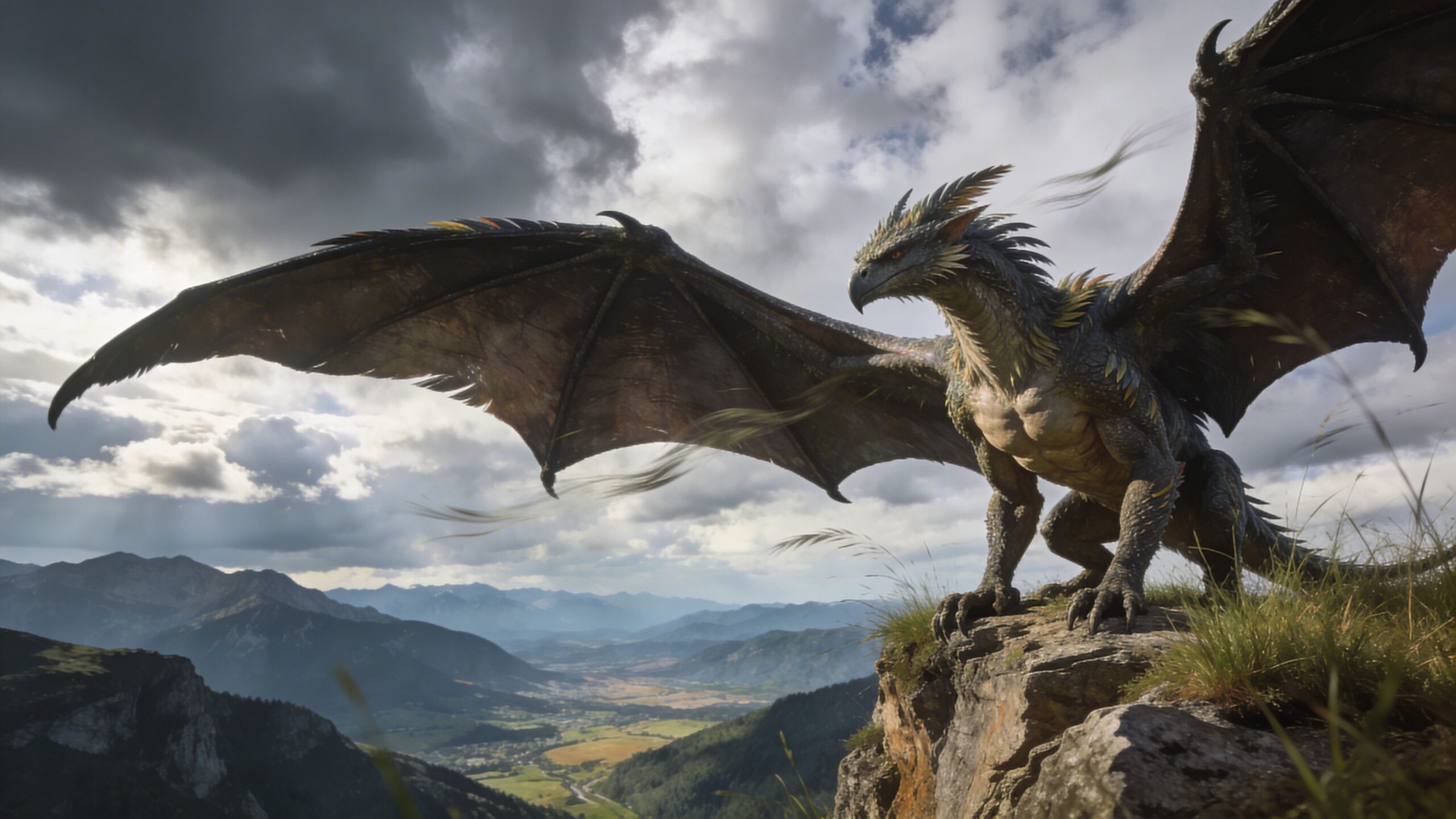
The skeleton acts as the foundation of that structure. Bones determine posture, balance, and overall body shape. A creature with a heavy torso must have limbs capable of supporting its mass. A fast predator needs limbs built for speed and efficient stride mechanics. A flying animal requires lightweight structure and strong support for its wings. These principles are not arbitrary; they follow the same physical constraints that shape real animals.
Muscles are the second layer of anatomical logic. Muscles create movement by pulling on bones, allowing creatures to run, climb, leap, or fly. A predator that relies on explosive speed will likely have powerful hindquarters. A climbing creature may develop strong forelimbs and gripping digits. Even subtle muscle placement can communicate a creature’s lifestyle. Thick neck muscles might indicate biting strength, while a flexible torso could suggest agility.
Understanding anatomy helps designers avoid creating creatures that feel physically impossible. When bones and muscles appear connected in believable ways, the body begins to make sense as a functional organism.
Biomechanics and Movement
Biomechanics is the science of how living bodies move. It combines anatomy with physics to explain how muscles, joints, and limbs produce motion. In creature design, biomechanics is crucial because movement reveals whether a body truly works.
Animals move in ways that conserve energy while maximizing effectiveness. Running creatures often have spring-like limbs that store and release energy with each stride. Climbing animals may have flexible joints and strong gripping appendages. Aquatic animals develop streamlined bodies that reduce drag in water. Flying animals face one of the most demanding challenges, requiring large wings and powerful muscles to generate lift.
When fantasy creatures move in ways that reflect biomechanical principles, they feel far more convincing. A giant creature cannot sprint effortlessly if its body mass would realistically slow it down. A winged predator must have wings large enough to support its weight. A creature that climbs vertical cliffs should have anatomy suited for gripping and pulling. Movement also contributes to storytelling. The way a creature walks, stalks, or flies can reveal personality and ecological role. A slow, heavy stride may communicate power and dominance, while light, quick steps may suggest stealth or caution.
Evolution Shapes Every Creature
Evolution is another key scientific principle behind realistic creature design. Evolution explains how species change over time in response to environmental pressures. Traits that improve survival and reproduction tend to become more common in a population, while less useful traits fade away.
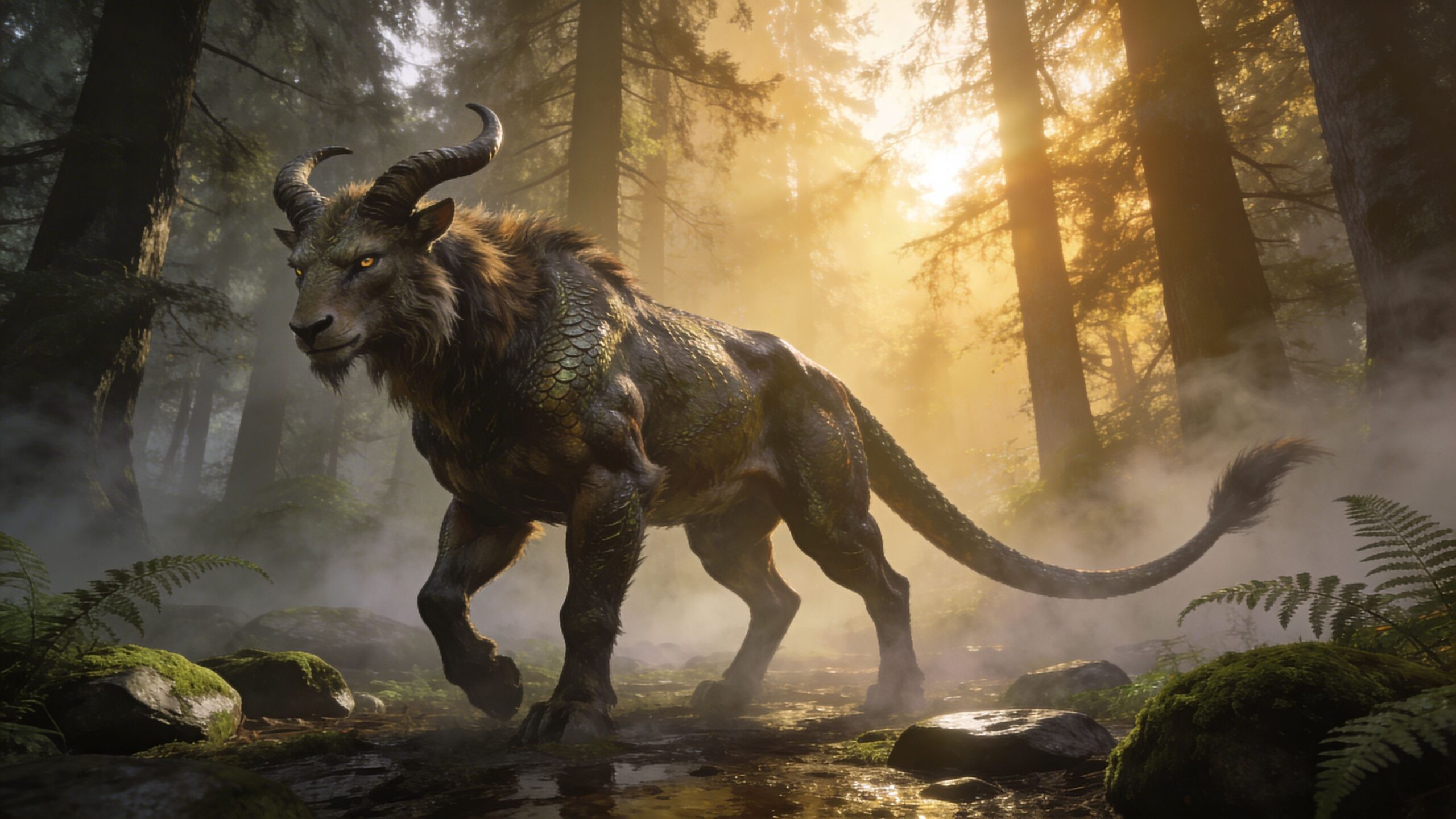
When designing fantasy creatures, thinking in evolutionary terms can make the design feel more authentic. Instead of asking only what looks impressive, creators can ask why a particular feature might exist. Why does a creature have horns? Perhaps they evolved for defense or territorial combat. Why does it have thick armor? Maybe it lives among dangerous predators or harsh terrain.
Evolution also introduces tradeoffs. A creature cannot be perfect at everything. Heavy armor may provide protection but reduce speed. Large wings may enable flight but require significant energy to maintain. These compromises mirror the realities of biological evolution and help fantasy creatures feel grounded in a believable world.
Imagining evolutionary history can also enrich worldbuilding. A creature might share anatomical traits with related species, suggesting a common ancestor. A group of creatures may occupy different ecological niches within the same environment, reflecting evolutionary divergence.
Ecology and Habitat
Ecology studies how organisms interact with their environment. For creature design, ecology is one of the most powerful tools for creating believable species. Every environment presents challenges, and animals evolve features that help them survive in those conditions.
A desert predator may have heat-resistant skin and efficient water conservation. A mountain creature might develop powerful lungs and strong gripping limbs for navigating rocky terrain. Swamp-dwelling animals may evolve wide feet for stability in mud and camouflage that blends into reeds and water.
These environmental adaptations often influence multiple aspects of anatomy. Fur thickness, skin texture, coloration, limb length, and even eye structure may change depending on habitat. By designing creatures whose bodies clearly reflect their environments, creators strengthen the illusion that those creatures belong to a functioning ecosystem. Ecology also influences behavior. A forest predator may rely on stealth and camouflage, while a plains hunter may depend on speed and endurance. Aquatic creatures may ambush prey from below, while aerial predators might dive from above. The environment shapes not only what creatures look like, but how they live.
Sensory Systems and Perception
Animals experience the world through their senses, and those senses strongly influence their anatomy. Vision, hearing, smell, and other sensory abilities often leave visible clues in a creature’s body.
Eye placement is one of the most recognizable examples. Predators typically have forward-facing eyes that allow precise depth perception when hunting prey. Prey animals often have eyes positioned on the sides of their heads, giving them a wider field of view to detect danger.
Other sensory systems can be even more specialized. Bats navigate using echolocation, detecting objects through reflected sound waves. Sharks sense electrical signals produced by other animals. Many insects use antennae to detect chemical signals in the air.
In fantasy creature design, these ideas can inspire fascinating adaptations. A creature might detect heat, vibration, or magnetic fields. Its anatomy should reflect those abilities. Large ears may suggest acute hearing, while whisker-like structures might detect movement in darkness. These details help make creatures feel like fully realized organisms.
Size and Physical Limits
One of the most common challenges in creature design involves size. Fantasy creatures are often enormous, but size introduces serious biological challenges. As animals grow larger, their bodies must support greater weight and require more energy to survive.
Large animals typically evolve thicker bones, stronger joints, and more efficient respiratory systems. Their movement may also become slower or more deliberate because supporting mass requires more effort. These constraints explain why elephants and whales move differently from smaller animals.
Gravity also plays a role. A creature designed for a high-gravity world would likely develop stronger limbs and more compact body shapes. In low-gravity environments, animals might evolve longer limbs or lighter structures. Considering these physical limits helps keep creature design believable. Even fantastical giants become more convincing when their bodies reflect the challenges of supporting massive size.
Combining Real Animals for Inspiration
Many successful creature designs borrow traits from real animals. This technique allows creators to build on biological systems that already work. Instead of inventing anatomy entirely from scratch, designers can combine features from different species in creative ways.
A creature might borrow the stealth and muscular build of a big cat, the wings of a bat, and the armored skin of a reptile. By blending these features thoughtfully, the resulting design can feel both original and biologically plausible.
The key is to combine traits that make functional sense together. Simply attaching random animal parts rarely produces convincing results. Instead, creators should consider how the combined features interact. If a creature has wings, does it have the muscle structure needed to power them? If it has claws for climbing, does its limb arrangement support that behavior?
Nature provides an enormous catalog of anatomical solutions. Studying that catalog helps designers imagine new creatures that still feel grounded in biological reality.
The Balance Between Science and Imagination
While science provides powerful guidelines, creature design is ultimately an art form. The goal is not to reproduce existing animals exactly but to extend the principles of life into new possibilities. Fantasy creatures should feel plausible, but they should also surprise and inspire.
The best designs strike a balance between realism and creativity. Scientific understanding ensures that anatomy and behavior make sense, while imagination pushes beyond familiar forms. A creature might possess unusual sensory abilities, dramatic coloration, or unique structural features that do not exist in nature but still feel consistent with biological logic. This balance allows fantasy worlds to feel rich and immersive. Audiences can believe in creatures that are extraordinary because those creatures still follow recognizable patterns of life.
Why Realistic Creature Design Matters
Realistic creature design does more than make fantasy creatures look convincing. It strengthens storytelling and worldbuilding. When creatures feel like true organisms, they become part of the world’s ecosystem. They hunt, migrate, reproduce, and interact with other species.
This depth makes fictional worlds feel more complete. Instead of isolated monsters appearing for dramatic effect, creatures become inhabitants of living environments. Their anatomy and behavior suggest histories, relationships, and ecological roles.
Ultimately, the science behind realistic creature design reveals that imagination and knowledge are not opposites. They work best together. By studying anatomy, evolution, physics, and ecology, creators gain the tools to design creatures that feel both wondrous and believable. When science guides fantasy, creatures no longer seem like inventions. They feel like discoveries waiting to be made.