Why Some Fantasy Creatures Feel Alive
The most memorable fantasy creatures are rarely memorable because they are simply strange. They stay with us because they feel alive. A dragon that looks as though it could truly launch from a mountainside, a forest hunter that seems perfectly adapted to shadows and roots, or a swamp beast that appears born from mud and reeds can capture the imagination in a way that random design never does. That sense of realism gives fantasy power. It invites people to believe, even for a moment, that these impossible beings might exist somewhere beyond the edge of the known world. What creates that effect is anatomy. Beneath every believable fantasy creature is a body that feels functional. Bones support weight. Muscles explain motion. Eyes, teeth, claws, wings, and tails all seem to serve a purpose. Even when the creature is magical or wildly imaginative, it still appears to obey some deeper internal logic. The result is not less fantasy. It is stronger fantasy. Creature anatomy basics matter because they help transform ideas into lifeforms. A creature that merely looks dramatic can still feel empty. A creature with believable anatomy feels discovered rather than invented. That difference is what makes creature design so exciting in fantasy art, storytelling, and worldbuilding.
A: Consistent anatomy, believable movement, clear function, and habitat-driven design.
A: Start with the skeleton, posture, and movement before adding surface details.
A: Muscles explain power, speed, motion, and the creature’s physical identity.
A: Not perfectly, but they feel stronger when they follow internal biological logic.
A: Their limbs, balance, size, or abilities may ignore body mechanics and purpose.
A: Habitat shapes body covering, senses, feeding style, and movement strategy.
A: Yes, because purposeful features feel more natural and memorable.
A: Tradeoffs make creatures believable because strength in one area often creates limits in another.
A: Yes, especially when magical traits still connect to the body’s overall design logic.
A: Build from function first and let the visual wonder grow from anatomy that makes sense.
Start With the Skeleton
The first major secret behind believable creature design is simple: start with the skeleton. Every creature, whether it is a real animal or an imaginary beast, needs a structural foundation. The skeleton determines posture, shape, balance, and the range of possible motion. If the frame makes sense, the creature has a strong chance of feeling real. If the frame feels unstable or disconnected, even the most beautiful surface details may not save it.
The skeleton tells us what a creature can do. A large heavy beast needs strong support, usually with thick bones and stable joints. A fast runner needs limb proportions that favor speed and stride length. A gliding or flying creature needs a lighter frame with strong attachment points for wings. A burrowing creature often needs dense front limbs and a reinforced shoulder structure. These choices are not decorative. They are the body’s engineering.
In fantasy design, this is where imagination begins to gain discipline. A creature may have six limbs, a massive horned skull, or a serpentine spine, but those features should still connect to the idea of support and motion. The bones should look like they belong to the same organism. When the skeleton feels unified, the creature immediately gains credibility.
Muscles Turn Structure Into Motion
Once the skeletal framework is in place, muscles become the next essential building block. Muscles explain how a creature moves, hunts, escapes, climbs, swims, or fights. They are what turn a static shape into a living body. A creature with believable musculature feels ready to move at any moment, even in a still image.
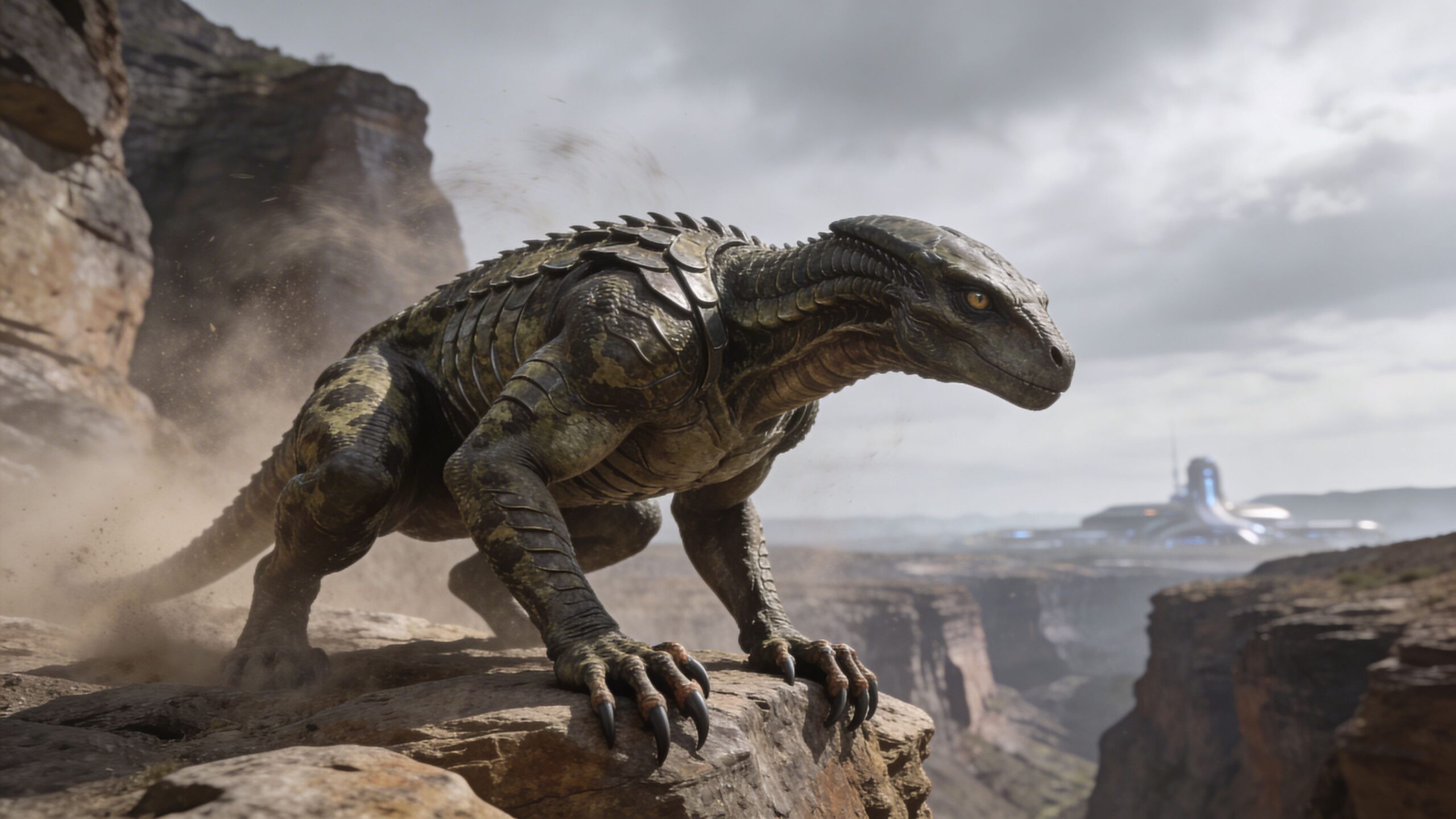
Muscle placement should match behavior. A pouncing predator may have powerful hindquarters and flexible hips. A climbing creature may need strong forelimbs, gripping digits, and a torso that supports pulling movements. A flying animal needs a muscular chest and shoulders to drive its wings. A giant beast may carry thick neck muscles and heavy support structures around the legs and spine. Each choice should reflect how the creature survives in its environment. Muscles also shape silhouette. Broad shoulders can suggest power. Lean limbs may suggest speed. Thick tails may indicate balance or strength. Even before a creature acts, its musculature hints at what it is capable of doing. That is why great fantasy creatures often feel convincing at a glance. Their bodies already contain the story of their movement.
Limbs, Joints, and the Mechanics of Motion
Fantasy creatures often succeed or fail based on how well their limbs make sense. Legs, arms, wings, fins, claws, and talons are not just exciting details. They are tools that connect the creature to its environment. The shape and position of those tools determine whether the creature appears believable.
Joints are especially important. They define the direction and limits of movement. A limb that bends in a strange way can look creative, but it should still feel mechanically useful. If a creature runs on four legs, those legs need to support coordinated motion. If it climbs cliffs, its limb structure should help it grip and pull upward. If it swims, the limbs may need to flatten, paddle, or steer. The better the mechanics, the more real the creature feels.
Good creature anatomy often begins by asking a practical question: how does this body move through the world? Once that answer becomes clear, limb design becomes easier. A swamp stalker might have splayed feet and a low body. A mountain leaper may have spring-loaded hind legs and a balancing tail. A forest glider could have membrane-supported limbs and grasping digits for landing. Movement gives anatomy purpose, and purpose gives fantasy credibility.
Heads, Faces, and Feeding Design
The head is usually the most expressive part of a creature, but it is also one of the most informative. Skull shape, jaw size, eye placement, teeth, horns, beaks, and facial armor all reveal something about how a creature survives. The design of the head should tell us what the creature senses, how it feeds, and how it might defend itself.
Forward-facing eyes often suggest predator behavior because they support depth perception. Side-facing eyes suggest a broader field of vision, which is useful for prey animals. Large eye openings may hint at night activity, while smaller protected eyes may suggest burrowing or armored lifestyles. Teeth tell similar stories. Sharp tearing teeth imply flesh-eating habits. Flat grinding surfaces suggest herbivory. Long curved fangs may indicate gripping prey or delivering venom. A believable creature’s mouth should match its diet and hunting style. If it swallows prey whole, its jaws and neck should support that behavior. If it crushes shells or bone, the skull should feel powerful and reinforced. Even the strangest fantasy beasts become more convincing when their feeding structures appear adapted to a specific role in the ecosystem.
Skin, Fur, Scales, and Armor
Surface design is where fantasy creatures often become visually unforgettable, but the outer body should do more than look impressive. Skin, scales, fur, feathers, and armor all serve biological purposes. They help control temperature, protect against injury, reduce water loss, provide camouflage, or communicate status. The best fantasy creature designs use surface detail as a natural extension of anatomy rather than as random decoration.
A cold-climate creature may have thick insulating fur or layered feathers. A desert creature might display tough heat-resistant skin and muted tones that blend with stone and sand. A swamp species could have slick moisture-retaining skin and patterning that vanishes into murky vegetation. Armored plates may appear in regions that need extra defense, while softer flexible tissue may remain around joints where movement is essential.
This is also where creativity can shine. A fantasy creature might have bark-like skin, iridescent scales, glowing patches, or horn-like ridges, but those features become more powerful when they serve a purpose. Perhaps the glow attracts prey. Perhaps the ridges channel rainwater away from the eyes. Perhaps the coloration is used in mating displays or territorial warnings. Realism grows when beauty and usefulness work together.
Tails, Wings, Horns, and Other Specialized Features
Fantasy creatures often become iconic because of specialized structures. Wings, tails, horns, crests, frills, fins, spines, and tusks can define the entire visual identity of a beast. Yet those structures are strongest when they are treated as functional anatomy instead of added spectacle.
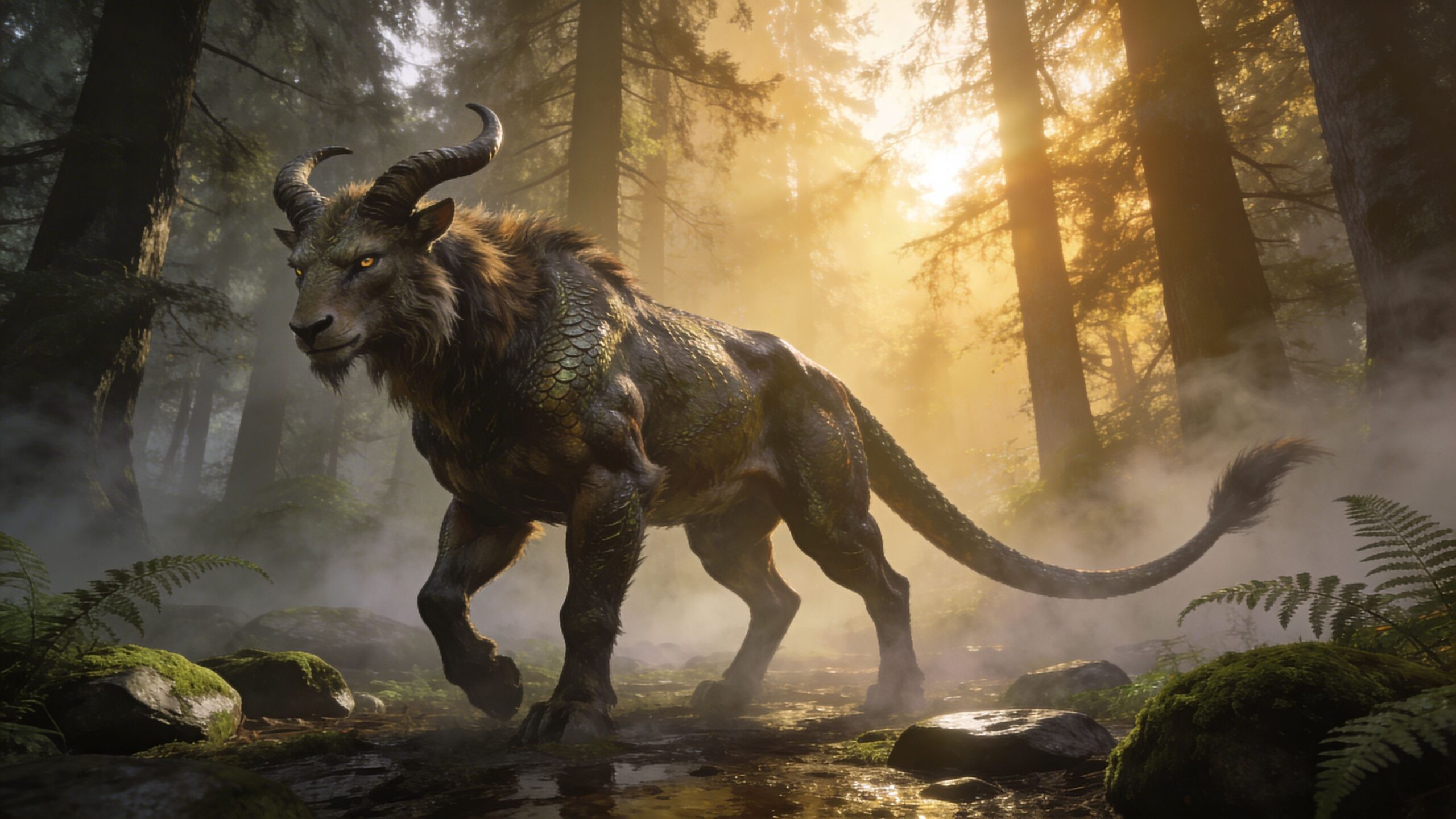
A tail may help balance a fast-moving predator, stabilize a climber, steer a swimmer, or serve as a weapon. Wings must look connected to the body in a believable way, with enough muscle and support to suggest lift and control. Horns may be used for combat, defense, display, or digging. Frills can signal dominance, release heat, or intimidate threats. Even decorative-looking features often become more convincing when they have an ecological role. The key is integration. Specialized body parts should feel as though they grew naturally from the creature’s body plan. They should not seem attached as an afterthought. When a tail supports motion, wings connect to the chest and shoulders, and horns affect how the neck and skull are built, the creature begins to feel like a complete organism.
Senses Shape Behavior
A creature’s anatomy is not only about what it looks like. It is also about how it experiences the world. Sensory systems can make fantasy creatures feel much more believable because they explain how a species finds prey, avoids danger, communicates, and navigates its environment.
Eyes are the most obvious example, but they are only part of the picture. Large ears may help a nocturnal hunter track movement in darkness. Sensitive whiskers could assist cave creatures in navigating tight spaces. Heat-sensing pits might allow predators to detect warm-bodied prey. Aquatic animals may sense pressure changes in water. Flying hunters may require extraordinary distance vision and rapid reflexes. These details shape not just anatomy but personality and behavior.
When a creature’s senses match its habitat, everything becomes stronger. A forest ambusher might rely on silent movement and directional hearing. A marsh giant could detect vibrations through mud and shallow water. A cave-dwelling predator may have reduced vision but heightened touch and scent. These choices make creatures feel designed by their world rather than simply placed into it.
Habitat Is One of the Greatest Designers
No creature exists apart from its environment. Habitat is one of the most important influences on anatomy, and fantasy creatures become more convincing when their bodies clearly reflect where they live. Climate, terrain, food sources, predators, and competition all shape form over time.
A mountain creature may evolve broad gripping feet, powerful lungs, and weather-resistant covering. A jungle hunter may favor agility, camouflage, and flexible limb mechanics for climbing and stalking. A desert species may conserve moisture, shield itself from heat, and travel efficiently across open space. A coastal predator may combine aquatic and terrestrial traits, allowing it to move between surf and shore. Even fantastical settings such as volcanic regions, floating islands, or glowing fungal forests should impose consistent physical pressures on the creatures that live there. This habitat-driven thinking is what separates shallow creature design from immersive worldbuilding. A creature that fits its environment feels like a native species. It feels shaped by its surroundings, by scarcity, by danger, and by opportunity. That relationship between body and habitat is one of the strongest ways to make fantasy creatures feel real.
Growth, Reproduction, and Life Cycle
Creatures feel even more realistic when they seem to have lives beyond their adult form. Real species grow, change, mate, age, and adapt across different life stages. Fantasy creatures become richer when designers think about the same questions.
Does the species hatch from eggs, emerge from a larval form, or give birth to live young? Do juveniles occupy different habitats than adults? Are young more brightly colored, more vulnerable, or more social? Does the creature gain horns, armor, wings, or new coloration as it matures? These life cycle details can add depth and realism to a fantasy species without requiring the design to become overly complex.
Life stages also help explain anatomy. A species may begin life in water and later move to land. A young predator may feed on insects or carrion before becoming a large hunter. A defensive structure that is absent in youth may develop later as part of competition or mating. Thinking through growth makes creatures feel as though they truly belong to a living world.
Tradeoffs Make Anatomy Believable
One of the greatest principles in creature design is that every advantage usually comes with a cost. This is true in real biology, and it helps fantasy creatures feel real as well. Strength may reduce speed. Armor may limit flexibility. Flight requires lightness. Huge size demands enormous energy and strong support systems. Venom, camouflage, horns, and display structures all come with tradeoffs of some kind.
A fantasy creature becomes more convincing when it is not perfect at everything. A winged hunter may be fast in the air but awkward on the ground. A heavily armored beast may be unstoppable in close combat but vulnerable to exhaustion. A giant predator may dominate its prey but require massive hunting territory. These limitations create realism and make the species more interesting. Tradeoffs also help avoid cluttered design. Not every creature needs every exciting feature. In fact, creatures often feel stronger when they specialize. The more clearly a body is built around a particular lifestyle, the more memorable it becomes. Realism often comes from choosing the right strengths instead of adding endless ones.
Bringing Fantasy Creatures to Life
Creature anatomy basics are not about making fantasy less imaginative. They are about giving imagination a body that works. Bones create support, muscles create motion, limbs create interaction, senses create behavior, and habitat creates purpose. Once those parts begin to connect, a fantasy creature starts to feel alive.
That is why some creatures stay with us long after we first encounter them. They do not just look cool. They seem to breathe, hunt, adapt, and belong. We can imagine their tracks in wet earth, the sound of their wings overhead, or the way they vanish into stone, reeds, or forest shadow. That feeling comes from anatomy working quietly beneath the fantasy.
In the end, making fantasy creatures feel real is about respecting the logic of life while still embracing wonder. The goal is not to copy the natural world exactly. It is to learn from it deeply enough that your creatures feel as though they could step out of myth and into reality. When anatomy supports imagination, fantasy becomes unforgettable.