Why Anatomy Matters in Fantasy Creature Design
Fantasy worlds thrive on wonder, but wonder becomes far more powerful when it feels grounded. A dragon, swamp beast, cave hunter, or sky predator becomes memorable not only because it looks impressive, but because it seems alive. Readers, viewers, and players may not consciously analyze every limb and joint, yet they can instantly sense when a creature feels believable. That response is rooted in anatomy. The body tells the story before the creature ever moves, roars, hunts, or takes flight. Creature anatomy in fantasy design is really about building internal logic. The question is not whether a creature exists in real life, but whether it could make sense in its own world. Bones must support weight, muscles must explain movement, senses must match habitat, and surface features should serve a purpose. The more these pieces work together, the more the creature feels like a real species rather than a random collection of exciting parts. That is why the best fantasy creatures often borrow from biology. Nature already provides extraordinary examples of structural efficiency, survival strategies, and strange beauty. When creators study the physical rules that shape real animals, they gain a toolkit for designing new beings that feel both imaginative and convincing. Fantasy grows stronger when it understands reality well enough to bend it with purpose.
A: Start with the body structure, especially the skeleton, posture, and movement style.
A: Anatomy makes creatures feel alive, functional, and naturally connected to their environment.
A: They do not need strict realism, but they benefit from believable biological logic.
A: Combine real functional traits in new ways and give every major feature a purpose.
A: Yes, functional features make the design more convincing and memorable.
A: Their limbs, mass, movement, or surface features may ignore body mechanics and habitat demands.
A: Habitat shapes body covering, limbs, senses, feeding systems, and movement strategies.
A: Yes, especially when magical traits are built into the creature’s overall body logic.
A: A strong silhouette, functional anatomy, clear ecological role, and a sense of living history.
A: Build from function first, then let visual wonder grow from that foundation.
The Skeleton Is the First Great Blueprint
Every believable creature begins with structure. Beneath scales, fur, feathers, skin, or armor lies a framework that supports the body and determines how it moves. In fantasy creature design, the skeleton is the first major building block because it shapes posture, balance, weight distribution, and the limits of motion. A body without a believable structure may look dramatic, but it will rarely feel alive.
The shape of the skeleton also communicates role and behavior. A heavily built creature with thick limb bones suggests strength, durability, and mass. A light-framed animal with long limbs suggests speed or agility. A crouched spine can imply stalking behavior, while an upright posture may communicate dominance or intelligence. The skeleton quietly defines the personality of the creature long before color or expression enters the design.
In fantasy worlds, this becomes especially important when designing animals that are larger, stranger, or more specialized than anything in real life. If a creature is enormous, its bones must seem strong enough to hold its mass. If it flies, the structure must feel light enough and balanced enough to make flight plausible within the world’s rules. If it burrows, climbs, swims, or glides, the skeleton should reflect those demands. Good creature design starts from the inside out.
Muscles Give the Creature Motion and Power
Once the skeletal framework is established, the next building block is muscle. Muscles turn structure into action. They explain how a creature runs, leaps, grapples, glides, climbs, or tears through a landscape. Without believable musculature, even a strong skeletal concept can feel empty. Muscles are what make anatomy feel functional.
A creature’s muscles also reveal its lifestyle. Thick hindquarters may suggest explosive jumping or sprinting power. Dense shoulders and forelimbs can imply digging, climbing, or grappling strength. A broad chest might support powerful breathing or the muscular demands of flight. Even the tension of the neck and tail can hint at fighting style, feeding behavior, or balance. These details help a fantasy creature feel specialized rather than generic. Musculature also affects silhouette, and silhouette is one of the most important tools in visual design. A powerful beast should not only be powerful in theory. It should look powerful at a glance. Great fantasy creature design often comes from understanding where real animals store force and how those forms create visual identity. A believable body is not merely decorated with muscles. It is shaped by them.
Joints, Limbs, and the Logic of Movement
Limbs are among the most expressive parts of a creature’s anatomy because they show how the body interacts with the world. A creature that prowls through forests, climbs crags, or launches from cliffs will not be built like one that crashes through marshes or stalks prey in open plains. Joint placement, limb length, paw or claw shape, and body posture all reveal movement strategy.
Fantasy creatures often fail when they are given impressive limbs that do not seem usable. Extra joints, giant claws, backward-bending legs, or oversized forearms can be visually interesting, but they need a functional purpose. If a creature has long curved claws, what terrain do they help it grip? If it has four front limbs, how do those limbs affect its speed, turning radius, or hunting method? If it stands upright, where is its center of gravity and how does it remain stable?
Movement is one of the greatest tests of anatomical believability. The body plan should support the creature’s most important actions. A cliff-dwelling predator may need compact muscles, gripping digits, and a flexible spine. A swamp ambush hunter might need a low profile, wide stance, and smooth explosive motion. A sky hunter requires limb modifications that make lift, balance, and landing feel convincing. The fantasy may be limitless, but movement should always follow design logic.
Heads, Skulls, and Feeding Systems
The head often becomes the emotional and symbolic center of a creature, but it is also one of the most biologically informative parts of anatomy. Skull shape, jaw size, eye placement, teeth arrangement, horn structure, and facial armor all communicate how a creature survives. In fantasy worlds, the head can be wildly imaginative, but it still works best when it answers practical questions. A predator’s skull may feature forward-facing eyes for depth perception and strong jaw anchoring for biting force. A scavenger might have a narrower skull and tearing beak. A grazer could have side-facing eyes and flatter chewing surfaces. Even creatures with magical or unusual feeding methods can benefit from anatomical clues. If a beast crushes shell-like prey, its jaw mechanics should suggest crushing power. If it swallows prey whole, its neck and skull design should support that function.
The mouth is especially important because it links design with ecology. Teeth are not just decoration. They imply diet. Fangs, grinding plates, hooked beaks, filter-feeding structures, venom channels, and grasping mandibles all tell different stories. The best fantasy creatures often feel real because their feeding systems appear adapted to a specific niche within their world.
Skin, Scales, Fur, Feathers, and Armor
The outer body covering is where fantasy creature design often becomes visually striking, but surface detail works best when it grows from deeper biological reasoning. Skin is not just an aesthetic layer. It protects, insulates, camouflages, displays, senses, and helps regulate heat and moisture. In a strong fantasy design, the outer covering reflects the creature’s environment and lifestyle.
Scales may suggest protection, water resistance, or dry-climate survival. Fur implies insulation and often points to cold or nocturnal habitats. Feathers might signal temperature regulation, display behavior, or aerial specialization. Thick hide, bony plates, or layered armor may indicate a creature adapted to dangerous rivals, harsh terrain, or slow-moving but powerful defense. Even slime, translucence, iridescence, or rough bark-like textures can serve believable functions if connected to ecology.
This is also where creators can blend realism with spectacle. A creature can have radiant markings, elaborate crests, or armored ridges, but those traits become much more memorable when they serve a purpose. Perhaps the crest releases heat, the markings attract mates, or the armor protects vital organs while leaving joints flexible. Fantasy anatomy becomes stronger when the beautiful and the useful are the same thing.
Tails, Wings, Horns, and Specialized Structures
Many fantasy creatures become iconic because of their specialized body parts. Wings, tails, horns, frills, tusks, fins, spines, and crests often define a creature’s silhouette and mythology. Yet these features are most effective when treated as functional structures rather than visual extras. In the anatomy of fantasy worlds, specialized traits should emerge from need, adaptation, or behavior.
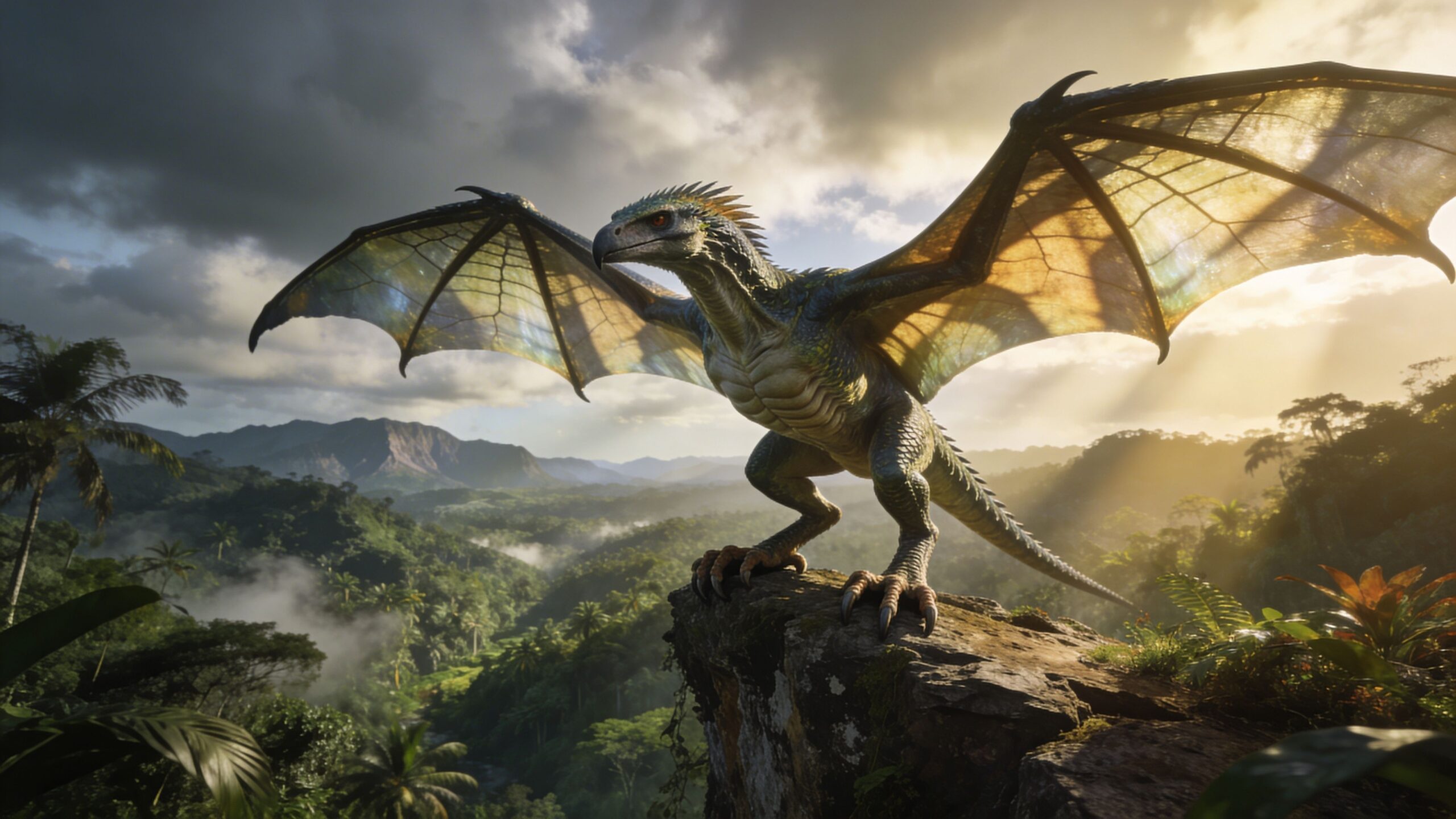
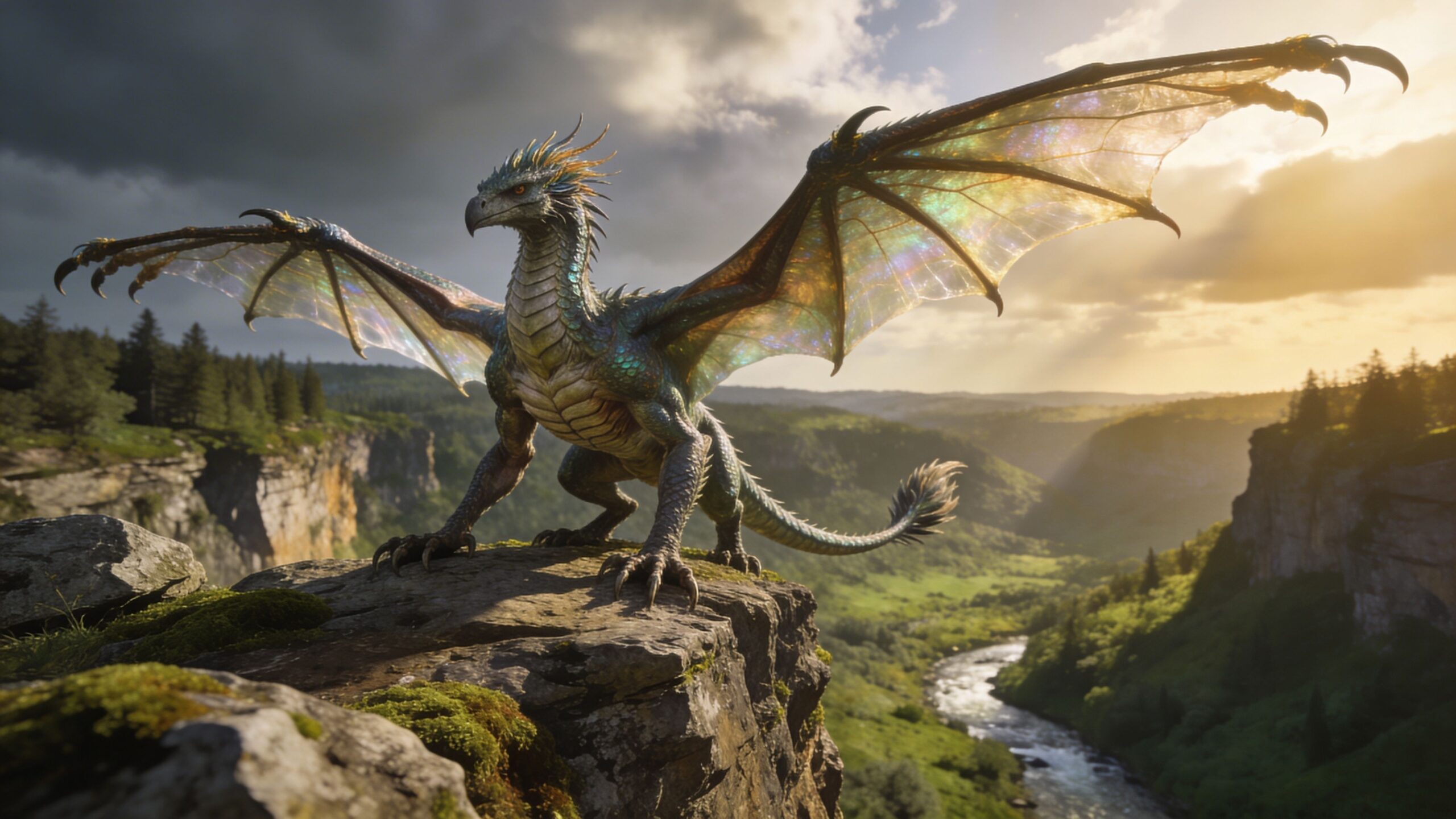
A tail may balance a running predator, steer a gliding creature, stabilize a climber, or act as a weapon in combat. Wings must do more than look grand. They need enough support, surface area, and muscular power to suggest believable motion. Horns may be used for dominance displays, ritual combat, defense, or digging. Frills can intimidate enemies, regulate temperature, or signal mating status. Every striking feature becomes more compelling when it answers a survival question. This is one of the most exciting areas of creature design because it allows fantasy to push beyond familiar biology while still retaining coherence. A creator can imagine extraordinary structures, but those structures should still feel like they belong to the body. The more naturally they integrate with posture, movement, and ecology, the more unforgettable the final design becomes.
Senses and Perception Shape Behavior
A creature’s world is defined not only by how it moves, but by how it perceives. Sensory systems are often overlooked in fantasy anatomy, yet they are among the most important building blocks of a believable species. Eyes, ears, nostrils, whiskers, heat pits, antennae, vibration receptors, and pressure-sensitive skin all shape behavior and survival.
A cave predator may have reduced vision but highly tuned hearing and touch. A desert hunter might rely on scent and motion detection at long distances. A nocturnal forest creature could have large light-gathering eyes and silent movement. Aquatic species may sense changes in water pressure. Flying predators might require excellent distance judgment and fast reflex processing. These details influence not just how the creature looks, but how it behaves in scenes and stories.
Senses also make creatures more specific. Instead of a generic monster with sharp teeth and claws, you can create a species that tracks prey through heat signatures, communicates through low-frequency vibrations, or detects storms through shifts in atmospheric pressure. Those decisions enrich the creature and the world around it. They turn a design into a lifeform.
Habitat Is the Hidden Architect
One of the greatest secrets of creature anatomy is that environment acts like a silent sculptor. Habitat shapes bodies over time. The landscape, climate, available food, predators, and competition all influence anatomy. In fantasy worlds, habitat should be treated as one of the strongest forces in creature design.
A mountain creature may develop gripping feet, dense lungs, weather-resistant covering, and a strong sense of balance. A swamp-dwelling hunter might evolve wide feet, moisture-tolerant skin, and coloration that vanishes in murky reeds. Arctic species may have compact shapes, insulating layers, and seasonal camouflage. Cave creatures may lose pigment and gain heightened sensitivity elsewhere. Even magical or extreme settings should impose consistent pressures. A volcanic land, floating archipelago, crystal desert, or glowing fungal forest would all shape species in different ways. When a creature fits its habitat, it instantly feels more believable. It no longer appears as though it has been dropped into the world from nowhere. It feels born of that place. That connection between body and environment is one of the defining marks of strong fantasy design.
Growth, Reproduction, and Life Cycle
Fantasy creatures often feel thin when they are designed only as adults. Real organisms have life cycles, and those cycles can add enormous depth to worldbuilding. Thinking about growth stages, mating behavior, offspring, aging, and seasonal change helps transform a creature from a visual concept into a species.
A young creature may look and behave differently from its adult form. It may live in a different habitat, eat different food, or avoid risks until it matures. Some species may undergo dramatic transformations, developing wings, crests, horns, color changes, or stronger armor as they age. Others may begin in aquatic environments and migrate to land, or shift from vulnerable prey to dominant hunter. These stages make fantasy creatures more dynamic and interesting.
Reproduction also affects anatomy. Nesting animals may have protective structures or mating displays. Egg-layers may build bodies differently from live-bearing species. Seasonal breeding may influence coloration, size, or behavior. These details are not always visible at first glance, but they create a richer sense of life behind the design.
Evolution and Tradeoffs Make Creatures Believable
One of the strongest building blocks in fantasy creature anatomy is the idea of tradeoff. Real biology is full of compromise. Strength often comes at the cost of speed. Armor may reduce agility. Flight demands lighter frames. Large size requires more energy and stronger support systems. When fantasy creatures reflect these tradeoffs, they feel far more believable.
Evolution is a useful way to think through design because it forces each feature to justify itself. Why does this creature have a long neck? Why are its forelimbs oversized? Why does it use camouflage instead of brute force? Why does it have heavy armor in one region but not another? Once those answers begin to emerge, the creature feels shaped by history rather than by random choice. This does not mean fantasy must be limited to realism. It means that even extraordinary designs benefit from internal cause and effect. The most imaginative creature often feels the most real because every strange trait has a reason to exist. That balance between surprise and logic is where truly great creature design lives.
Building Wonder From Biological Truth
The building blocks of creature anatomy in fantasy worlds are not merely bones, muscles, skin, and senses. They are structure, function, adaptation, and consequence. A memorable creature feels as though it belongs to its environment, obeys the demands of its body, and has been shaped by forces larger than itself. That is what gives fantasy anatomy its power.
When creators ground their designs in biology, they do not lose wonder. They gain it. Suddenly a horn is not just dramatic. It has purpose. A tail is not just stylish. It stabilizes motion. Wings are not just beautiful. They demand strength, lightness, and behavioral adaptation. Every anatomical choice becomes part of a living system. That system makes the creature feel discovered rather than invented.
In the end, the greatest fantasy creatures succeed because they blend the impossible with the plausible. They use the language of life to speak in the voice of myth. They feel ancient, adapted, dangerous, and alive. And that is why anatomy remains one of the most powerful tools in all of fantasy worldbuilding.