Why Realistic Monster Anatomy Matters
The monsters that capture our imagination most powerfully are often the ones that feel believable. Whether appearing in films, video games, novels, or concept art, creatures with convincing anatomy seem alive rather than invented. Realistic monster anatomy allows audiences to suspend disbelief and imagine that these creatures might truly exist somewhere in the vast unknown corners of the world—or perhaps beyond it.
The secret lies in grounding fantasy within the rules of biology and physics. A monster does not need to be scientifically possible in every detail, but its structure must feel plausible. When a creature’s bones support its body weight, when its muscles explain its movements, and when its design reflects environmental adaptation, the monster begins to feel real. Artists, writers, and creature designers often look to the natural world for inspiration because evolution has already produced countless anatomical solutions to survival challenges.
Understanding monster anatomy also adds depth to storytelling. A creature designed with careful biological logic will influence how it hunts, moves, communicates, and interacts with its environment. These details transform monsters from simple threats into living organisms with purpose and behavior.
A: Logical bone structure, realistic muscles, and environmental adaptation.
A: Real animals, fossils, and evolutionary biology.
A: Yes, but they should still follow internal anatomical logic.
A: Skeletons determine posture and movement.
A: They explain how creatures move and exert strength.
A: Ecosystems help explain behavior and evolution.
A: Forward eyes improve depth perception for hunting.
A: Habitat shapes anatomy and survival traits.
A: Large mass requires strong structural support.
A: By studying wildlife anatomy and biomechanics.
The Foundation of Creature Design: Skeletal Structure
Every believable monster begins with a skeleton. Bones define the overall structure of the body, determine posture, and dictate how a creature moves. In real animals, skeletal systems evolved to support weight, protect organs, and provide leverage for muscles. The same principles apply when designing monsters.
Large creatures require strong skeletal frameworks capable of bearing massive loads. For example, elephants and dinosaurs evolved thick column-like legs that function almost like pillars supporting a building. If a fictional monster weighs several tons but stands on delicate limbs, the design may feel unrealistic. By studying skeletal structures of large animals, designers can ensure that monstrous creatures appear capable of supporting their own mass.
The skull is often the most distinctive skeletal element in monster design. Jaw structure, eye placement, and cranial shape all suggest a creature’s diet and behavior. Predators frequently have forward-facing eyes for depth perception and strong jaw muscles for gripping prey. Herbivores tend to have broader skulls and sideways-facing eyes to watch for predators. Applying these natural anatomical patterns helps a monster communicate its role within its ecosystem.
Muscles and Movement
While bones provide structure, muscles give creatures their power. Realistic monster anatomy relies on understanding how muscles attach to bones and how they enable movement. Muscular systems determine whether a creature moves with slow strength, explosive speed, or graceful agility.
Predatory monsters often feature powerful shoulder muscles and flexible spines that allow sudden bursts of speed. Animals such as cheetahs and wolves demonstrate how muscular design supports rapid acceleration. Translating similar anatomical principles to fantasy creatures creates motion that feels believable.
Muscles also influence body shape. Thick muscles around the neck and shoulders often signal strength, while leaner muscle arrangements suggest endurance or speed. Designers frequently exaggerate these features slightly to create dramatic silhouettes while still maintaining anatomical credibility.
Movement is perhaps the most important test of monster realism. If a creature’s body cannot logically perform the movements it is depicted making, the illusion breaks. By understanding how muscles drive locomotion—running, climbing, swimming, or flying—creators can design monsters that feel alive in motion.
Locomotion and Body Mechanics
Different creatures move through their environments in different ways, and their anatomy reflects those methods of locomotion. Monsters designed for running across open plains will have very different bodies from creatures adapted to climbing mountains or swimming in deep oceans.
Quadrupedal creatures often distribute their weight across four limbs, allowing them to carry larger bodies while maintaining stability. Many large fictional beasts borrow anatomical cues from animals such as lions, bears, or horses. Bipedal monsters, on the other hand, require strong hip joints and balanced center of gravity to remain upright. Studying human and dinosaur anatomy provides valuable insights for designing believable two-legged creatures.
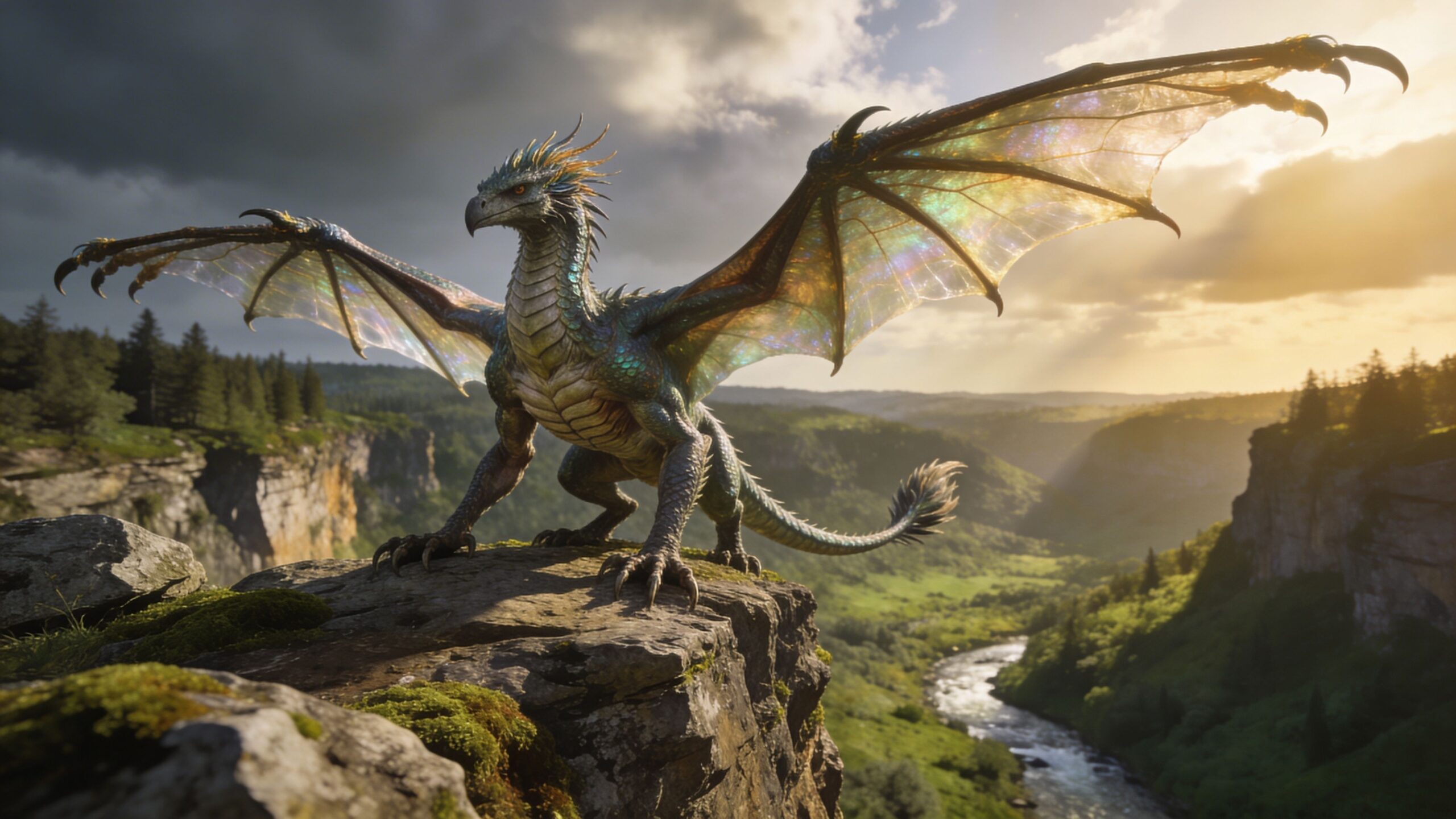
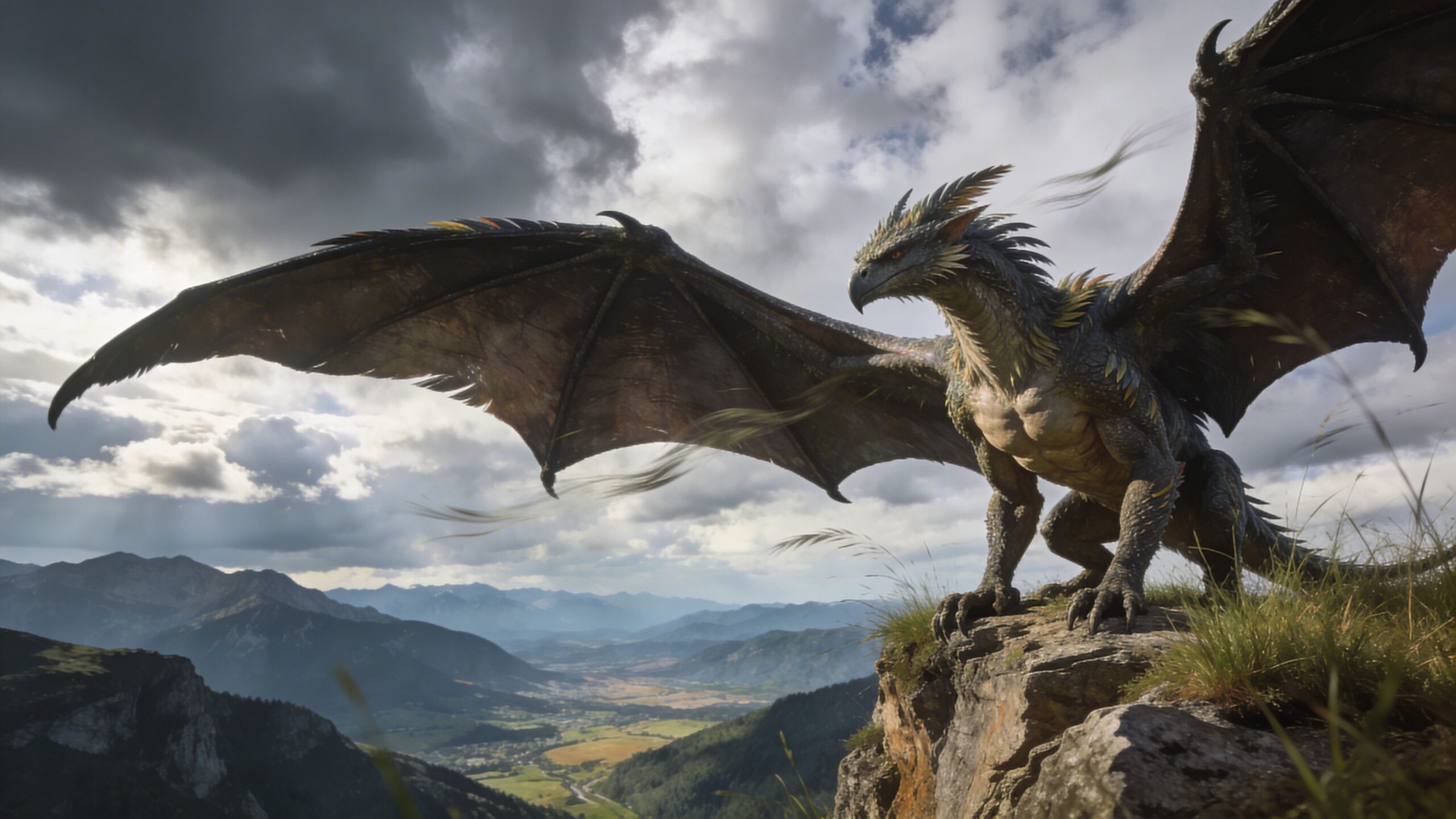
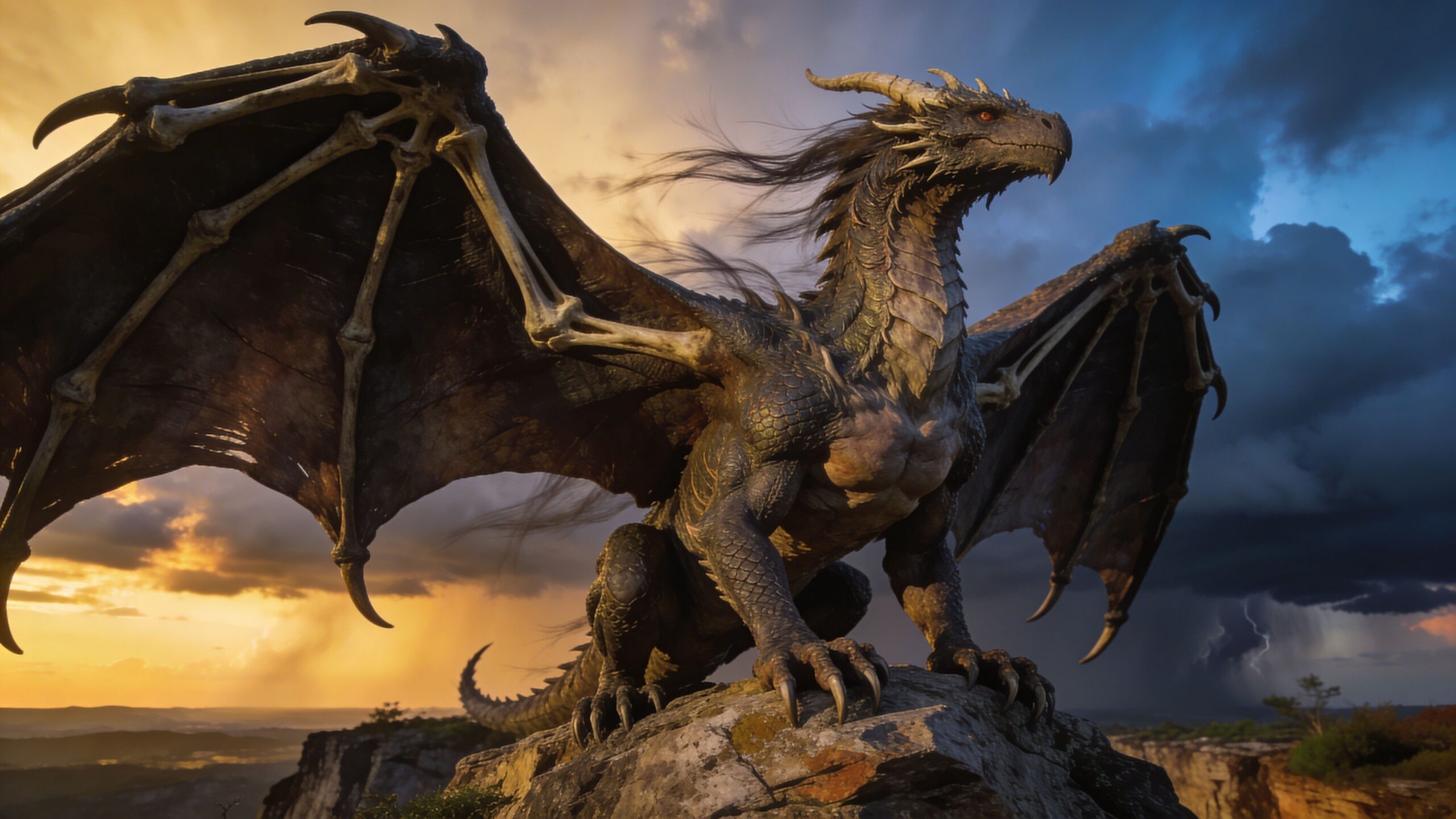
Aquatic monsters frequently feature streamlined bodies and fins or flippers that reduce drag in water. Marine animals such as sharks and whales illustrate how evolution shapes bodies for efficient swimming. Similarly, flying monsters must obey certain aerodynamic principles. Wings need sufficient surface area, strong attachment points, and lightweight structures to support flight. By aligning monster anatomy with realistic locomotion strategies, creators can design creatures that move convincingly within their environments.
Skin, Armor, and Surface Structures
The outer layer of a creature’s body often reveals important information about its lifestyle and habitat. Skin types vary widely across the animal kingdom, ranging from soft fur to rigid exoskeletons. Applying similar diversity to monster design enhances realism.
Scales commonly appear on reptilian monsters because they suggest durability and protection. Thick hides or armored plates may protect creatures living in harsh environments or facing dangerous predators. Fur, on the other hand, implies insulation and often appears on creatures inhabiting cold climates.
Surface structures can also serve specialized functions. Spines may deter predators, frills may display dominance, and bioluminescent patterns might help creatures communicate or hunt in darkness. Even subtle details such as scars, scratches, or worn textures can make a monster feel more authentic.
In realistic anatomy, the outer body layer is rarely decorative alone. Each feature typically serves a functional purpose that contributes to survival.
Environmental Adaptation
One of the most powerful secrets of believable monster anatomy is environmental adaptation. Every species on Earth evolves features that help it survive in its habitat. When monster designers apply this same concept, creatures begin to feel like natural inhabitants of their worlds.
Creatures living in deserts may develop thick skin that prevents moisture loss and long limbs that keep their bodies above hot ground. Arctic monsters might possess dense fur and compact body shapes that conserve heat. Jungle creatures often display camouflage patterns and flexible limbs for climbing through dense vegetation.
Even fictional environments can shape anatomy. Monsters inhabiting volcanic regions might evolve heat-resistant skin or internal cooling systems. Deep-sea creatures could feature pressure-resistant bodies and glowing organs that produce light. When anatomy reflects environmental pressures, monsters feel less like inventions and more like species shaped by evolutionary forces.
Sensory Systems and Perception
A creature’s sensory systems play a major role in how it interacts with the world. Vision, hearing, smell, and other specialized senses influence behavior and survival strategies. Designing unique sensory adaptations can make monsters more intriguing and believable.
Eye placement often reveals how a creature perceives its surroundings. Forward-facing eyes suggest a predator focusing on prey, while widely spaced eyes provide a broader field of view for detecting danger. Some creatures might evolve night vision or infrared sensing, allowing them to hunt in darkness.
Hearing structures can also vary dramatically. Large ears may help creatures detect distant movement, while smaller or hidden auditory systems might protect sensitive organs during combat or underwater travel.
Some monsters may even possess extraordinary senses. Bats use echolocation to navigate in darkness, and sharks detect electrical signals produced by prey. Incorporating similar sensory innovations into monster anatomy adds layers of realism and fascination.
Size and Biological Limits
Gigantic monsters are common in fantasy and science fiction, but size introduces biological challenges. As creatures grow larger, their anatomy must compensate for increased weight and energy demands. Massive animals require thick bones, strong joints, and powerful muscles to support their bodies. They also need efficient respiratory and circulatory systems capable of delivering oxygen throughout large tissues. Without these adaptations, enormous creatures would struggle to move or survive.
Gravity plays a critical role as well. Creatures living on planets with higher gravity would need sturdier structures, while those on low-gravity worlds might evolve lighter frames and longer limbs. By considering biological limits, designers can create giant monsters that still feel believable within the laws of physics.
Evolutionary Logic
Realistic monster anatomy often emerges from evolutionary thinking. Instead of designing creatures purely for appearance, creators imagine how those creatures might have evolved over time.
Evolution favors traits that improve survival and reproduction. Features that seem dramatic in monster design should also provide advantages. Large horns might help defend territory, powerful tails could act as weapons, and vibrant coloration might attract mates.
Designing creatures with evolutionary backstories adds richness to fictional ecosystems. Predators, prey, and scavengers all influence each other’s anatomical development. This interconnectedness creates a living world where monsters feel like genuine species rather than isolated designs.
The Balance Between Realism and Imagination
While realism is essential, monster design also thrives on creativity. The goal is not to replicate existing animals exactly but to combine familiar biological principles with imaginative twists. Successful monsters often blend recognizable anatomy with surprising features.
A creature might possess the skeletal structure of a mammal but display reptilian scales or insect-like wings. These combinations remain believable when they follow anatomical logic. Even fantastical elements such as glowing organs or unusual limb arrangements can work if they integrate with the overall body structure. Striking the right balance allows monsters to feel both extraordinary and convincing.
Why Anatomy Makes Monsters Memorable
The monsters that linger in cultural memory often owe their impact to thoughtful anatomical design. When a creature moves convincingly, interacts naturally with its environment, and displays features shaped by biology, audiences connect with it on a deeper level.
Realistic anatomy turns monsters into living beings rather than simple visual spectacles. It allows viewers and readers to imagine ecosystems where these creatures exist, hunt, and evolve. That sense of authenticity fuels curiosity and wonder, encouraging audiences to explore fictional worlds more deeply.
Ultimately, the secret of realistic monster anatomy lies in respecting the same natural principles that govern life on Earth. By studying bones, muscles, movement, and evolution, creators can craft creatures that feel astonishingly real—even when they belong to worlds far beyond our own imagination.