Introduction to Mythical Creatures
Mythical creatures have fascinated humanity for thousands of years, appearing in stories, art, religion, and oral traditions across nearly every culture on Earth. From fire-breathing dragons and majestic phoenixes to shadowy spirits and shape-shifting beasts, these creatures exist at the intersection of imagination, belief, and storytelling. But what exactly are mythical creatures, and why do they continue to capture our attention in both ancient myths and modern entertainment? At their core, mythical creatures are beings that originate in legends, folklore, or mythology rather than scientific reality. They often embody human fears, hopes, moral lessons, and interpretations of the natural world. Whether they are protectors, monsters, tricksters, or symbols of transformation, mythical creatures serve as powerful narrative tools that help societies explain the unknown and pass down cultural values. Understanding mythical creatures is more than just learning about fantasy. It is about exploring the stories that shaped civilizations and uncovering how imagination reflects the human experience.
A: No scientific evidence exists, but they hold cultural and symbolic significance.
A: Shared human experiences and storytelling patterns create similarities.
A: Dragons are among the most globally recognized.
A: Many appear in religious texts and spiritual traditions.
A: A being made from parts of different animals or humans.
A: To explain nature, teach lessons, and preserve culture.
A: No, cryptids are believed by some to exist in reality.
A: Yes, stories evolve with cultural shifts.
A: They inspire imagination and storytelling.
A: Begin with one culture or creature and expand from there.
The Definition of Mythical Creatures
A mythical creature is typically defined as a being that does not exist in the real world but is widely recognized within a cultural tradition. These creatures often possess supernatural abilities, unusual physical traits, or symbolic meanings that set them apart from ordinary animals.
Unlike fictional creatures created purely for entertainment, mythical creatures are deeply rooted in belief systems and cultural storytelling. Many were once considered real or were used to explain natural phenomena, such as storms, disease, or the changing seasons.
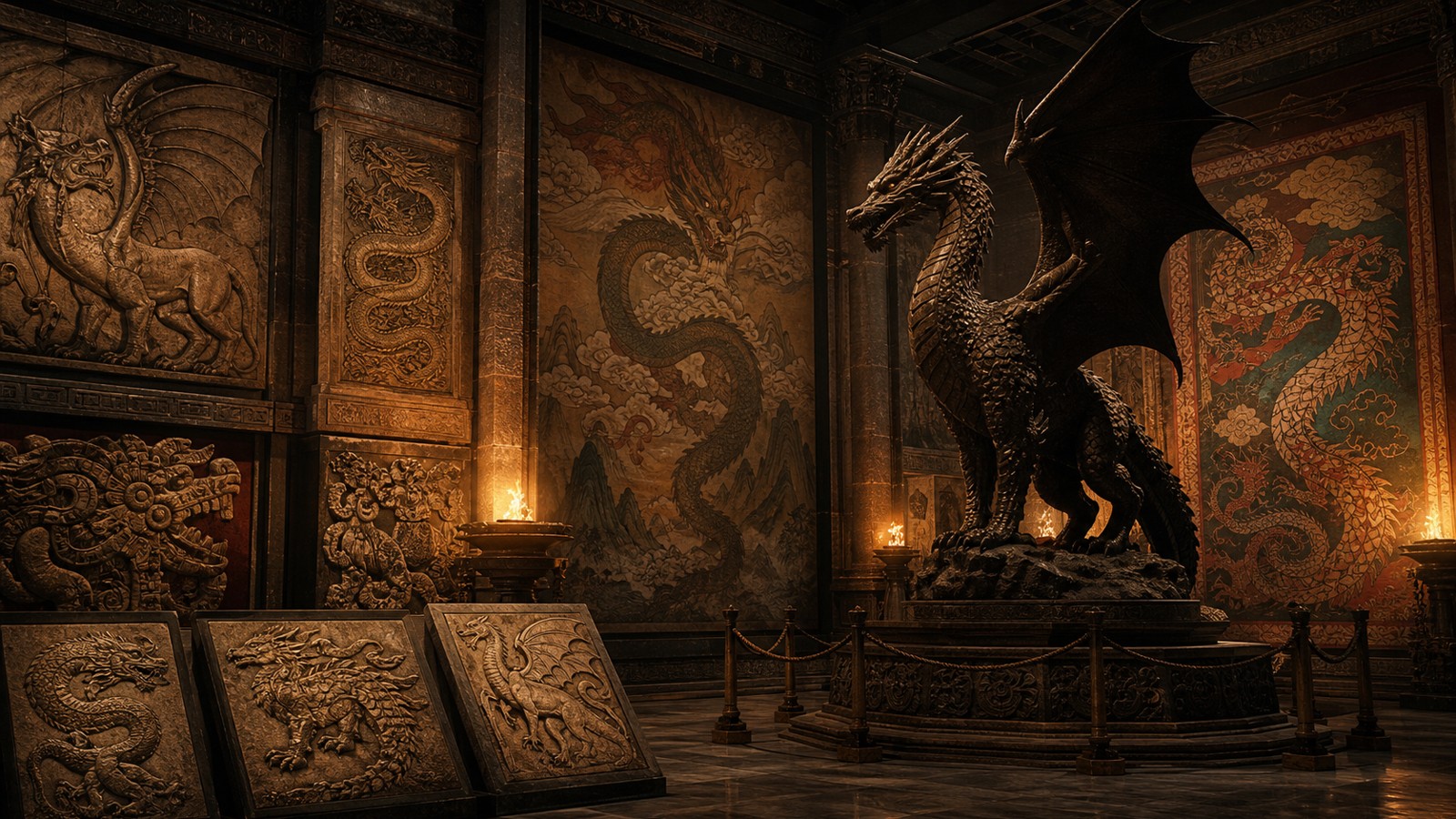
For example, dragons in European myths were often associated with danger and destruction, while in Chinese mythology, dragons symbolized power, wisdom, and good fortune. This contrast highlights how mythical creatures are shaped by the values and environments of the cultures that created them.
Where Do Mythical Creatures Come From?
The origins of mythical creatures can be traced back to early human attempts to understand the world. Before scientific explanations were available, people relied on storytelling to make sense of mysterious events and natural forces. Strange animal sightings, fossils, and unexplained phenomena often gave rise to legendary beings. In some cases, mythical creatures were inspired by real animals that were misunderstood or exaggerated. A large reptile skeleton might have led to dragon legends, while sightings of unfamiliar sea creatures could have inspired tales of sea serpents or krakens.
Cultural exchange also played a major role. As civilizations traded and interacted, their myths blended and evolved, creating new interpretations of existing creatures. Over time, these stories became more elaborate, adding layers of symbolism and meaning.
Types of Mythical Creatures
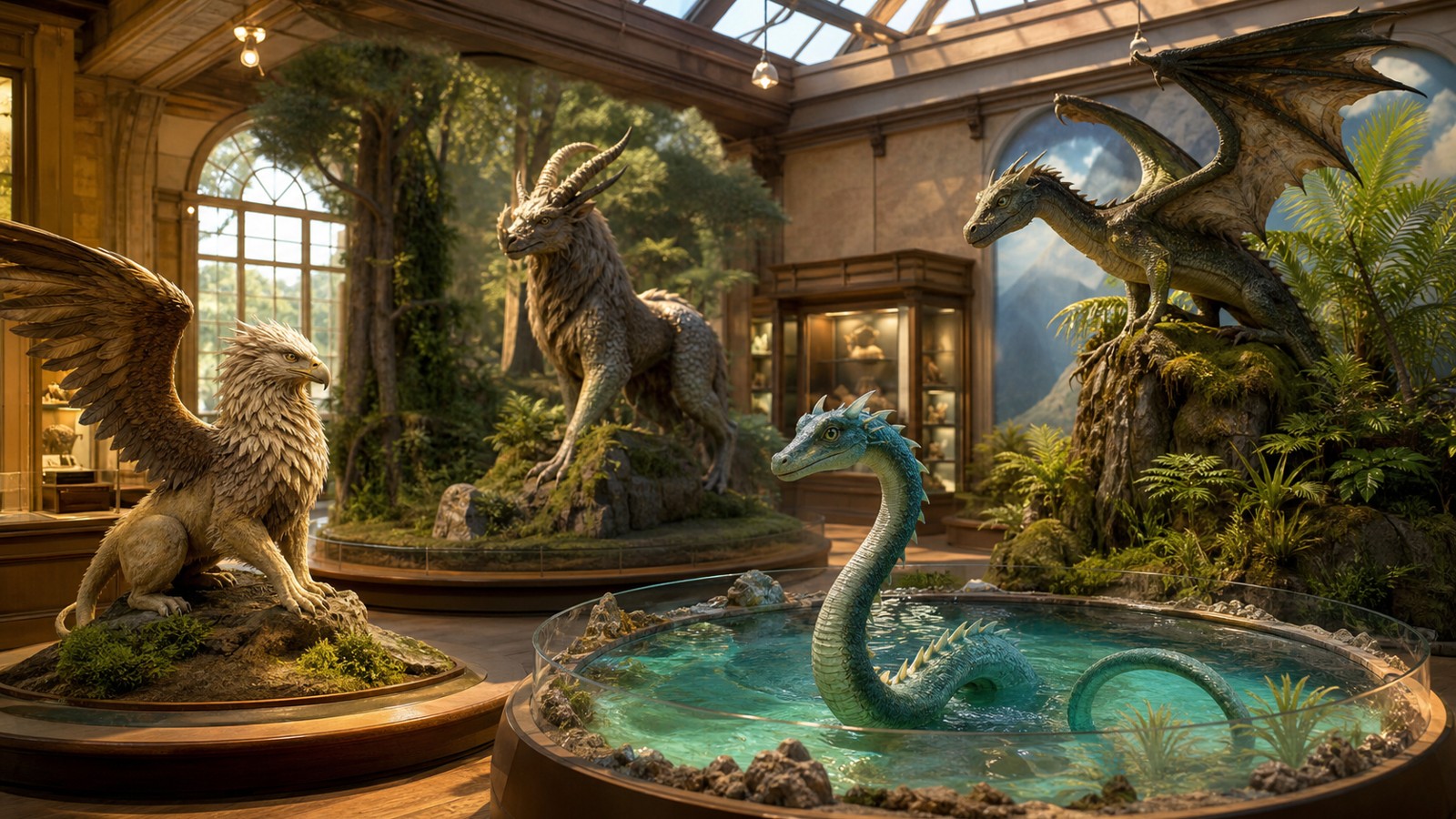
Mythical creatures can be grouped into several broad categories based on their characteristics and roles in stories. One of the most common categories is hybrid creatures, which combine features of different animals or humans. The griffin, for instance, has the body of a lion and the wings of an eagle, symbolizing strength and vigilance.
Another category includes elemental creatures, which are associated with natural forces such as fire, water, air, or earth. Dragons are often linked to fire or storms, while water spirits and sea monsters represent the power and mystery of the ocean.
There are also spiritual or supernatural beings, such as ghosts, demons, and divine creatures. These entities often play roles in religious or moral narratives, acting as guides, punishers, or protectors.
Finally, shape-shifters and tricksters represent transformation and unpredictability. These creatures can change form, deceive humans, or challenge societal norms, making them some of the most complex figures in mythology.
Mythical Creatures Across Cultures
One of the most fascinating aspects of mythical creatures is their global presence. Nearly every culture has its own unique set of legendary beings, each reflecting its environment, beliefs, and history. In Greek mythology, creatures like the Minotaur and Hydra were tied to heroic tales and moral challenges. Norse mythology featured giants, wolves, and serpents that played key roles in cosmic events like Ragnarok. In Japanese folklore, yokai ranged from mischievous spirits to terrifying monsters, each with its own personality and story.
African, Native American, and South American traditions also feature rich collections of mythical creatures, often connected to nature and spiritual beliefs. These stories highlight humanity’s shared tendency to imagine creatures that explain the world while also expressing cultural identity.
The Role of Mythical Creatures in Storytelling
Mythical creatures are not just decorative elements in stories. They serve important narrative functions that make them central to storytelling traditions.
Many creatures act as obstacles or adversaries, challenging heroes to prove their strength, intelligence, or courage. Others serve as guardians, protecting sacred places or valuable treasures. Some are helpers or guides, offering wisdom or assistance to those who seek it.
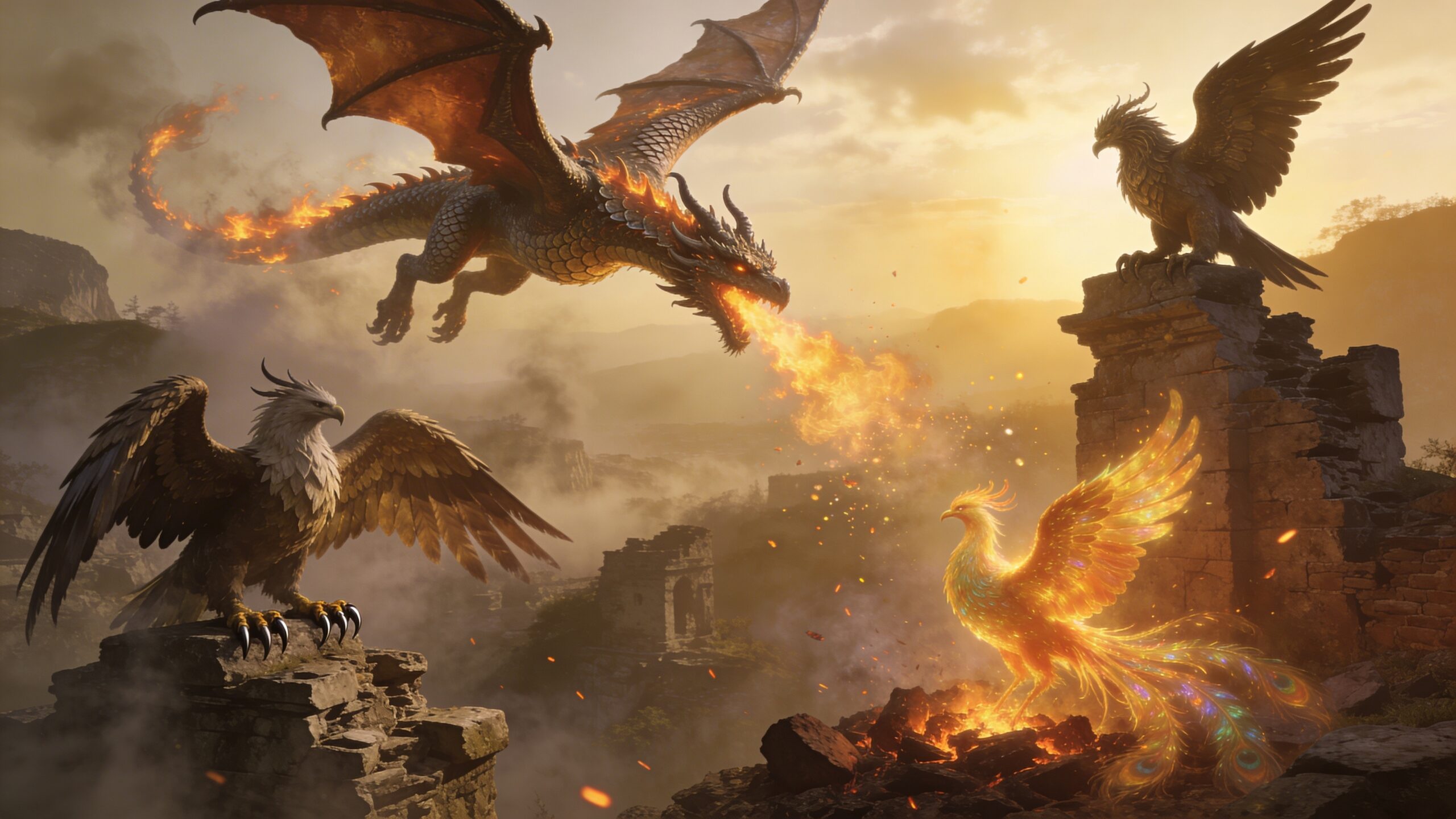
Beyond their roles in individual stories, mythical creatures often symbolize deeper ideas. A dragon might represent chaos or greed, while a phoenix symbolizes renewal and rebirth. These symbolic meanings allow stories to convey complex themes in a memorable and engaging way.
Mythical Creatures and Symbolism
Symbolism is one of the most important aspects of mythical creatures. These beings often represent abstract concepts that are difficult to express directly. For example, creatures associated with darkness or the night may symbolize fear, death, or the unknown. Conversely, creatures connected to light or flight may represent freedom, hope, or enlightenment.
Hybrid creatures often symbolize balance or conflict between different forces. A centaur, which is part human and part horse, can represent the tension between civilization and nature. Similarly, shape-shifting creatures may symbolize transformation, identity, or deception. Understanding these symbolic meanings adds depth to the study of mythical creatures and reveals why they continue to resonate with audiences.
Mythical Creatures vs Folklore and Cryptids
It is important to distinguish mythical creatures from related concepts like folklore beings and cryptids. While these categories overlap, they are not identical.
Folklore creatures are often part of local traditions and may be tied to specific regions or communities. They are usually less grand and more grounded than mythological beings, often appearing in everyday stories or cautionary tales.
Cryptids, on the other hand, are creatures that some people believe might exist despite a lack of scientific evidence. Examples include Bigfoot or the Loch Ness Monster. Unlike mythical creatures, cryptids are often treated as potential real-world animals rather than symbolic figures. Mythical creatures occupy a unique space, blending storytelling, symbolism, and cultural belief into a rich and enduring tradition.
Mythical Creatures in Modern Culture
Although mythical creatures originated in ancient times, they remain incredibly popular today. Movies, video games, books, and television shows continue to draw inspiration from these legendary beings. Modern storytelling often reimagines mythical creatures, giving them new personalities, roles, and appearances. Dragons can be villains or allies, vampires can be terrifying or romantic, and werewolves can be tragic heroes.
This ongoing evolution keeps mythical creatures relevant and allows new generations to connect with ancient stories in fresh ways. It also demonstrates the timeless appeal of these beings and their ability to adapt to changing cultural contexts.
Why Humans Are Fascinated by Mythical Creatures
The enduring popularity of mythical creatures raises an important question: why are humans so fascinated by them?
One reason is that mythical creatures allow us to explore the unknown in a safe and imaginative way. They give form to our fears and desires, making abstract ideas more tangible. Another reason is their connection to storytelling. Humans are natural storytellers, and mythical creatures add excitement, mystery, and depth to narratives. They make stories more engaging and memorable.
Finally, mythical creatures tap into our sense of wonder. They remind us that the world is full of possibilities, encouraging curiosity and creativity. In a way, they represent the limitless potential of human imagination.
How to Start Exploring Mythical Creatures
For beginners, exploring mythical creatures can be both exciting and overwhelming due to the vast number of stories and traditions available. A good starting point is to focus on a specific culture or type of creature and gradually expand your knowledge. Reading mythology, watching documentaries, and exploring modern adaptations can all provide valuable insights. Paying attention to symbolism and cultural context will also deepen your understanding.
As you learn more, you will begin to see connections between different myths and recognize recurring themes. This process transforms mythical creatures from simple curiosities into meaningful elements of human history and culture.
Final Thoughts
Mythical creatures are far more than fictional beings. They are reflections of human thought, culture, and imagination, shaped by centuries of storytelling and belief. From ancient legends to modern media, these creatures continue to inspire, entertain, and provoke curiosity. By understanding what mythical creatures are and where they come from, you gain insight into the stories that define humanity. Whether you are drawn to their symbolism, their mystery, or their sheer creativity, mythical creatures offer a fascinating gateway into the world of myth and legend.