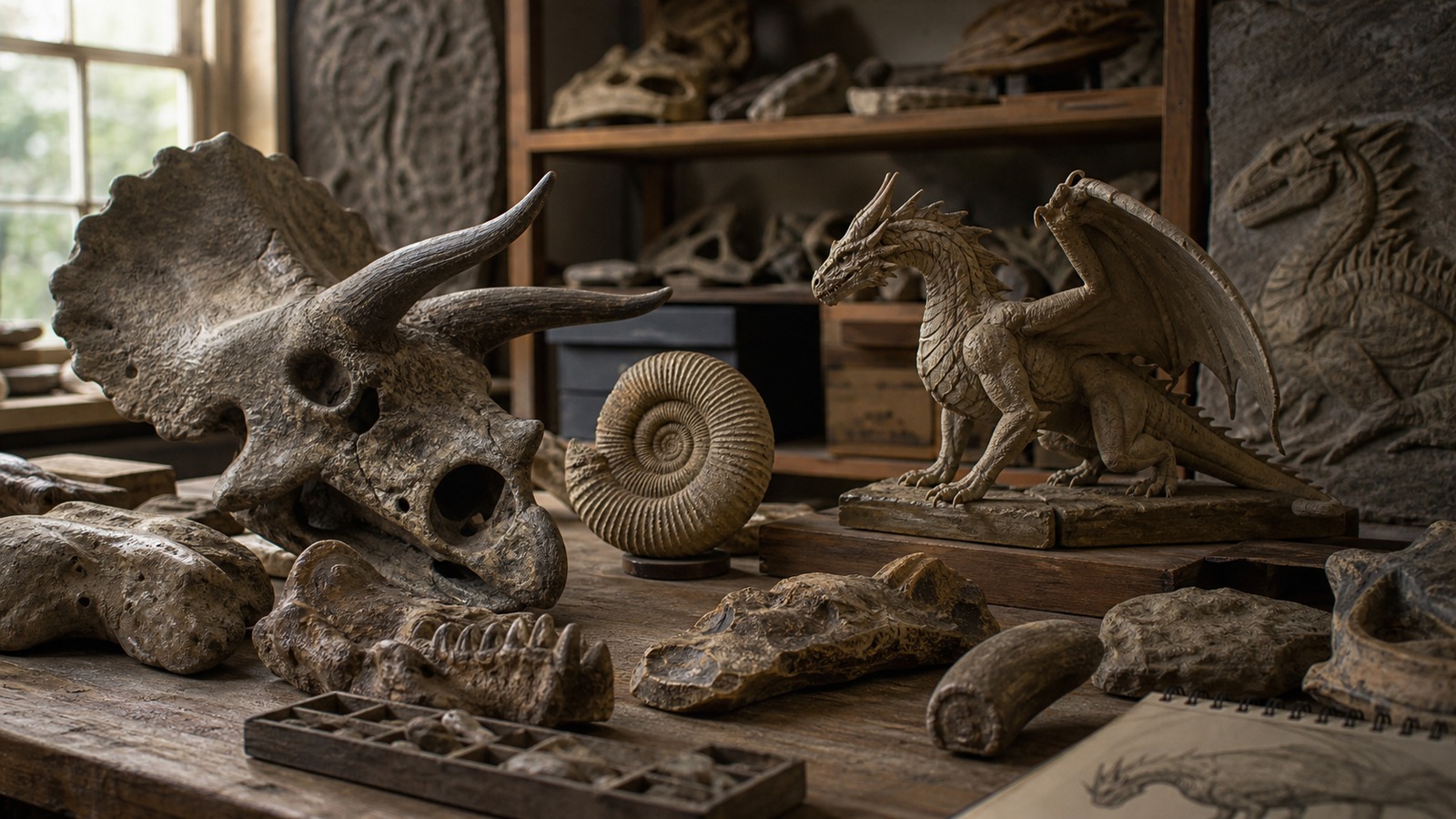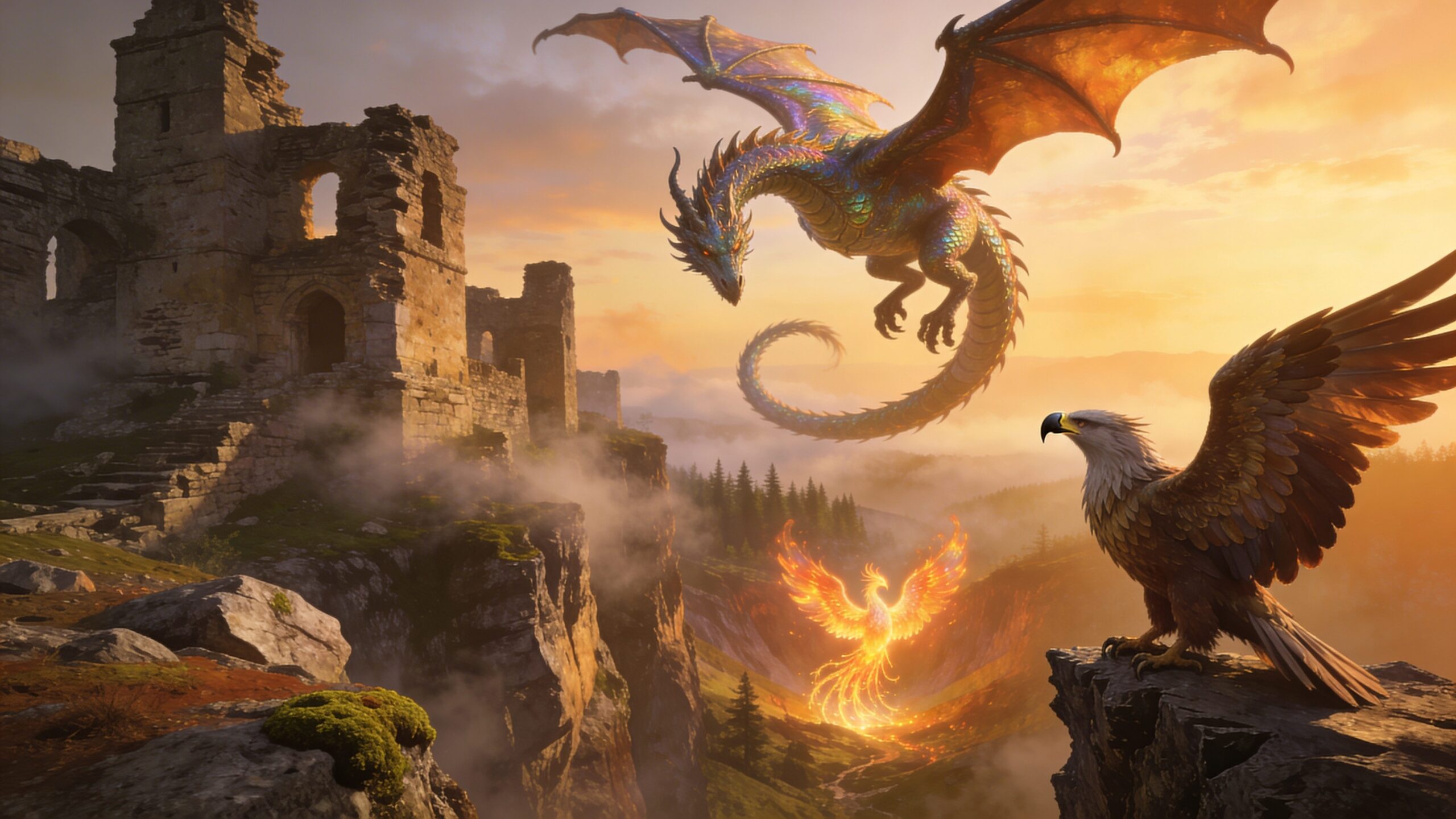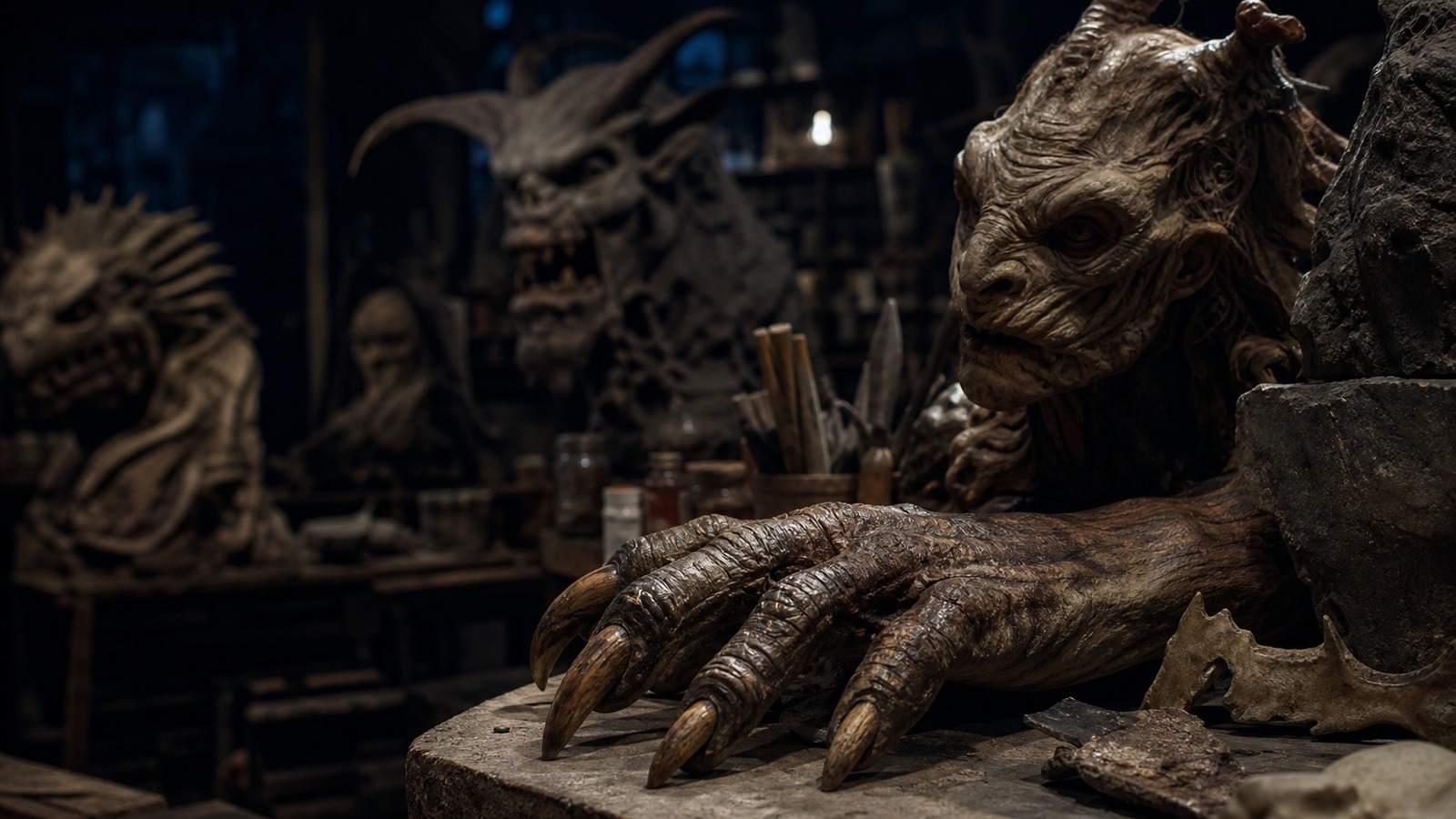
The Most Feared Creatures in Fantasy Worlds shows why creature design keeps returning to the same central challenge: make the impossible feel specific. Whether the subject belongs to folklore, prehistoric imagination, themed entertainment, or modern fabrication, the audience needs more than spectacle. It needs clues. The body, movement, setting, and surface detail should all point toward a creature that seems capable of existing inside its own rules.
A: It focuses on how feared, fantasy, and story context make the subject feel specific rather than generic.
A: It gives readers a concrete way to compare lore, anatomy, atmosphere, and visual impact.
A: The strongest starting point is the silhouette, because it defines recognition before fine surface detail appears.
A: Habitat explains behavior, scale, danger, and survival without forcing the article to over-explain every trait.
A: Believability comes from consistent proportions, motivated textures, plausible movement, and clear environmental clues.
A: Mythology supplies emotional weight, cultural memory, and symbolic patterns that pure design cannot create alone.
A: It would use controlled lighting, staged sightlines, sound, and close-up details to make visitors discover the creature gradually.
A: Random spikes, oversized features, or unrelated details weaken the illusion when they do not support function or story.
A: Compare real animal references, older legends, film designs, and exhibit builds to see which choices repeat.
A: The best creature ideas stay memorable because they combine wonder with internal rules viewers can sense.
The Appeal Begins Before the Creature Appears
For non-experts, the most convincing feature is often not the most dramatic one. A subtle blink, a believable joint, a worn surface, or a carefully chosen sound can do more than an exaggerated roar. That restraint is especially important in fantasy beasts, where the audience needs enough information to feel wonder without losing the sense that the creature has rules.
The strongest creature work also respects uncertainty. Myth, film, exhibit design, and fabrication all leave room for interpretation, but good interpretation still needs discipline. When artists connect fantasy ideas with practical build choices, the creature becomes easier to remember because it carries both imagination and evidence.
Designers Build Trust Through Specific Detail
The strongest creature work also respects uncertainty. Myth, film, exhibit design, and fabrication all leave room for interpretation, but good interpretation still needs discipline. When artists connect fantasy ideas with practical build choices, the creature becomes easier to remember because it carries both imagination and evidence.
Designers Build Trust Through Specific Detail matters because the most feared creatures in fantasy worlds is more than a label on a strange body. Viewers believe a creature when every visible choice seems to belong to the same life. The silicone texture, the posture, the habitat clues, and the way the design handles feared all need to agree. When those parts work together, the result feels discovered rather than decorated.
A helpful way to understand this topic is to imagine the creature from the inside out. A designer asks how it eats, moves, protects itself, notices danger, and occupies space. Those questions shape sculpted skin, but they also shape the quieter details: where weight gathers, how skin folds, why the eyes sit where they do, and what kind of world could produce such a form.
Proportion Separates Fantasy From Confusion
Proportion Separates Fantasy From Confusion matters because the most feared creatures in fantasy worlds is more than a label on a strange body. Viewers believe a creature when every visible choice seems to belong to the same life. The muscle rhythm, the posture, the habitat clues, and the way the design handles feared all need to agree. When those parts work together, the result feels discovered rather than decorated.
A helpful way to understand this topic is to imagine the creature from the inside out. A designer asks how it eats, moves, protects itself, notices danger, and occupies space. Those questions shape scale reference, but they also shape the quieter details: where weight gathers, how skin folds, why the eyes sit where they do, and what kind of world could produce such a form.
Habitat Makes the Creature Feel Necessary
A helpful way to understand this topic is to imagine the creature from the inside out. A designer asks how it eats, moves, protects itself, notices danger, and occupies space. Those questions shape weathered habitat, but they also shape the quieter details: where weight gathers, how skin folds, why the eyes sit where they do, and what kind of world could produce such a form.
For non-experts, the most convincing feature is often not the most dramatic one. A subtle blink, a believable joint, a worn surface, or a carefully chosen sound can do more than an exaggerated roar. That restraint is especially important in fantasy beasts, where the audience needs enough information to feel wonder without losing the sense that the creature has rules.
The Face Carries the First Emotional Signal
For non-experts, the most convincing feature is often not the most dramatic one. A subtle blink, a believable joint, a worn surface, or a carefully chosen sound can do more than an exaggerated roar. That restraint is especially important in fantasy beasts, where the audience needs enough information to feel wonder without losing the sense that the creature has rules.
The strongest creature work also respects uncertainty. Myth, film, exhibit design, and fabrication all leave room for interpretation, but good interpretation still needs discipline. When artists connect fantasy ideas with practical build choices, the creature becomes easier to remember because it carries both imagination and evidence.
The Face Carries the First Emotional Signal matters because the most feared creatures in fantasy worlds is more than a label on a strange body. Viewers believe a creature when every visible choice seems to belong to the same life. The watchful eyes, the posture, the habitat clues, and the way the design handles feared all need to agree. When those parts work together, the result feels discovered rather than decorated.
Motion Systems Need Restraint
The strongest creature work also respects uncertainty. Myth, film, exhibit design, and fabrication all leave room for interpretation, but good interpretation still needs discipline. When artists connect fantasy ideas with practical build choices, the creature becomes easier to remember because it carries both imagination and evidence.
Motion Systems Need Restraint matters because the most feared creatures in fantasy worlds is more than a label on a strange body. Viewers believe a creature when every visible choice seems to belong to the same life. The muscle rhythm, the posture, the habitat clues, and the way the design handles feared all need to agree. When those parts work together, the result feels discovered rather than decorated.
Cultural Memory Gives the Creature Depth
Cultural Memory Gives the Creature Depth matters because the most feared creatures in fantasy worlds is more than a label on a strange body. Viewers believe a creature when every visible choice seems to belong to the same life. The carved bone forms, the posture, the habitat clues, and the way the design handles feared all need to agree. When those parts work together, the result feels discovered rather than decorated.
A helpful way to understand this topic is to imagine the creature from the inside out. A designer asks how it eats, moves, protects itself, notices danger, and occupies space. Those questions shape weathered habitat, but they also shape the quieter details: where weight gathers, how skin folds, why the eyes sit where they do, and what kind of world could produce such a form.
Modern Tools Expand Old Monster Traditions
A helpful way to understand this topic is to imagine the creature from the inside out. A designer asks how it eats, moves, protects itself, notices danger, and occupies space. Those questions shape responsive sound, but they also shape the quieter details: where weight gathers, how skin folds, why the eyes sit where they do, and what kind of world could produce such a form.
For non-experts, the most convincing feature is often not the most dramatic one. A subtle blink, a believable joint, a worn surface, or a carefully chosen sound can do more than an exaggerated roar. That restraint is especially important in fantasy beasts, where the audience needs enough information to feel wonder without losing the sense that the creature has rules.
The strongest creature work also respects uncertainty. Myth, film, exhibit design, and fabrication all leave room for interpretation, but good interpretation still needs discipline. When artists connect beasts ideas with practical build choices, the creature becomes easier to remember because it carries both imagination and evidence.
How Audiences Read Creature Behavior
For non-experts, the most convincing feature is often not the most dramatic one. A subtle blink, a believable joint, a worn surface, or a carefully chosen sound can do more than an exaggerated roar. That restraint is especially important in fantasy beasts, where the audience needs enough information to feel wonder without losing the sense that the creature has rules.
The strongest creature work also respects uncertainty. Myth, film, exhibit design, and fabrication all leave room for interpretation, but good interpretation still needs discipline. When artists connect fantasy ideas with practical build choices, the creature becomes easier to remember because it carries both imagination and evidence.
Why This Topic Keeps Evolving
The strongest creature work also respects uncertainty. Myth, film, exhibit design, and fabrication all leave room for interpretation, but good interpretation still needs discipline. When artists connect fantasy ideas with practical build choices, the creature becomes easier to remember because it carries both imagination and evidence.
Why This Topic Keeps Evolving matters because the most feared creatures in fantasy worlds is more than a label on a strange body. Viewers believe a creature when every visible choice seems to belong to the same life. The carved bone forms, the posture, the habitat clues, and the way the design handles feared all need to agree. When those parts work together, the result feels discovered rather than decorated.
Why the Fascination Continues
The Most Feared Creatures in Fantasy Worlds continues to matter because creatures help people explore fear, beauty, history, invention, and the unknown. They give form to questions that ordinary animals cannot fully carry. What would life look like under different rules? What does power look like when it has a body? How does a story change when the world contains something larger than human understanding?
Those questions keep creature culture alive. Each new design, exhibit, film, or legend adds another answer, and the best answers make us look twice.
A helpful way to understand this topic is to imagine the creature from the inside out. A designer asks how it eats, moves, protects itself, notices danger, and occupies space. Those questions shape sculpted skin, but they also shape the quieter details: where weight gathers, how skin folds, why the eyes sit where they do, and what kind of world could produce such a form.
The strongest creature work also respects uncertainty. Myth, film, exhibit design, and fabrication all leave room for interpretation, but good interpretation still needs discipline. When artists connect beasts ideas with practical build choices, the creature becomes easier to remember because it carries both imagination and evidence.
A helpful way to understand this topic is to imagine the creature from the inside out. A designer asks how it eats, moves, protects itself, notices danger, and occupies space. Those questions shape carved bone forms, but they also shape the quieter details: where weight gathers, how skin folds, why the eyes sit where they do, and what kind of world could produce such a form.
The strongest creature work also respects uncertainty. Myth, film, exhibit design, and fabrication all leave room for interpretation, but good interpretation still needs discipline. When artists connect beasts ideas with practical build choices, the creature becomes easier to remember because it carries both imagination and evidence.
A helpful way to understand this topic is to imagine the creature from the inside out. A designer asks how it eats, moves, protects itself, notices danger, and occupies space. Those questions shape folklore symbols, but they also shape the quieter details: where weight gathers, how skin folds, why the eyes sit where they do, and what kind of world could produce such a form.