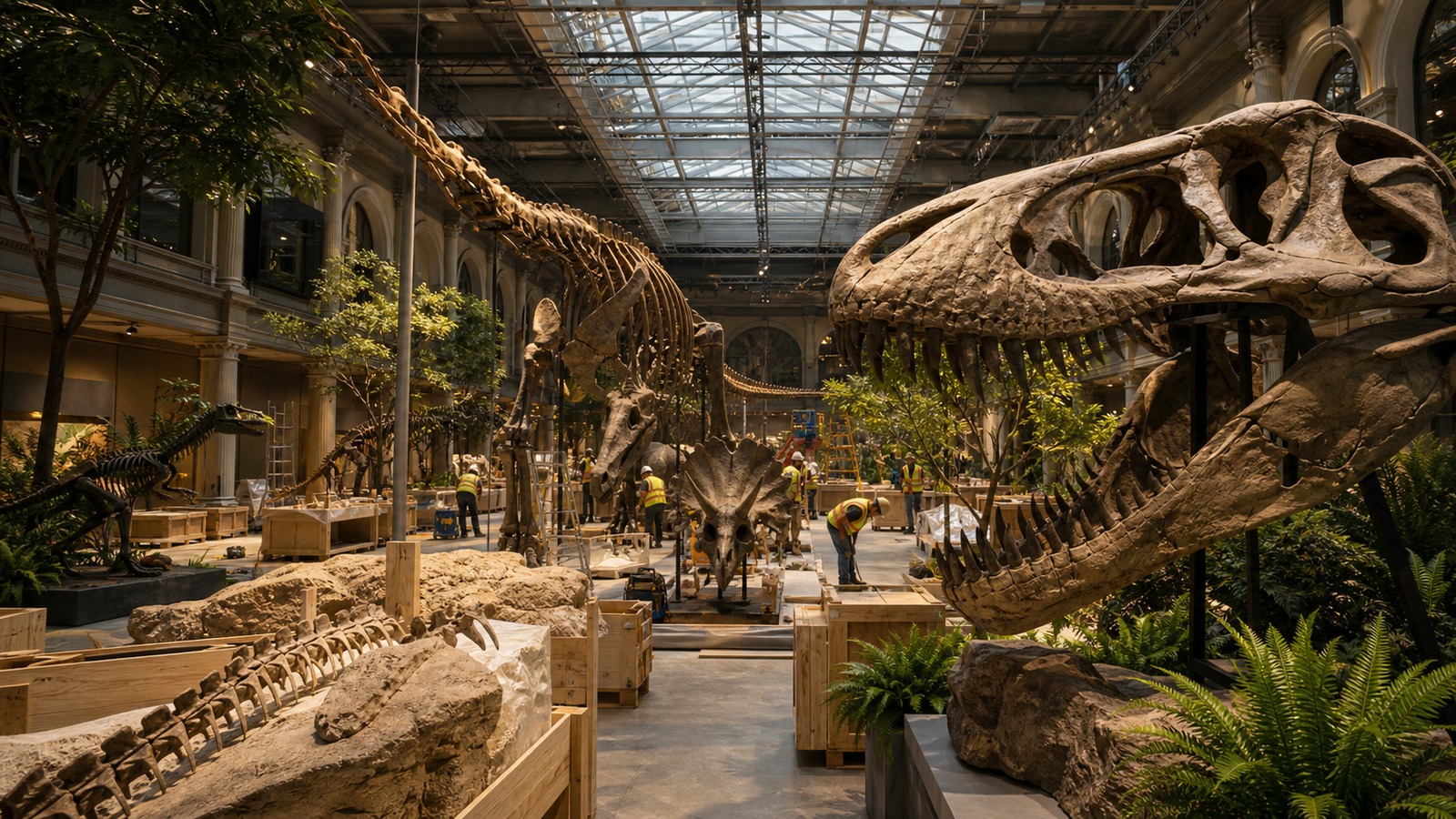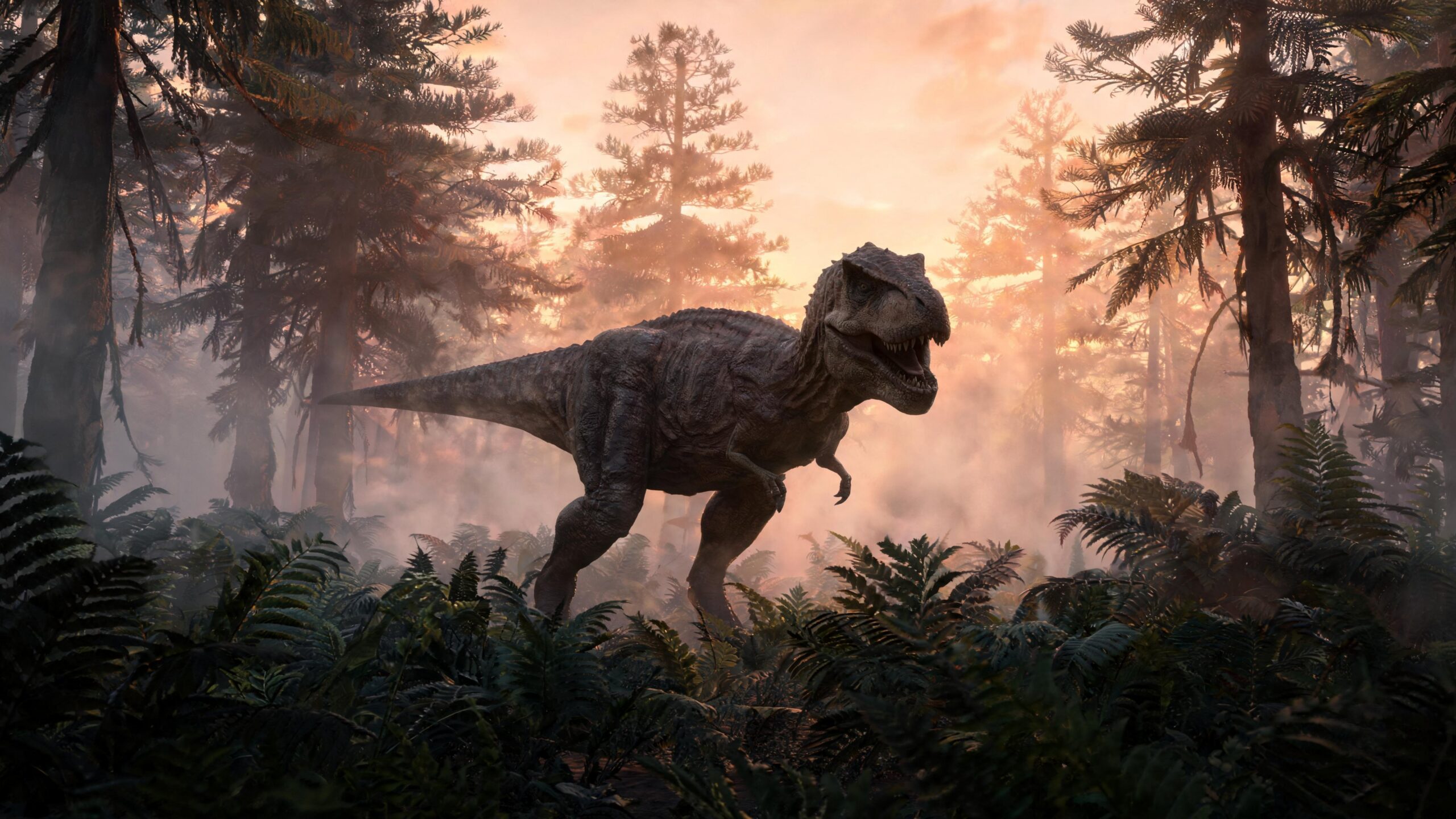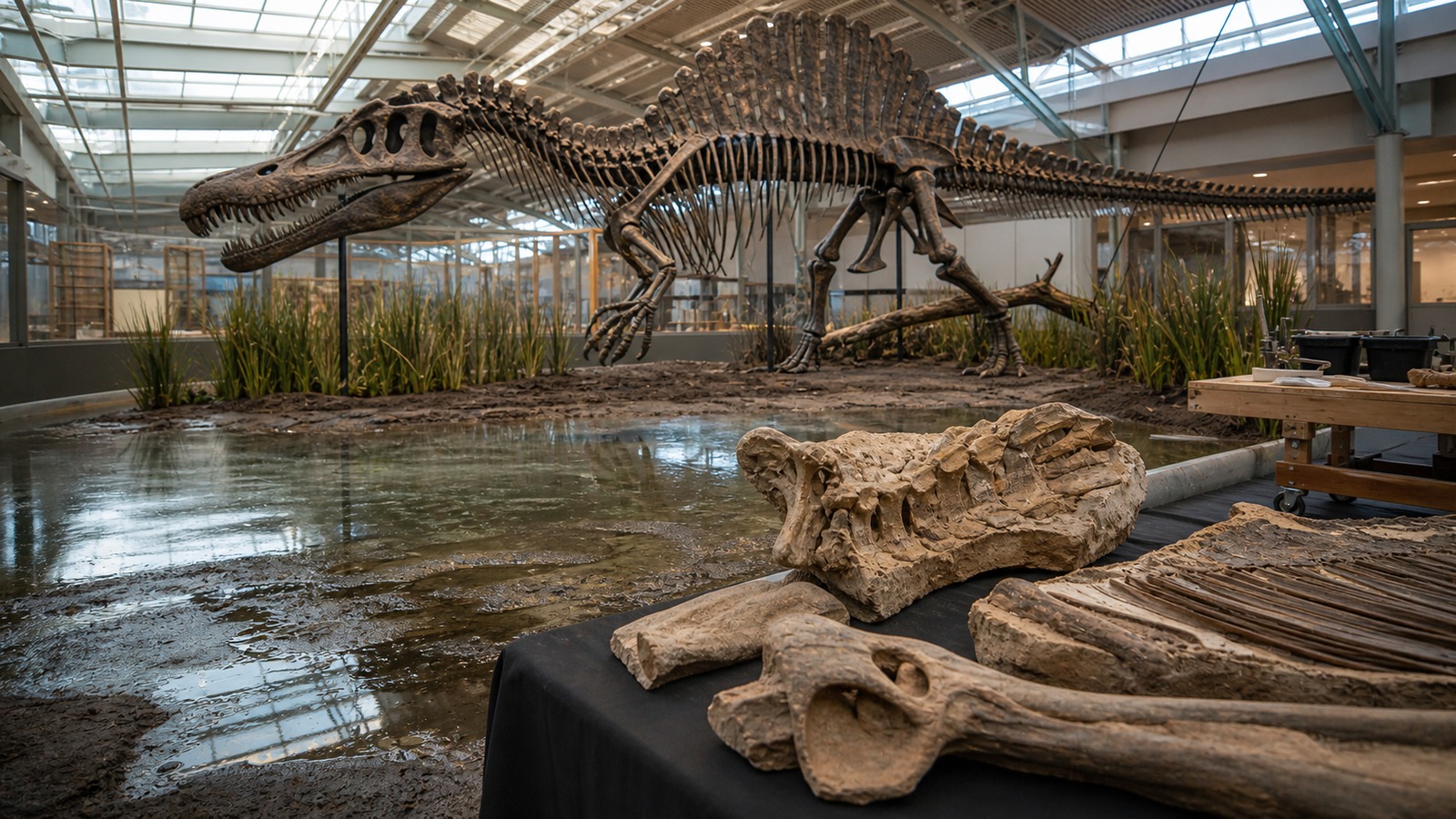
Spinosaurus: The Giant Dinosaur That Hunted in Water is fascinating because it sits between story and structure. The idea may begin with legend, cinema, game art, or an exhibit concept, but it only becomes memorable when the details feel connected. A viewer notices misty lighting, senses a possible behavior, and starts filling in the unseen world around the creature. This article breaks down the topic in plain language so the craft, science, and imagination behind it are easier to see.
A: It focuses on how spinosaurus, giant, and story context make the subject feel specific rather than generic.
A: It gives readers a concrete way to compare lore, anatomy, atmosphere, and visual impact.
A: The strongest starting point is the silhouette, because it defines recognition before fine surface detail appears.
A: Habitat explains behavior, scale, danger, and survival without forcing the article to over-explain every trait.
A: Believability comes from consistent proportions, motivated textures, plausible movement, and clear environmental clues.
A: Mythology supplies emotional weight, cultural memory, and symbolic patterns that pure design cannot create alone.
A: It would use controlled lighting, staged sightlines, sound, and close-up details to make visitors discover the creature gradually.
A: Random spikes, oversized features, or unrelated details weaken the illusion when they do not support function or story.
A: Compare real animal references, older legends, film designs, and exhibit builds to see which choices repeat.
A: The best creature ideas stay memorable because they combine wonder with internal rules viewers can sense.
Start With the World Around the Beast
A helpful way to understand this topic is to imagine the creature from the inside out. A designer asks how it eats, moves, protects itself, notices danger, and occupies space. Those questions shape responsive sound, but they also shape the quieter details: where weight gathers, how skin folds, why the eyes sit where they do, and what kind of world could produce such a form.
For non-experts, the most convincing feature is often not the most dramatic one. A subtle blink, a believable joint, a worn surface, or a carefully chosen sound can do more than an exaggerated roar. That restraint is especially important in prehistoric creatures, where the audience needs enough information to feel wonder without losing the sense that the creature has rules.
A Strong Silhouette Does Half the Work
For non-experts, the most convincing feature is often not the most dramatic one. A subtle blink, a believable joint, a worn surface, or a carefully chosen sound can do more than an exaggerated roar. That restraint is especially important in prehistoric creatures, where the audience needs enough information to feel wonder without losing the sense that the creature has rules.
The strongest creature work also respects uncertainty. Myth, film, exhibit design, and fabrication all leave room for interpretation, but good interpretation still needs discipline. When artists connect creatures ideas with practical build choices, the creature becomes easier to remember because it carries both imagination and evidence.
A Strong Silhouette Does Half the Work matters because spinosaurus: the giant dinosaur that hunted in water is more than a label on a strange body. Viewers believe a creature when every visible choice seems to belong to the same life. The folklore symbols, the posture, the habitat clues, and the way the design handles water all need to agree. When those parts work together, the result feels discovered rather than decorated.
Real Animals Provide the Hidden Blueprint
The strongest creature work also respects uncertainty. Myth, film, exhibit design, and fabrication all leave room for interpretation, but good interpretation still needs discipline. When artists connect creatures ideas with practical build choices, the creature becomes easier to remember because it carries both imagination and evidence.
Real Animals Provide the Hidden Blueprint matters because spinosaurus: the giant dinosaur that hunted in water is more than a label on a strange body. Viewers believe a creature when every visible choice seems to belong to the same life. The carved bone forms, the posture, the habitat clues, and the way the design handles dinosaur all need to agree. When those parts work together, the result feels discovered rather than decorated.
The Best Details Support a Clear Function
The Best Details Support a Clear Function matters because spinosaurus: the giant dinosaur that hunted in water is more than a label on a strange body. Viewers believe a creature when every visible choice seems to belong to the same life. The museum pathway, the posture, the habitat clues, and the way the design handles spinosaurus all need to agree. When those parts work together, the result feels discovered rather than decorated.
A helpful way to understand this topic is to imagine the creature from the inside out. A designer asks how it eats, moves, protects itself, notices danger, and occupies space. Those questions shape responsive sound, but they also shape the quieter details: where weight gathers, how skin folds, why the eyes sit where they do, and what kind of world could produce such a form.
Fear, Wonder, and Curiosity Need Different Choices
A helpful way to understand this topic is to imagine the creature from the inside out. A designer asks how it eats, moves, protects itself, notices danger, and occupies space. Those questions shape moving jaw, but they also shape the quieter details: where weight gathers, how skin folds, why the eyes sit where they do, and what kind of world could produce such a form.
For non-experts, the most convincing feature is often not the most dramatic one. A subtle blink, a believable joint, a worn surface, or a carefully chosen sound can do more than an exaggerated roar. That restraint is especially important in prehistoric creatures, where the audience needs enough information to feel wonder without losing the sense that the creature has rules.
The strongest creature work also respects uncertainty. Myth, film, exhibit design, and fabrication all leave room for interpretation, but good interpretation still needs discipline. When artists connect prehistoric ideas with practical build choices, the creature becomes easier to remember because it carries both imagination and evidence.
Materials Decide How Close the Viewer Can Get
For non-experts, the most convincing feature is often not the most dramatic one. A subtle blink, a believable joint, a worn surface, or a carefully chosen sound can do more than an exaggerated roar. That restraint is especially important in prehistoric creatures, where the audience needs enough information to feel wonder without losing the sense that the creature has rules.
The strongest creature work also respects uncertainty. Myth, film, exhibit design, and fabrication all leave room for interpretation, but good interpretation still needs discipline. When artists connect creatures ideas with practical build choices, the creature becomes easier to remember because it carries both imagination and evidence.
Lighting Creates the Moment of Discovery
The strongest creature work also respects uncertainty. Myth, film, exhibit design, and fabrication all leave room for interpretation, but good interpretation still needs discipline. When artists connect creatures ideas with practical build choices, the creature becomes easier to remember because it carries both imagination and evidence.
Lighting Creates the Moment of Discovery matters because spinosaurus: the giant dinosaur that hunted in water is more than a label on a strange body. Viewers believe a creature when every visible choice seems to belong to the same life. The museum pathway, the posture, the habitat clues, and the way the design handles giant all need to agree. When those parts work together, the result feels discovered rather than decorated.
Interactive Design Rewards Close Attention
Interactive Design Rewards Close Attention matters because spinosaurus: the giant dinosaur that hunted in water is more than a label on a strange body. Viewers believe a creature when every visible choice seems to belong to the same life. The misty lighting, the posture, the habitat clues, and the way the design handles water all need to agree. When those parts work together, the result feels discovered rather than decorated.
A helpful way to understand this topic is to imagine the creature from the inside out. A designer asks how it eats, moves, protects itself, notices danger, and occupies space. Those questions shape moving jaw, but they also shape the quieter details: where weight gathers, how skin folds, why the eyes sit where they do, and what kind of world could produce such a form.
For non-experts, the most convincing feature is often not the most dramatic one. A subtle blink, a believable joint, a worn surface, or a carefully chosen sound can do more than an exaggerated roar. That restraint is especially important in prehistoric creatures, where the audience needs enough information to feel wonder without losing the sense that the creature has rules.
Why Maintenance Matters in Creature Displays
A helpful way to understand this topic is to imagine the creature from the inside out. A designer asks how it eats, moves, protects itself, notices danger, and occupies space. Those questions shape fossil clues, but they also shape the quieter details: where weight gathers, how skin folds, why the eyes sit where they do, and what kind of world could produce such a form.
For non-experts, the most convincing feature is often not the most dramatic one. A subtle blink, a believable joint, a worn surface, or a carefully chosen sound can do more than an exaggerated roar. That restraint is especially important in prehistoric creatures, where the audience needs enough information to feel wonder without losing the sense that the creature has rules.
The Lasting Power of a Well-Made Creature
For non-experts, the most convincing feature is often not the most dramatic one. A subtle blink, a believable joint, a worn surface, or a carefully chosen sound can do more than an exaggerated roar. That restraint is especially important in prehistoric creatures, where the audience needs enough information to feel wonder without losing the sense that the creature has rules.
The strongest creature work also respects uncertainty. Myth, film, exhibit design, and fabrication all leave room for interpretation, but good interpretation still needs discipline. When artists connect creatures ideas with practical build choices, the creature becomes easier to remember because it carries both imagination and evidence.
What the Best Creature Ideas Teach
Spinosaurus: The Giant Dinosaur That Hunted in Water reminds us that fantasy becomes stronger when it has structure. Great creature work does not explain everything, but it provides enough evidence for curiosity to take over. A viewer can imagine the weight of the body, the purpose of the texture, and the environment that shaped the form.
The lasting lesson is simple: a creature does not need to be real to feel meaningful. It needs internal logic, expressive detail, and a clear sense of presence. That combination is what turns scientific believability into a memorable experience.
Additional Creature Notes matters because spinosaurus: the giant dinosaur that hunted in water is more than a label on a strange body. Viewers believe a creature when every visible choice seems to belong to the same life. The folklore symbols, the posture, the habitat clues, and the way the design handles spinosaurus all need to agree. When those parts work together, the result feels discovered rather than decorated.
For non-experts, the most convincing feature is often not the most dramatic one. A subtle blink, a believable joint, a worn surface, or a carefully chosen sound can do more than an exaggerated roar. That restraint is especially important in prehistoric creatures, where the audience needs enough information to feel wonder without losing the sense that the creature has rules.
Additional Creature Notes matters because spinosaurus: the giant dinosaur that hunted in water is more than a label on a strange body. Viewers believe a creature when every visible choice seems to belong to the same life. The moving jaw, the posture, the habitat clues, and the way the design handles water all need to agree. When those parts work together, the result feels discovered rather than decorated.
For non-experts, the most convincing feature is often not the most dramatic one. A subtle blink, a believable joint, a worn surface, or a carefully chosen sound can do more than an exaggerated roar. That restraint is especially important in prehistoric creatures, where the audience needs enough information to feel wonder without losing the sense that the creature has rules.