The Creatures That Built Fantasy Cinema
Fantasy movies are not simply built from castles, magic swords, chosen heroes, and ancient prophecies. They are built from creatures. The moment a dragon rises from smoke, a troll stomps across a bridge, an elf draws a glowing blade, or a strange forest spirit steps from the trees, the audience understands that the world on screen operates by different rules. These beings make fantasy feel alive. They prove that the impossible has weight, breath, personality, danger, and wonder. The best fantasy creatures in movies do more than decorate the background. They shape the emotional language of the genre. Some represent wisdom, some represent corruption, some embody nature, and others become living symbols of fear, greed, loyalty, innocence, or power. Across decades of fantasy filmmaking, certain creatures have become so influential that they helped define what audiences expect from the genre itself.
A: Dragons are often the most iconic because they represent scale, danger, magic, and ancient power.
A: They bring beauty, wisdom, history, and a sense of old magic to the world.
A: Their brutal design, army-like presence, and association with corruption make them visually powerful enemies.
A: No. Trolls can be dangerous, comic, tragic, or misunderstood depending on the story.
A: Goblins add chaos, humor, menace, and strange worldbuilding in a compact creature design.
A: A faun is usually part human and part goat, while a centaur is part human and part horse.
A: Their rarity reinforces their symbolism of purity, magic, healing, and wonder.
A: Yes. Many films combine practical effects with CGI for stronger realism.
A: Believable movement, texture, lighting, sound, and clear behavior all help sell the illusion.
A: They make imaginary worlds feel alive, dangerous, beautiful, and emotionally unforgettable.
Dragons: The Crown Jewels of Fantasy Movies
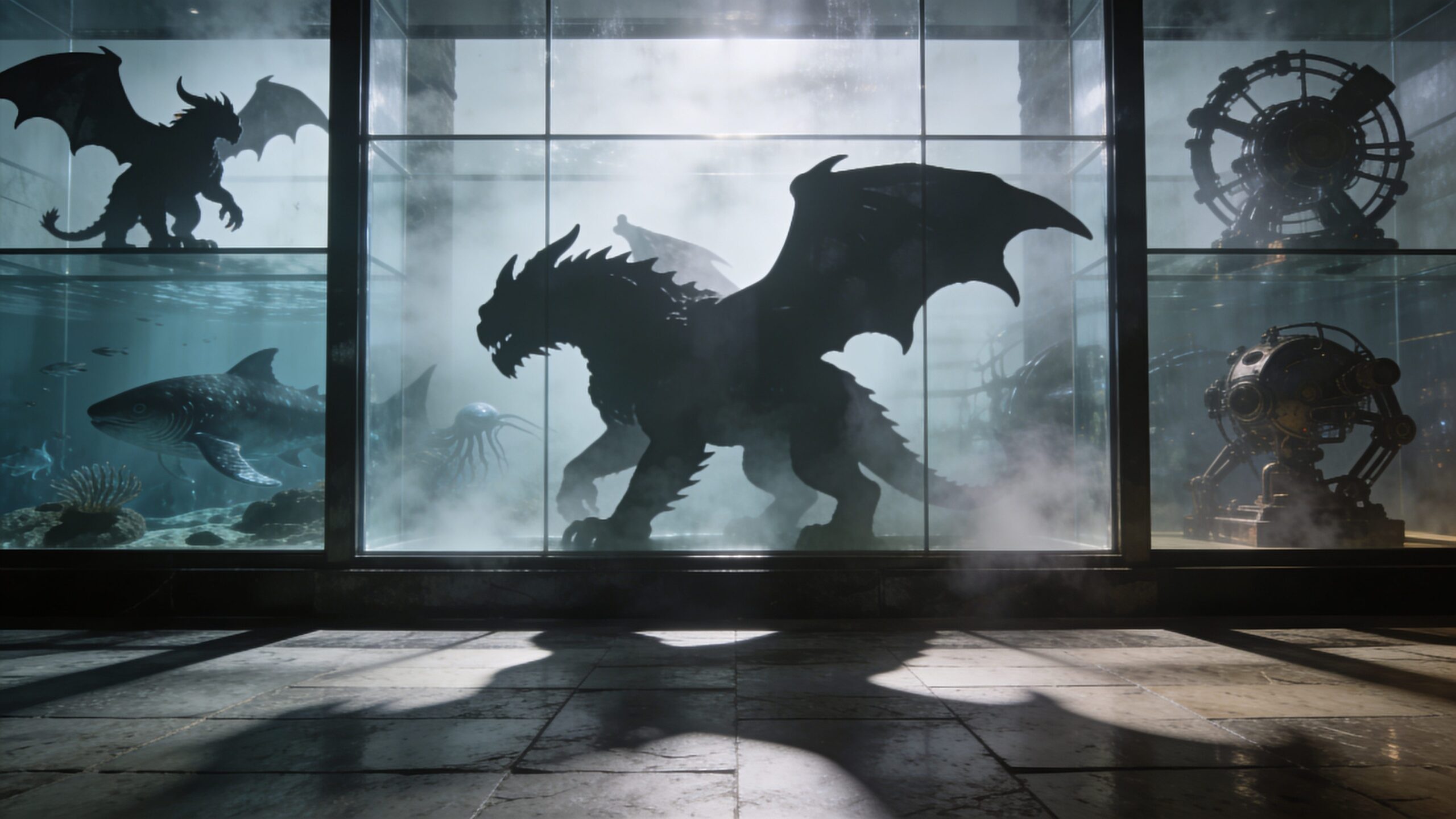
No fantasy creature carries more cinematic authority than the dragon. Dragons are ancient, elemental, and instantly majestic. They can be villains, guardians, weapons, gods, companions, or living disasters. In fantasy movies, a dragon’s appearance often signals that the story has reached mythic scale. It is no longer just a journey. It is a confrontation with something older, stronger, and more terrifying than ordinary life.
Movie dragons have evolved from puppets, miniatures, and stop-motion creations into breathtaking digital beings with detailed scales, expressive eyes, and enormous physical presence. Yet their power has never depended only on technology. A great cinematic dragon works because it feels like a legend made visible. Whether sleeping beneath treasure, circling a mountain, guarding a secret, or attacking from the sky, dragons remain the ultimate fantasy spectacle.
Orcs: The Face of Dark Armies
Orcs have become one of fantasy cinema’s most recognizable symbols of massed evil, war, and corruption. Their power comes from their physicality. They are usually brutal, armored, scarred, and relentless, giving fantasy battles a savage visual identity. When orcs march onto the screen, they transform conflict into something primal and terrifying. Their importance goes beyond their role as enemies. Orcs helped define the look of dark fantasy warfare. They gave filmmakers a way to show armies that felt monstrous without being completely alien. Their armor, weapons, language, posture, and movement all communicate a world shaped by violence. In the best fantasy films, orcs are not just disposable opponents. They are part of the atmosphere, making the world feel dangerous, ancient, and morally divided.
Elves: Beauty, Wisdom, and Immortal Grace
Elves represent the elegant side of fantasy. They are often portrayed as ancient, refined, graceful, and deeply connected to nature, magic, or lost civilizations. In film, elves helped establish the visual vocabulary of high fantasy: luminous forests, silver armor, flowing fabrics, sharp architecture, and a sense of melancholy beauty. They remind audiences that fantasy is not only about monsters. It is also about wonder.
What makes elves genre-defining is their contrast with humanity. They often seem wiser, older, and more disciplined, yet also distant from the urgency of mortal life. Their presence gives fantasy movies emotional depth because they carry history in their faces. They suggest that every quest is part of a much longer story. When elves appear on screen, the world immediately feels larger than the hero’s personal journey.
Trolls: Brutal, Strange, and Unforgettable
Trolls are among fantasy cinema’s most flexible creatures. They can be terrifying, funny, tragic, or grotesque depending on the story. Their size and awkward strength make them perfect for suspenseful confrontations, especially when heroes are smaller, weaker, or forced to rely on cleverness instead of force. A troll encounter often becomes a test of nerve, timing, and survival. In movies, trolls have helped define the rougher, earthier side of fantasy. Unlike dragons, which feel regal and mythic, trolls often feel dirty, heavy, and unpredictable. Their bodies are usually exaggerated, their movements lumbering, and their behavior simple but dangerous. This makes them excellent cinematic obstacles. They bring fantasy down from the clouds and into caves, bridges, forests, and shadowy ruins.
Goblins: Mischief in Monster Form
Goblins bring chaos to fantasy movies. They are smaller than trolls, less noble than elves, and often stranger than orcs. Their appeal lies in their unpredictability. Goblins can be thieves, inventors, tricksters, guards, merchants, cowards, or swarming threats. They add texture to fantasy worlds because they often occupy the messy spaces between comedy, danger, and weirdness.
Cinematically, goblins are useful because they make a fantasy world feel crowded and lived-in. Their crooked faces, cluttered workshops, underground cities, and frantic movements create instant atmosphere. They are rarely majestic, but they are memorable. Goblins help fantasy movies feel less polished and more alive, like every dark tunnel or forgotten market might be full of strange little lives with their own rules.
Centaurs: The Mythic Bridge Between Human and Beast
Centaurs occupy a powerful place in fantasy cinema because they combine human intelligence with animal strength. Their form immediately suggests duality: civilization and wilderness, wisdom and instinct, speech and speed. This makes them ideal for stories about ancient knowledge, prophecy, battle, or the relationship between humans and nature. On screen, centaurs are visually striking because they challenge the boundary between creature design and character performance. A convincing centaur must feel graceful, muscular, and emotionally present. When done well, they bring a classical mythic quality to fantasy movies. They remind viewers that many fantasy creatures come from older storytelling traditions, where monsters and spirits were used to explain the forces of the natural world.
Fauns and Satyrs: The Wild Heart of Enchantment
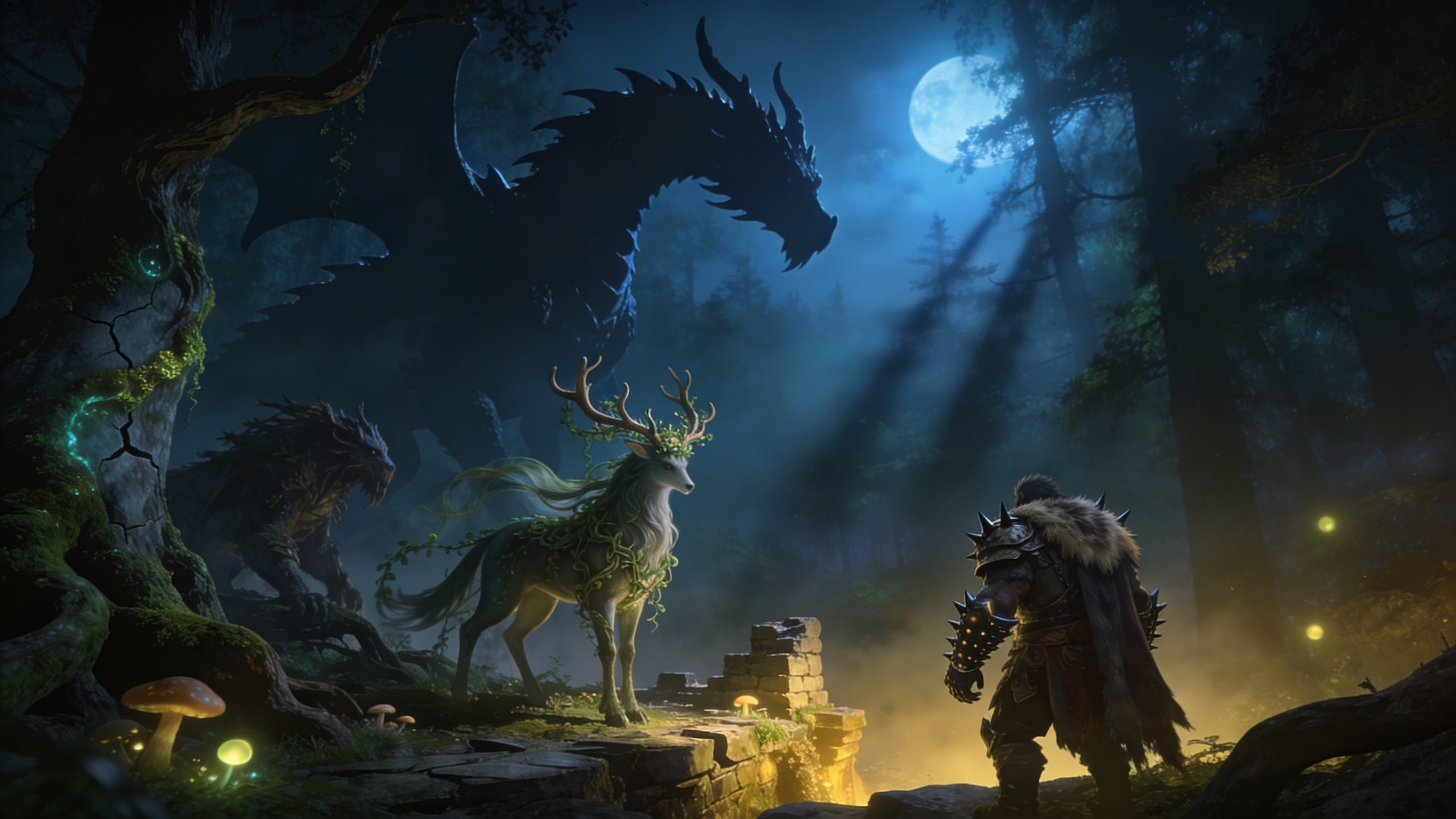
Fauns and satyrs bring mystery, music, temptation, and woodland magic into fantasy film. With their horns, hooves, expressive faces, and half-human forms, they often exist between innocence and danger. They may guide heroes, test them, deceive them, or introduce them to a hidden world. Their presence makes fantasy feel intimate rather than enormous.
These creatures are especially important because they embody the idea that magic can be both beautiful and unsettling. A faun standing in a snowy forest or candlelit chamber can feel gentle one moment and suspicious the next. This ambiguity makes them fascinating. They are not always monsters, but they are never entirely ordinary. They represent the old, strange intelligence of forests, rituals, and fairy tales.
Griffins: Nobility with Claws
The griffin, traditionally part eagle and part lion, is one of fantasy’s great symbols of majesty. In film, griffins often represent guardianship, royalty, courage, and sacred power. Their design combines the king of beasts with the ruler of the sky, giving them a naturally heroic presence. Even before a griffin acts, its silhouette feels noble. Though not always as common as dragons or trolls, griffins have helped shape the genre’s visual imagination. They show how fantasy creatures can blend animal forms into something instantly readable and emotionally powerful. A griffin does not need much explanation. Audiences understand its strength, intelligence, and grandeur almost immediately. That clarity is part of what makes it such an effective cinematic creature.
Unicorns: Purity, Mystery, and Rare Magic
Unicorns represent one of fantasy cinema’s most delicate forms of wonder. Unlike many creatures that threaten heroes, unicorns often symbolize purity, rarity, healing, and unreachable beauty. Their power comes from restraint. A unicorn does not need to roar or destroy a castle to feel magical. Its very presence suggests that the world still contains something sacred.
In movies, unicorns often appear in moments of awe, innocence, or transformation. They remind audiences that fantasy is not only about conflict. It is also about glimpsing something impossible and feeling changed by it. The unicorn’s influence on the genre lies in its emotional simplicity. It turns wonder into an image: a luminous creature in the dark, fragile yet powerful, gentle yet untouchable.
Sea Monsters: Fear Beneath the Surface
Fantasy cinema has always understood the power of unseen depths. Sea monsters represent the terror of what lies below, beyond maps, beneath ships, and outside human control. They can be serpents, krakens, leviathans, or enormous hybrid beasts. Their scale makes them perfect for cinematic spectacle, but their real power comes from suspense. The water hides them until it is too late. Sea monsters helped define fantasy adventure by making the journey itself dangerous. A hero does not need to enter a castle or battlefield to face mythic danger. Sometimes the ocean is the monster’s kingdom. These creatures also connect fantasy to ancient seafaring legends, where storms, whirlpools, and disappearances were imagined as the work of living horrors beneath the waves.
Tree Guardians and Living Forests
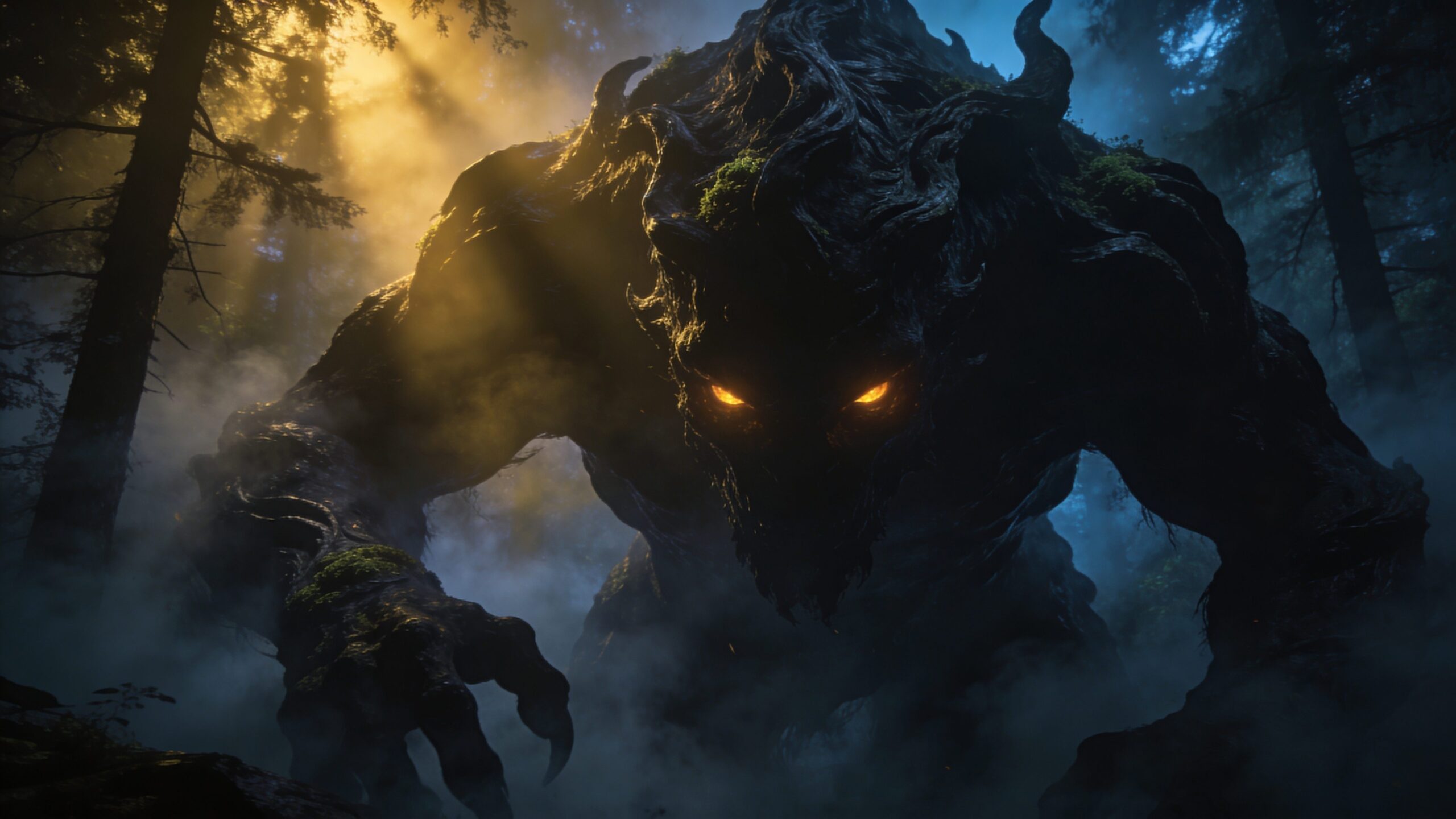
Living trees and forest guardians give fantasy movies a spiritual connection to nature. They are slow, ancient, powerful, and patient. Unlike fast-moving monsters, they carry the weight of centuries. When a tree creature speaks or moves, the moment feels important because it suggests that the natural world itself has chosen to act.
These beings helped define the environmental and mythic side of fantasy cinema. They turn forests into characters rather than settings. They also challenge the usual rhythm of action-heavy storytelling. A tree guardian does not need to be quick to be powerful. Its strength comes from age, rootedness, memory, and endurance. In a genre filled with swords and spells, living forests offer a different kind of magic.
Fairies and Winged Spirits
Fairies, sprites, and winged spirits bring small-scale magic into fantasy film. They are proof that a creature does not need to be massive to be memorable. Their size allows them to slip into hidden corners of the world, turning flowers, moonlight, dust, and shadows into places of wonder. They often represent enchantment at its most delicate and unpredictable. In movies, fairies can be playful, dangerous, loyal, vain, wise, or mischievous. This flexibility makes them enduring fantasy figures. They also expand the genre’s visual range. While dragons dominate the sky and trolls shake the ground, fairies make the air sparkle with secret life. They remind audiences that magic can be tiny, fast, and easy to miss.
Giants: Scale Made Personal
Giants are among the oldest fantasy creatures because they dramatize scale in the simplest possible way. They are like humans, but impossibly large. That resemblance makes them both fascinating and frightening. A giant can be a gentle protector, a lonely outcast, a foolish brute, or a devastating enemy. Their emotional range is part of their cinematic strength.
Fantasy movies use giants to make the world feel physically overwhelming. A single footstep can shake the ground. A hand can become a bridge, a weapon, or a threat. Giants also allow filmmakers to explore themes of misunderstanding and perspective. Because they resemble humans, their monstrousness often depends less on appearance and more on behavior, making them surprisingly complex when handled well.
Dark Lords’ Beasts and Nightmare Creatures
Some fantasy creatures are created not from mythic beauty but from corruption. These are the nightmare mounts, shadow beasts, demon-like servants, and unnatural predators that follow dark powers. They are designed to make evil feel embodied. Their twisted forms, sharp movements, and unnatural sounds turn abstract darkness into something that can chase, bite, and destroy. These creatures defined the darker edge of fantasy cinema. They made evil armies more than political forces. They made them supernatural. A dark lord becomes more terrifying when surrounded by creatures that look as if they were bred from fear itself. These beings help raise the stakes because they suggest that the villain’s influence has infected nature, magic, and life.
Why Fantasy Creatures Matter So Much
Fantasy creatures matter because they are emotional shortcuts into worldbuilding. A single creature can tell the audience what kind of world they are entering. Dragons suggest ancient power. Elves suggest lost wisdom. Goblins suggest disorder. Trolls suggest danger. Unicorns suggest purity. Sea monsters suggest the unknown. These creatures communicate atmosphere instantly, often before a character explains anything.
They also give fantasy movies their sense of scale. Human stories become mythic when surrounded by beings that are older, stranger, stronger, or more magical than humans. A hero’s courage means more when the enemy is monstrous. A kingdom feels more enchanted when its forests contain spirits. A journey feels more epic when the sky, sea, and earth are inhabited by legends.
Practical Effects, CGI, and the Creature Renaissance
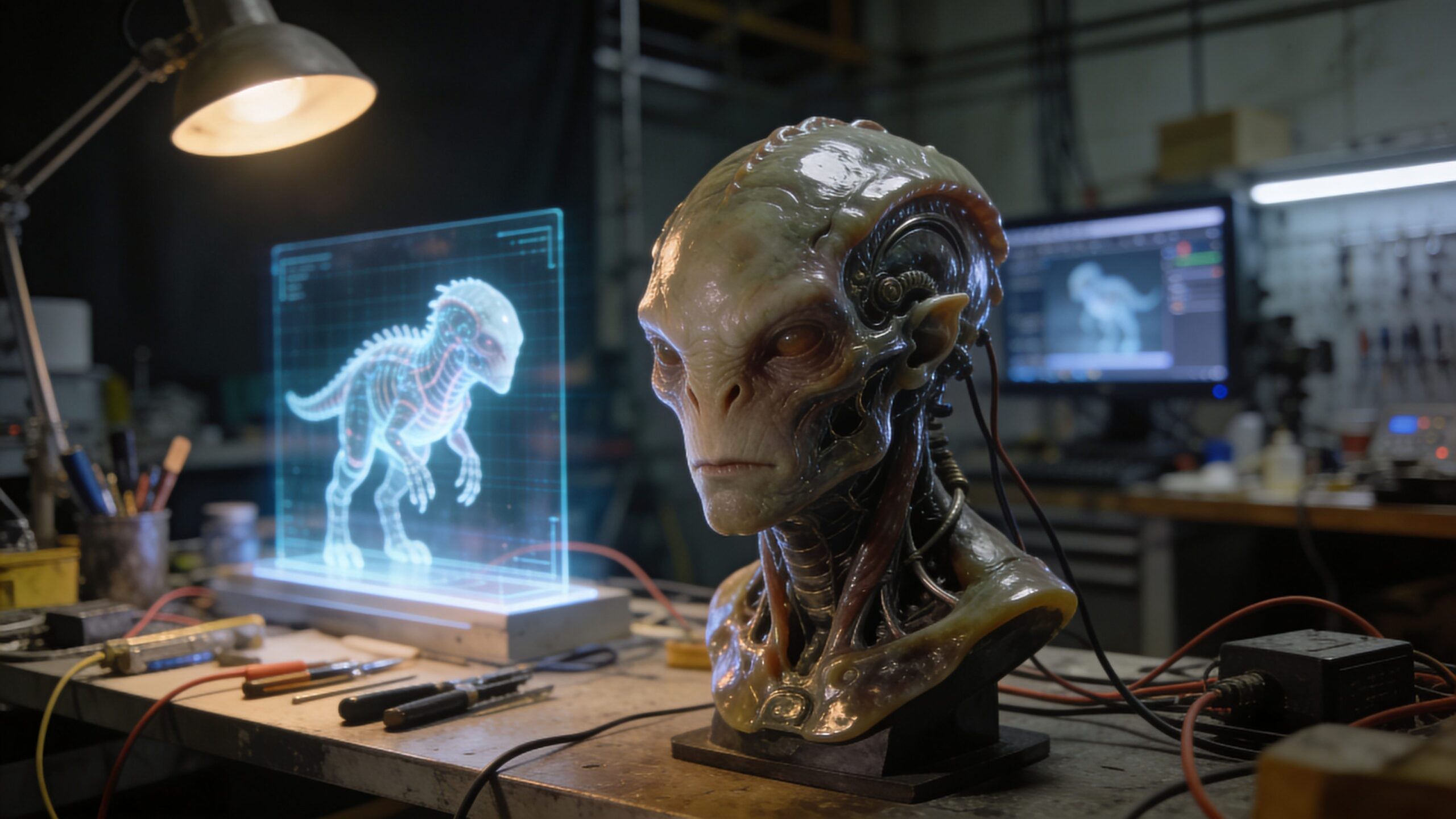
The fantasy creatures that defined the genre were shaped by both artistry and technology. Practical effects gave early creatures physical presence through costumes, puppets, prosthetics, animatronics, and miniatures. These methods made creatures feel tangible because they existed on set with actors. Their imperfections often became part of their charm. CGI later expanded fantasy cinema’s imagination. Suddenly dragons could fly with impossible grace, armies of creatures could fill the horizon, and hybrid beings could move in ways no suit performer or puppet could manage. The best modern fantasy films often combine both traditions. Practical textures, real lighting, motion capture, and digital enhancement work together to create creatures that feel both magical and believable.
The Legacy of Genre-Defining Creatures
The greatest fantasy creatures endure because they become part of the audience’s imagination. Viewers remember the first time they saw a dragon open its wings, a troll emerge from darkness, a unicorn step into moonlight, or a forest guardian awaken. These moments define the genre because they capture what fantasy promises: the ordinary world transformed by impossible life.
Fantasy cinema will continue to invent new creatures, but the classics remain powerful because they connect to ancient fears and timeless dreams. They remind us that stories are not limited to human faces. Sometimes the soul of a fantasy film lives in claws, wings, horns, scales, hooves, branches, or glowing eyes. These creatures are not just part of the genre. They are the reason the genre feels magical.