The Timeless Power of Movie Monsters
Movie monsters have always held a unique place in cinema, acting as both reflections of human fear and symbols of imagination unleashed. From the earliest days of film, these creatures have captivated audiences by embodying the unknown, the uncontrollable, and the extraordinary. Whether lurking in shadows or towering over cities, monsters give filmmakers a powerful way to explore themes of survival, morality, and the limits of human understanding. What makes movie monsters so enduring is their ability to evolve alongside technology and culture. Early audiences were terrified by simple practical effects and clever lighting, while modern viewers are immersed in hyper-realistic CGI creations that feel almost tangible. Despite these changes, the core appeal remains the same: monsters tap into primal emotions while offering thrilling spectacle, making them an essential part of cinematic storytelling.
A: Strong design, story relevance, and emotional impact.
A: Both have strengths; many films combine them.
A: Their scale creates awe and cinematic spectacle.
A: Nature, mythology, and imagination.
A: Not always; some symbolize wonder or protection.
A: Through layered real-world audio effects.
A: Recording human movement for digital creatures.
A: The unknown depths amplify fear.
A: Often partially, but heavily stylized.
A: AI-driven design and hyper-realistic rendering.
The Golden Age of Classic Horror Creatures
The foundation of movie monsters was built during the golden age of horror, when filmmakers relied on makeup, costumes, and atmosphere to create unforgettable creatures. These early monsters were often rooted in folklore or gothic literature, bringing tales of vampires, reanimated corpses, and cursed beings to life. Their designs may seem simple by today’s standards, but their impact was profound, establishing visual and narrative tropes that still influence films today.
Classic horror monsters thrived on suggestion rather than explicit detail. Shadows, silhouettes, and eerie sound design allowed audiences to imagine horrors far greater than what was shown on screen. This psychological approach made these creatures deeply unsettling, proving that fear often comes from what we cannot fully see. Even in an era dominated by digital effects, these early monsters remain iconic because of their timeless ability to evoke dread.
Practical Effects and the Rise of Creature Realism
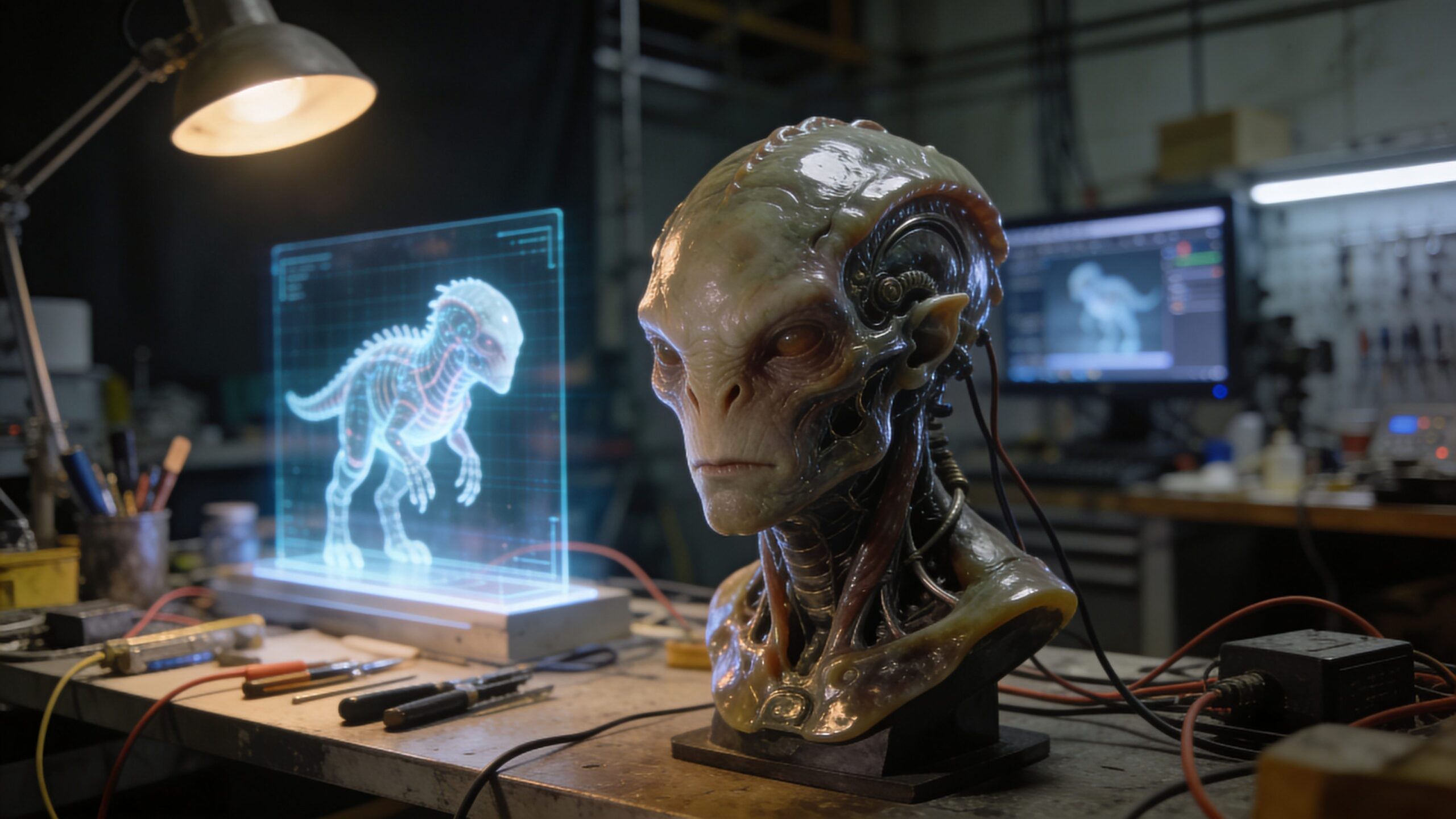
As filmmaking technology advanced, practical effects brought a new level of realism to movie monsters. Animatronics, puppetry, and elaborate costumes allowed creatures to interact physically with actors and environments, creating a sense of authenticity that audiences could feel. This era marked a shift toward more detailed and believable monster designs, where movement and texture played a crucial role in immersion. Practical effects also gave filmmakers greater creative control, allowing them to craft creatures with distinct personalities and behaviors. The tactile nature of these effects made monsters feel grounded, even when their designs were fantastical. This period demonstrated that realism in creature design is not just about visual fidelity but also about how a monster moves, reacts, and exists within its world.
The CGI Revolution and Modern Monster Design
The introduction of computer-generated imagery transformed the way movie monsters are created and experienced. CGI opened the door to creatures that were previously impossible to depict, from massive titans to intricately detailed alien beings. These digital tools allow filmmakers to push the boundaries of imagination, creating monsters that are not only visually stunning but also seamlessly integrated into their environments.
Modern CGI monsters often combine realism with artistic creativity, resulting in designs that feel both believable and otherworldly. Advances in motion capture and rendering technology have enabled filmmakers to capture subtle expressions and lifelike movements, bringing emotional depth to creatures that might otherwise seem purely destructive. This evolution has redefined what audiences expect from movie monsters, raising the bar for both spectacle and storytelling.
Giant Monsters and the Appeal of Scale
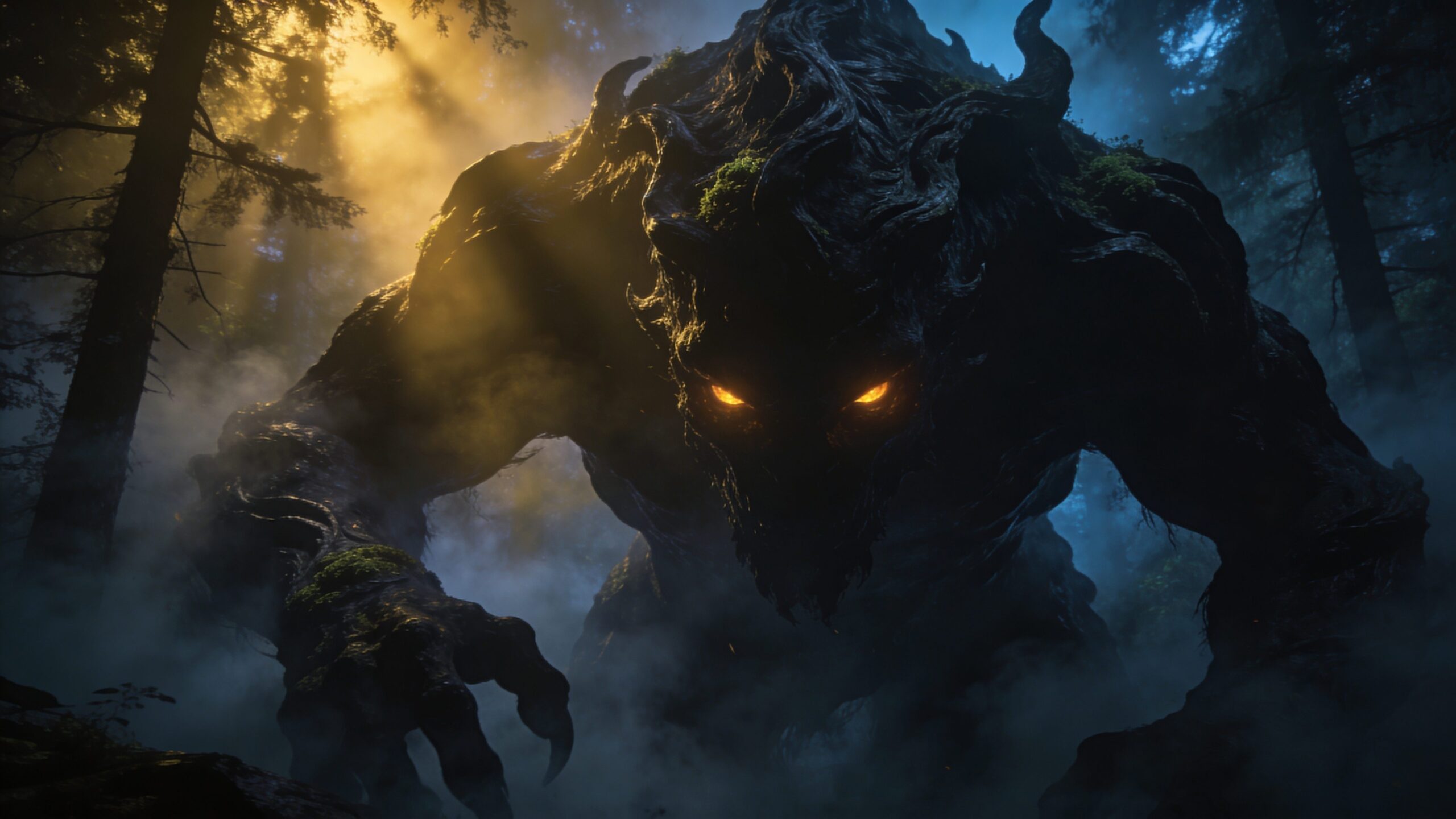
Few things capture the imagination like giant monsters dominating the screen. These colossal creatures represent the ultimate loss of control, towering over cities and reducing human achievements to insignificance. Their sheer size creates a sense of awe and terror, making them some of the most memorable figures in cinematic history. The appeal of giant monsters lies in their ability to combine spectacle with symbolism. They often reflect societal fears, such as environmental destruction or technological overreach, while delivering breathtaking visual moments. The scale of these creatures allows filmmakers to explore destruction on a grand level, creating scenes that are both thrilling and thought-provoking.
Mythical Beasts and Fantasy Legends
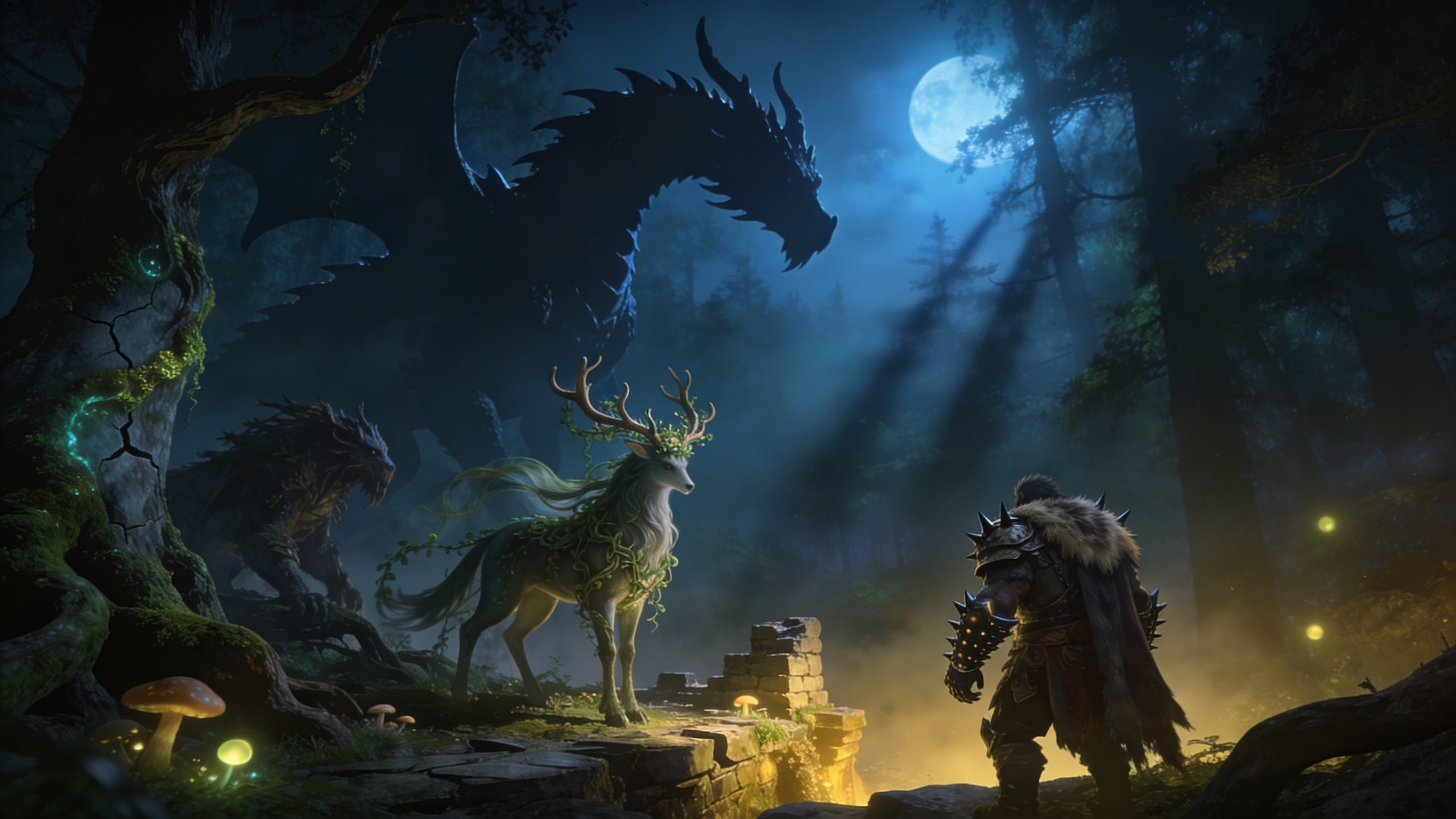
Mythical creatures bring a sense of wonder and magic to film, drawing from ancient legends and cultural storytelling traditions. Dragons, phoenixes, and other fantastical beings have become staples of cinema, offering audiences a glimpse into worlds where the impossible feels real. These creatures often serve as guardians, companions, or forces of nature, adding depth to the narratives they inhabit.
The success of mythical beasts in film is rooted in their rich histories and symbolic meanings. They are not just visual spectacles but also carriers of myth and lore, connecting modern audiences to timeless stories. Their presence in film allows for expansive world-building, where entire ecosystems and civilizations revolve around these extraordinary beings.
Aquatic Monsters and the Fear of the Unknown
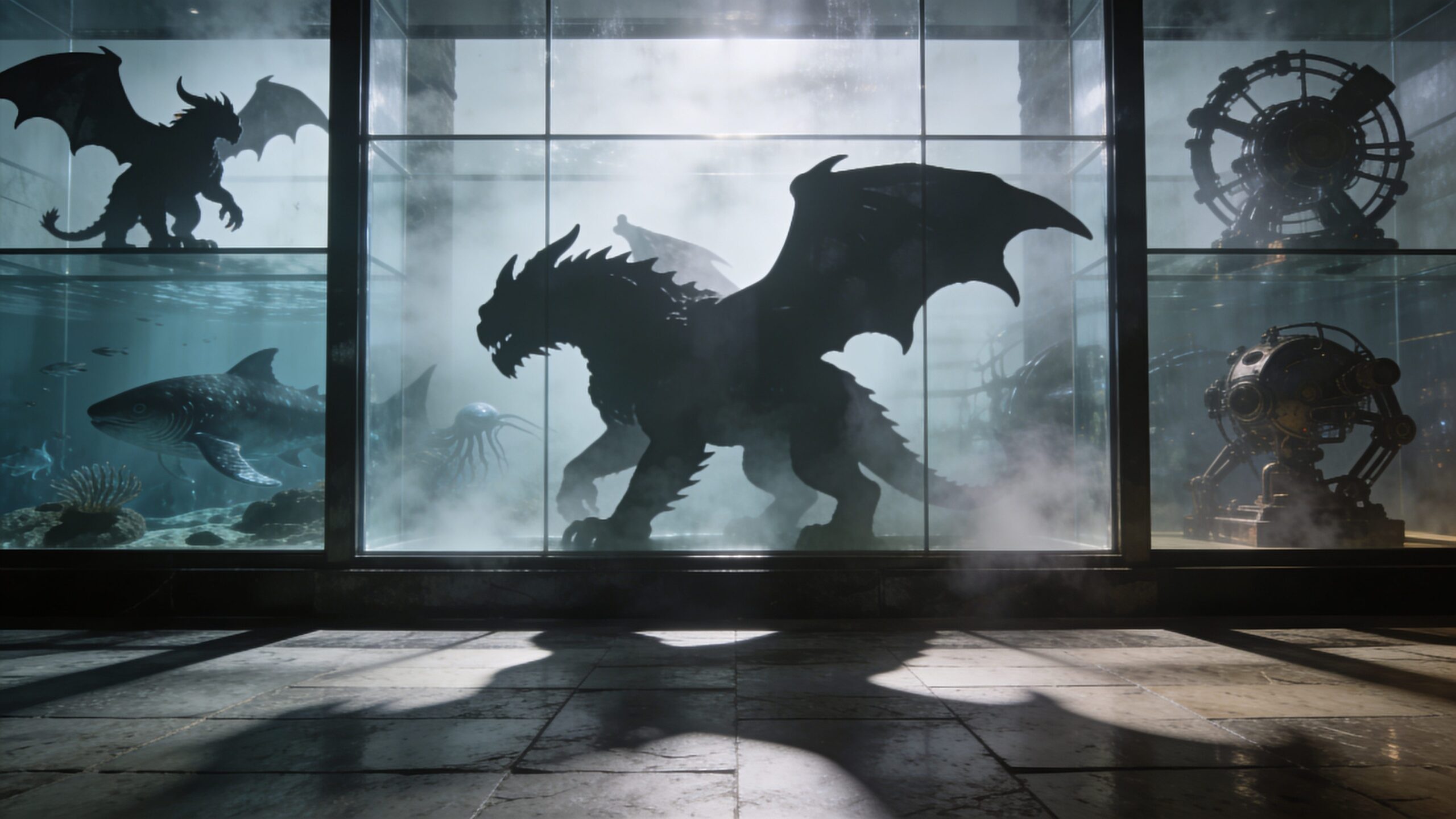
The depths of the ocean have always been a source of mystery, making aquatic monsters particularly effective in film. These creatures thrive in environments that are largely unexplored, amplifying the fear of the unknown. Their movements through water create a sense of unpredictability, as they can appear suddenly and vanish just as quickly. Aquatic monsters often blur the line between realism and imagination, drawing inspiration from real marine life while exaggerating their features for dramatic effect. This blend of familiarity and fantasy makes them especially unsettling, as audiences can recognize elements of truth within their designs. The result is a category of monsters that feels both plausible and terrifying.
Hybrid and Mechanical Creatures
Hybrid and mechanical creatures represent the intersection of biology and technology, offering a glimpse into the possibilities of evolution and innovation. These monsters often challenge traditional definitions of life, combining organic and artificial elements in ways that are both fascinating and unsettling. Their designs reflect humanity’s curiosity and fear of creating something beyond its control.
Mechanical creatures, in particular, highlight the influence of science fiction on monster design. They embody themes of artificial intelligence and technological advancement, raising questions about the consequences of pushing boundaries too far. Hybrid creatures, on the other hand, explore transformation and identity, creating compelling narratives that go beyond simple horror or action.
What Makes a Movie Monster Truly Iconic
Not all movie monsters achieve iconic status. The ones that do often share certain qualities that set them apart. A strong visual design is essential, but it is only part of the equation. Iconic monsters also have a clear purpose within their stories, whether as antagonists, symbols, or even tragic figures. Their presence must feel integral to the narrative rather than purely decorative. Emotional impact is another key factor. The best movie monsters evoke more than just fear; they create a lasting impression that resonates with audiences long after the film ends. This connection can come from their backstory, their behavior, or the themes they represent. When all these elements come together, a monster becomes more than a creature—it becomes a cultural icon.
The Future of Movie Monsters
As technology continues to evolve, the future of movie monsters looks more exciting than ever. Advances in artificial intelligence, virtual production, and real-time rendering are opening new possibilities for creature design and storytelling. These tools allow filmmakers to create monsters that are not only visually stunning but also deeply interactive and responsive.
Despite these advancements, the essence of movie monsters will remain rooted in storytelling. No matter how realistic or complex they become, their success will always depend on their ability to connect with audiences on an emotional level. The next generation of movie monsters will likely blend cutting-edge technology with timeless narrative principles, ensuring that they continue to captivate and inspire.
Why Movie Monsters Will Always Matter
Movie monsters endure because they reflect the fears, dreams, and curiosities of the societies that create them. They evolve with each generation, adapting to new technologies and cultural shifts while maintaining their core appeal. Whether they are terrifying, awe-inspiring, or even sympathetic, these creatures remind us of the power of imagination and the endless possibilities of storytelling. From classic horror icons to modern CGI legends, movie monsters have proven that they are more than just entertainment. They are a vital part of cinematic history, shaping the way stories are told and experienced. As long as there are stories to tell, there will always be monsters waiting to take center stage.