Haunted Ruin Monsters Ancient Places Said: A Focused Creature-Street Guide
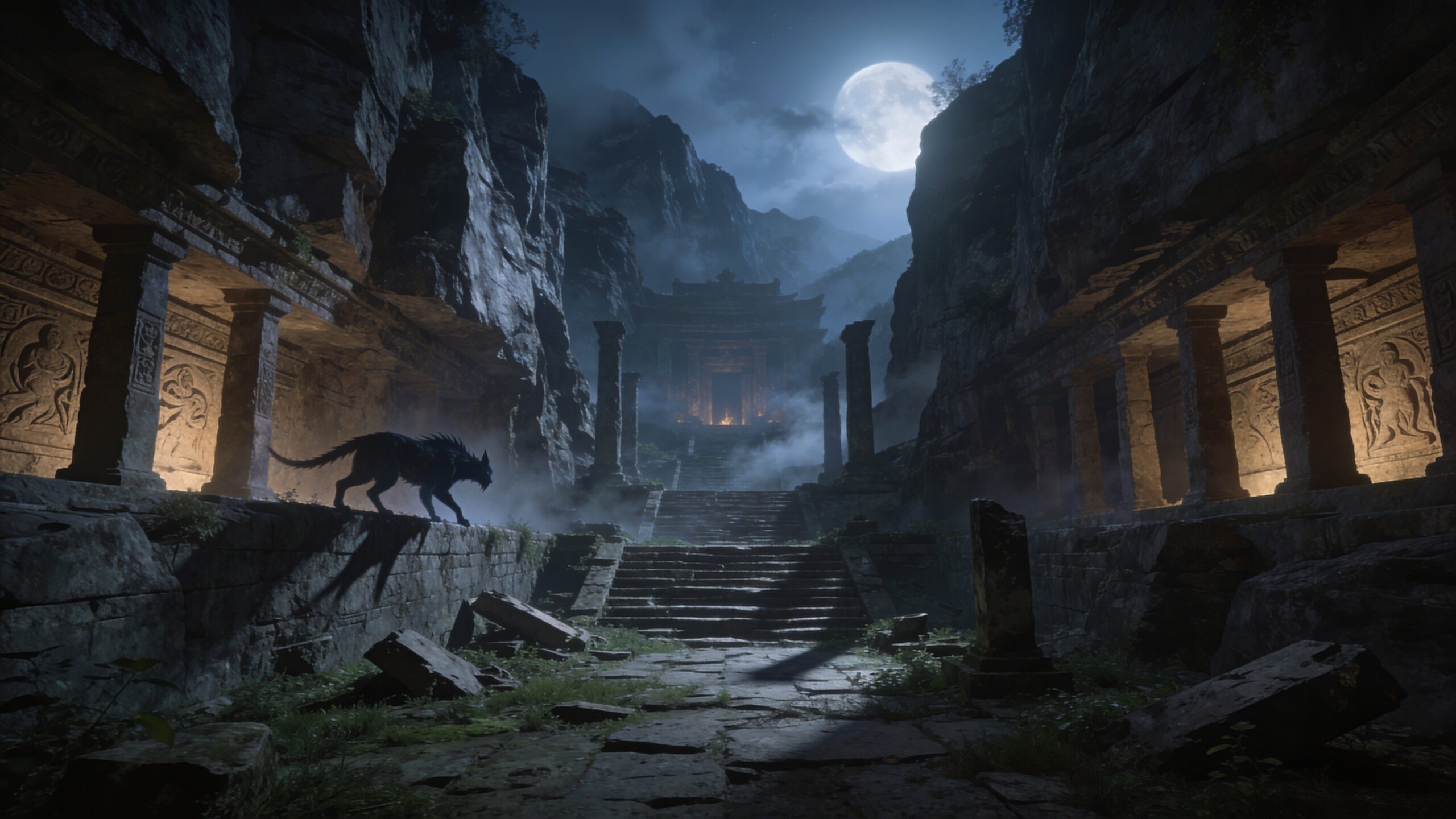
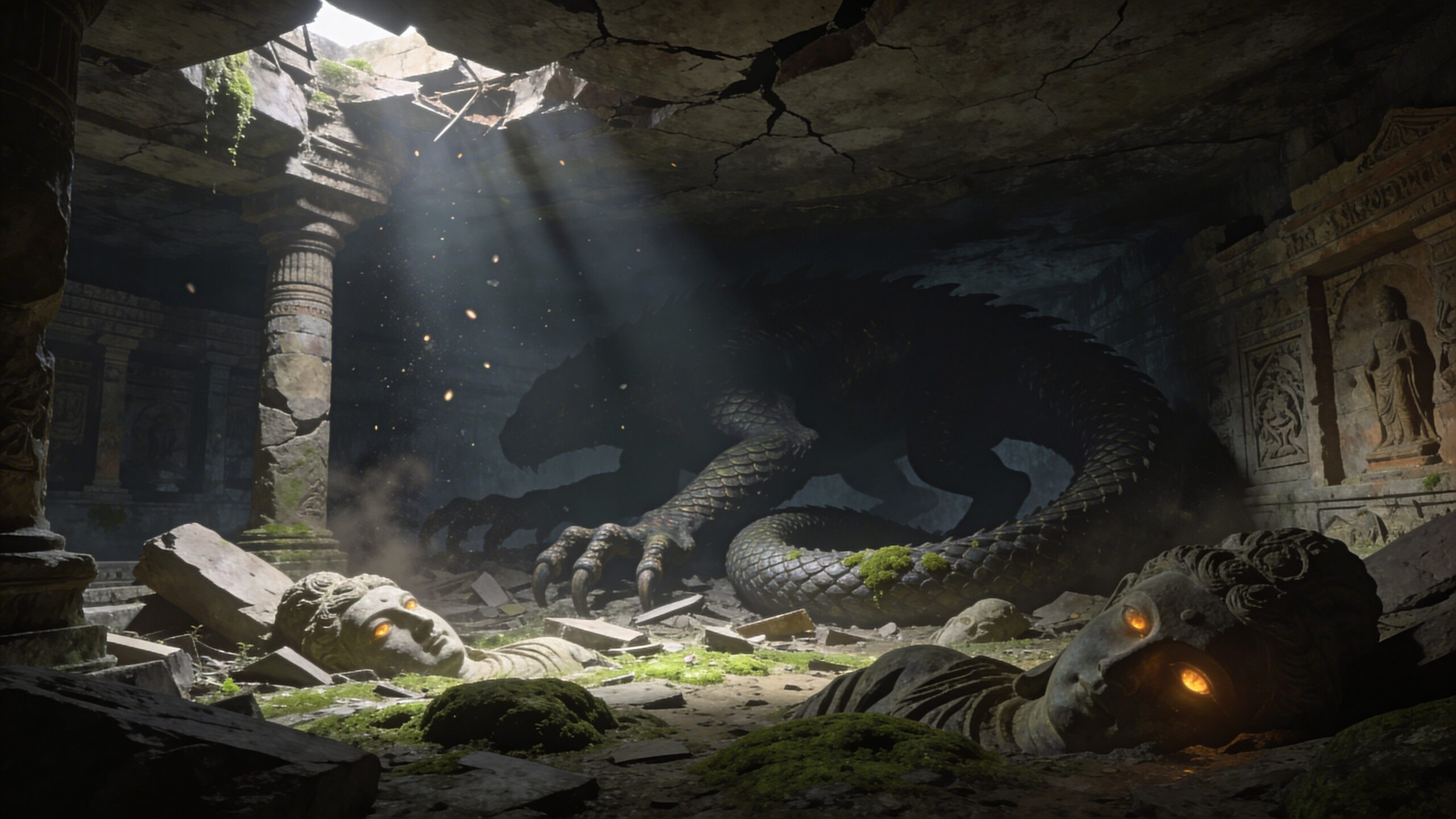
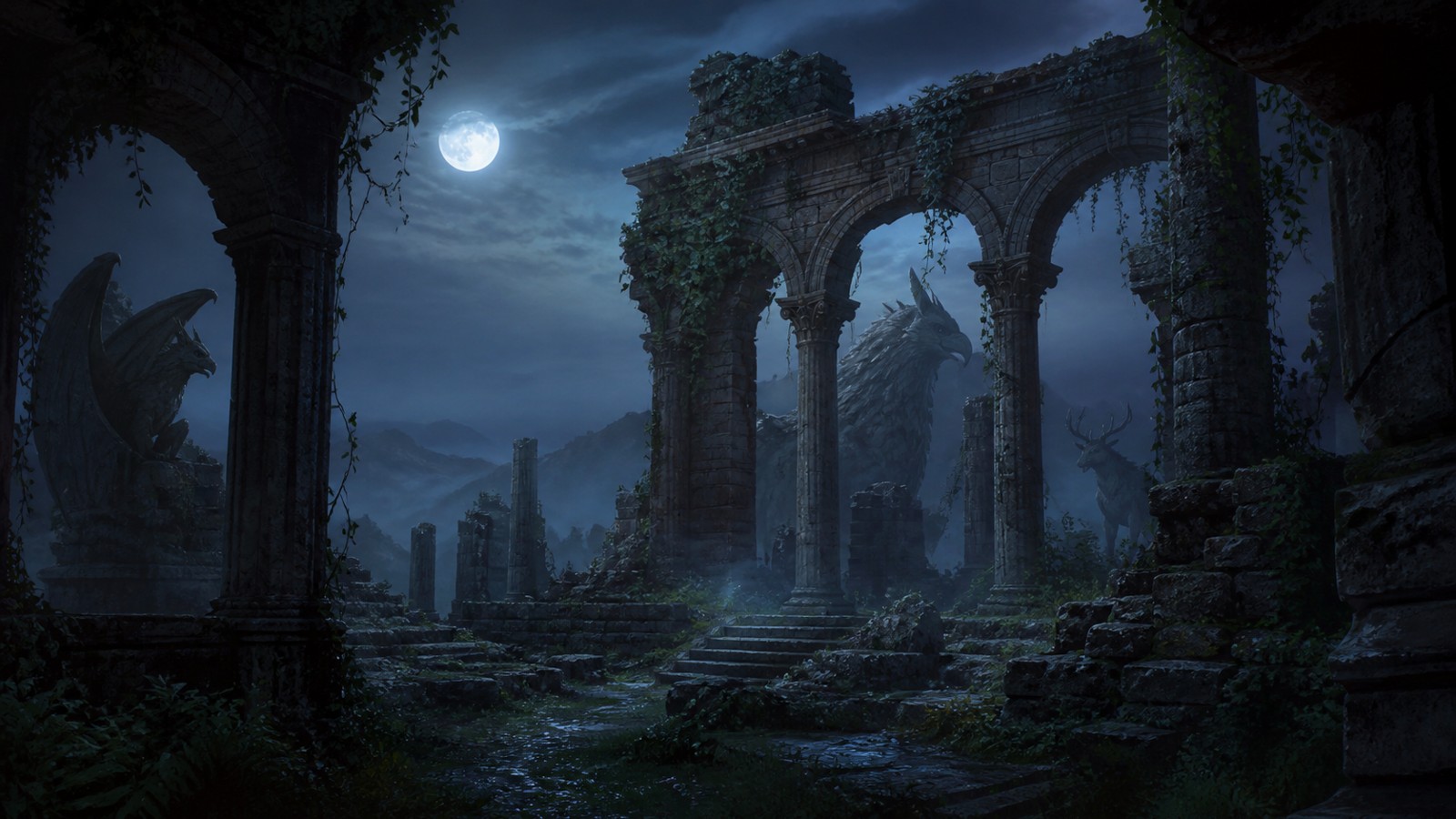
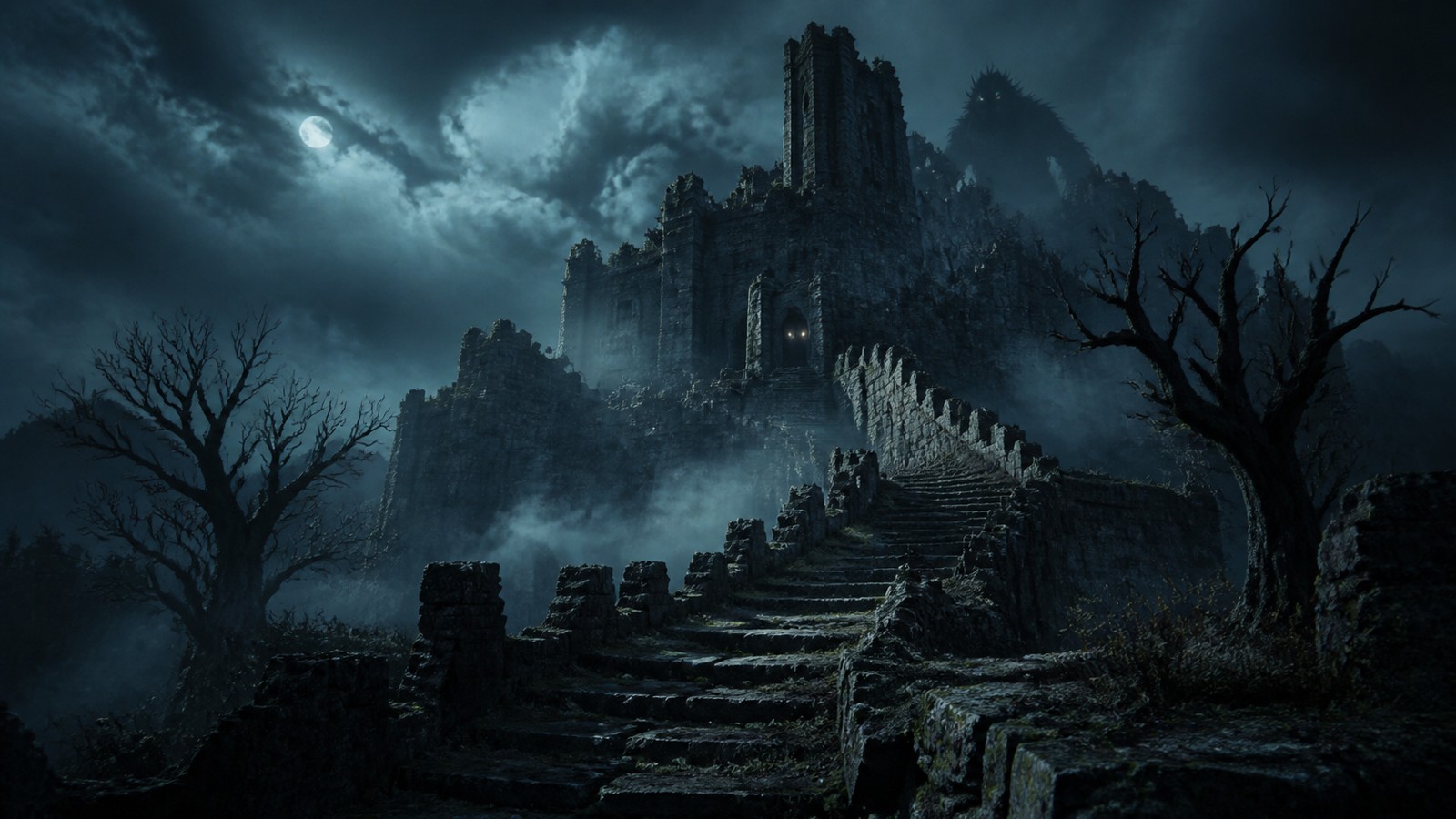
Haunted Ruin Monsters: Ancient Places Said to Hide Creatures deserves a focused explanation because its appeal comes from haunted ruins, monster rumors, storm weather, local memory, cursed chambers, and the blend of ghost story and creature feature. This rewrite treats the subject as its own problem instead of forcing it through a shared article pattern. The goal is to give Creature Street readers a clear way to read the signs, settings, behaviors, and story uses that make this topic distinct, while keeping the article grounded enough for fantasy fans, mythology readers, and creature-design curious visitors to compare it with nearby posts without feeling they have already read the same piece.
A Haunted Ruin Does Not Need a Ghost to Feel Watched
Another useful angle is what ordinary people inside the story would do next. They might avoid the ruined fortress, mark the path near storm tower, or retell the warning whenever broken bell appears. Those social reactions keep Haunted Ruin Monsters: Ancient Places Said to Hide Creatures tied to human memory. A creature becomes folklore when behavior changes around it.
Design restraint matters here. Adding cold stairwell, lantern stain, and salt circle all at once can overload the idea unless each one answers a different question. The better approach is to let the abbey crypt establish mood, then let one creature feature complicate it. That creates a clean path from observation to belief.
Weather, Echo, and the Architecture of Dread
By the end of this section, the reader should be able to connect cold stairwell with lantern stain and explain why echoing hall belongs near a abbey crypt. That connection is the real value of the topic. It turns scattered details into a usable framework. It also makes the next encounter with haunted ruin monsters ancient places said easier to read.
Monster Rumors That Grow from Local Memory
The useful question is not whether the idea is dramatic enough. It is whether grave niche and wolf door make the creature's presence feel earned near a storm battlement. A believable account gives the audience one sensory anchor, one behavioral clue, and one reason the legend would be retold. When watchfire mark enters the picture, the subject gains texture without needing a louder claim.
A weak version would simply announce that the topic is mysterious. A stronger version lets broken bell appear beside collapsed crypt, then uses the abandoned keep to narrow the possibilities. Readers can feel the difference because the explanation moves from mood to mechanics. That is especially important for Haunted Ruin Monsters: Ancient Places Said to Hide Creatures, where a broad premise can become generic unless each detail has a job.
Crypts, Wells, and the Fear of Hidden Depths
In a abandoned keep, the creature is partly read through absence. Missing noise, disturbed ground, damaged stone, or a wrong movement can matter as much as a direct sighting. Here, broken bell works as a first sign, collapsed crypt as a pressure point, and storm tower as the feature that makes the scene hard to forget. The explanation succeeds when readers can imagine what happened before they arrived.
Why Old Battle Sites Attract Creature Stories
Readers tend to remember the moment when the scale becomes personal. That may be a glimpse of lantern stain, a sudden hint of salt circle, or the realization that the ruined fortress is not empty. The paragraph should translate that moment into clear reasoning. Fear, wonder, and curiosity all become stronger when the article explains why the witness would notice this exact clue.
The strongest examples avoid treating the creature as a sticker placed on top of scenery. Instead, wolf door affects movement, echoing hall affects interpretation, and broken bell affects the emotional temperature of the scene. A abbey crypt then becomes more than a backdrop. It becomes the condition that makes this creature, and not some other creature, feel inevitable.
Evidence That Feels Half Natural, Half Supernatural
Design restraint matters here. Adding wolf door, echoing hall, and lantern stain all at once can overload the idea unless each one answers a different question. The better approach is to let the abbey crypt establish mood, then let one creature feature complicate it. That creates a clean path from observation to belief.
The article also needs a boundary around speculation. Collapsed crypt can be suggestive, and black ivy can be visually rich, but neither should pretend to prove more than the topic can support. By placing uncertainty inside the storm battlement, the explanation stays honest. It gives readers room to enjoy the legend without being pushed into a false certainty.
By the end of this section, the reader should be able to connect salt circle with watchfire mark and explain why collapsed crypt belongs near a abandoned keep. That connection is the real value of the topic. It turns scattered details into a usable framework. It also makes the next encounter with haunted ruin monsters ancient places said easier to read.
The Difference Between Haunting and Habitat
Collapsed crypt is the detail that gives the difference between haunting and habitat its edge. Around a storm battlement, it changes the reader's sense of what can be trusted, because the creature idea is no longer floating in abstract lore. The stronger version links black ivy to collapsed crypt, then lets the environment explain why the danger or wonder belongs there. That kind of specificity keeps haunted ruin monsters ancient places said from feeling interchangeable with another monster topic.
When Ruin Horror Becomes Too Vague
A weak version would simply announce that the topic is mysterious. A stronger version lets salt circle appear beside watchfire mark, then uses the abandoned keep to narrow the possibilities. Readers can feel the difference because the explanation moves from mood to mechanics. That is especially important for Haunted Ruin Monsters: Ancient Places Said to Hide Creatures, where a broad premise can become generic unless each detail has a job.
When Ruin Horror Becomes Too Vague also depends on pacing. The article should pause long enough for echoing hall to register, but not so long that the creature turns into a museum label. A second clue such as sealed well can shift attention from appearance to behavior, while black ivy keeps the surrounding world present. The result feels like a guided encounter rather than a list of traits.
Building a Monster Around the Site's Wound
The cultural side of the topic needs the same care as the visual side. A reference to echoing hall should not flatten into a universal symbol if sealed well points toward a more local meaning. Placing the creature near a ruined fortress helps preserve that difference. It reminds readers that legends usually come from a particular fear, landscape, craft, or memory.
This final pass matters because the surrounding category contains neighboring articles with similar creature language. The distinction here comes from the specific evidence, the kind of setting pressure involved, and the way a reader would test the idea in an actual story or sighting account.
That focus keeps the topic useful as an explainer. It gives readers a reason to compare the article with related Creature Street posts while still finding a different structure, different examples, and a different path through the material.
The best version therefore stays close to the subject's own clues. It does not need to inflate every creature into a world-ending threat; it only needs to show why this particular legend, habitat, medium, or design problem creates its own kind of fascination.
This final pass matters because the surrounding category contains neighboring articles with similar creature language. The distinction here comes from the specific evidence, the kind of setting pressure involved, and the way a reader would test the idea in an actual story or sighting account.
That focus keeps the topic useful as an explainer. It gives readers a reason to compare the article with related Creature Street posts while still finding a different structure, different examples, and a different path through the material.
The best version therefore stays close to the subject's own clues. It does not need to inflate every creature into a world-ending threat; it only needs to show why this particular legend, habitat, medium, or design problem creates its own kind of fascination.
This final pass matters because the surrounding category contains neighboring articles with similar creature language. The distinction here comes from the specific evidence, the kind of setting pressure involved, and the way a reader would test the idea in an actual story or sighting account.
That focus keeps the topic useful as an explainer. It gives readers a reason to compare the article with related Creature Street posts while still finding a different structure, different examples, and a different path through the material.
The best version therefore stays close to the subject's own clues. It does not need to inflate every creature into a world-ending threat; it only needs to show why this particular legend, habitat, medium, or design problem creates its own kind of fascination.
This final pass matters because the surrounding category contains neighboring articles with similar creature language. The distinction here comes from the specific evidence, the kind of setting pressure involved, and the way a reader would test the idea in an actual story or sighting account.
That focus keeps the topic useful as an explainer. It gives readers a reason to compare the article with related Creature Street posts while still finding a different structure, different examples, and a different path through the material.
The best version therefore stays close to the subject's own clues. It does not need to inflate every creature into a world-ending threat; it only needs to show why this particular legend, habitat, medium, or design problem creates its own kind of fascination.
This final pass matters because the surrounding category contains neighboring articles with similar creature language. The distinction here comes from the specific evidence, the kind of setting pressure involved, and the way a reader would test the idea in an actual story or sighting account.
That focus keeps the topic useful as an explainer. It gives readers a reason to compare the article with related Creature Street posts while still finding a different structure, different examples, and a different path through the material.
The best version therefore stays close to the subject's own clues. It does not need to inflate every creature into a world-ending threat; it only needs to show why this particular legend, habitat, medium, or design problem creates its own kind of fascination.
This final pass matters because the surrounding category contains neighboring articles with similar creature language. The distinction here comes from the specific evidence, the kind of setting pressure involved, and the way a reader would test the idea in an actual story or sighting account.
That focus keeps the topic useful as an explainer. It gives readers a reason to compare the article with related Creature Street posts while still finding a different structure, different examples, and a different path through the material.
The best version therefore stays close to the subject's own clues. It does not need to inflate every creature into a world-ending threat; it only needs to show why this particular legend, habitat, medium, or design problem creates its own kind of fascination.