The Living Mystery Beneath the Canopy
Rainforests are among the most biologically rich environments on Earth, yet they remain some of the least explored. Towering trees, tangled undergrowth, and vast river systems create a world where visibility is limited and discovery is constant. Within these dense ecosystems, countless species have been identified over time, but many areas still hold secrets. It is within this uncertainty that stories of cryptids—unknown or unverified creatures—continue to thrive. The idea of rainforest cryptids exists at the intersection of science, folklore, and human curiosity. Indigenous communities, explorers, and researchers alike have reported encounters with creatures that do not match known species. Whether these accounts represent undiscovered animals, misidentified wildlife, or deeply rooted cultural narratives is a question that continues to fuel fascination across the world.
A: No confirmed proof, but sightings persist.
A: Dense ecosystems allow creatures to stay hidden.
A: It’s possible given ongoing discoveries.
A: Some are credible, others less so.
A: Mostly eyewitness accounts and tracks.
A: Camouflage and nocturnal behavior.
A: Most reports suggest avoidance of humans.
A: Yes, under cryptozoology and biology.
A: Many discoveries started as folklore.
A: Future technology may provide answers.
What Defines a Rainforest Cryptid
A cryptid is typically defined as an animal whose existence is suggested but not scientifically confirmed. In rainforests, this definition becomes especially complex due to the sheer biodiversity and limited accessibility of these regions. Creatures that might seem impossible elsewhere could plausibly exist within such dense, hidden ecosystems.
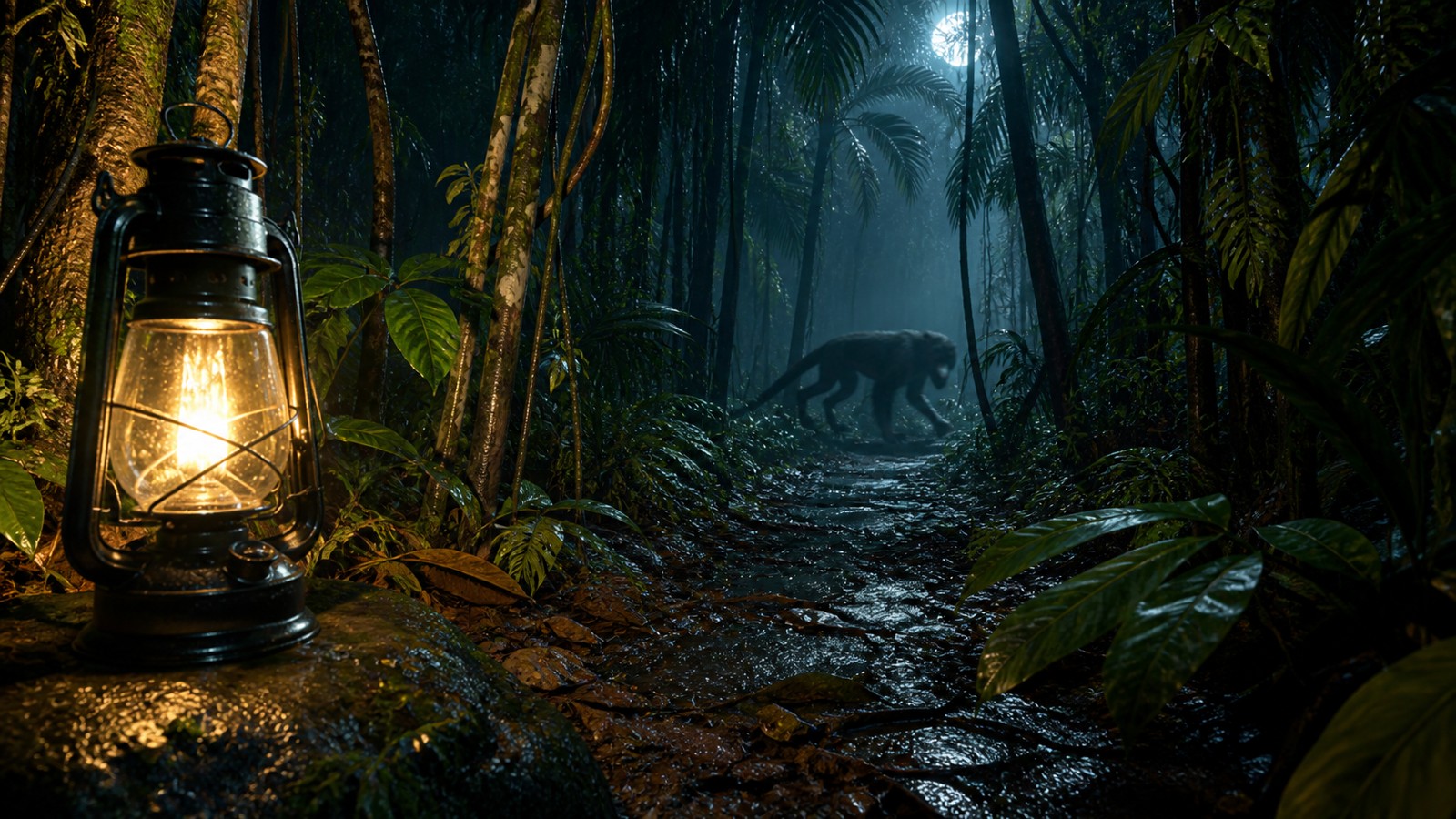
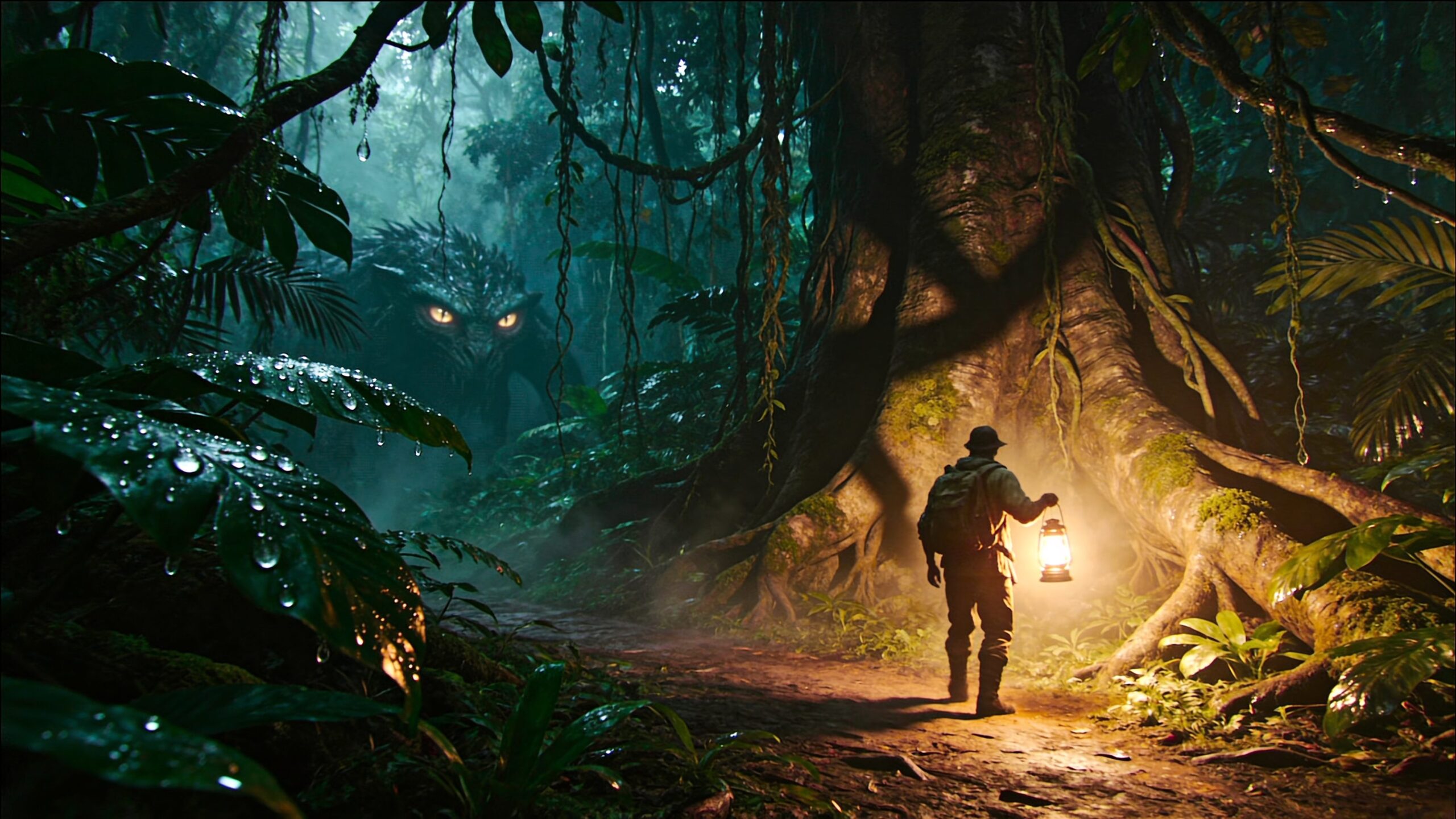
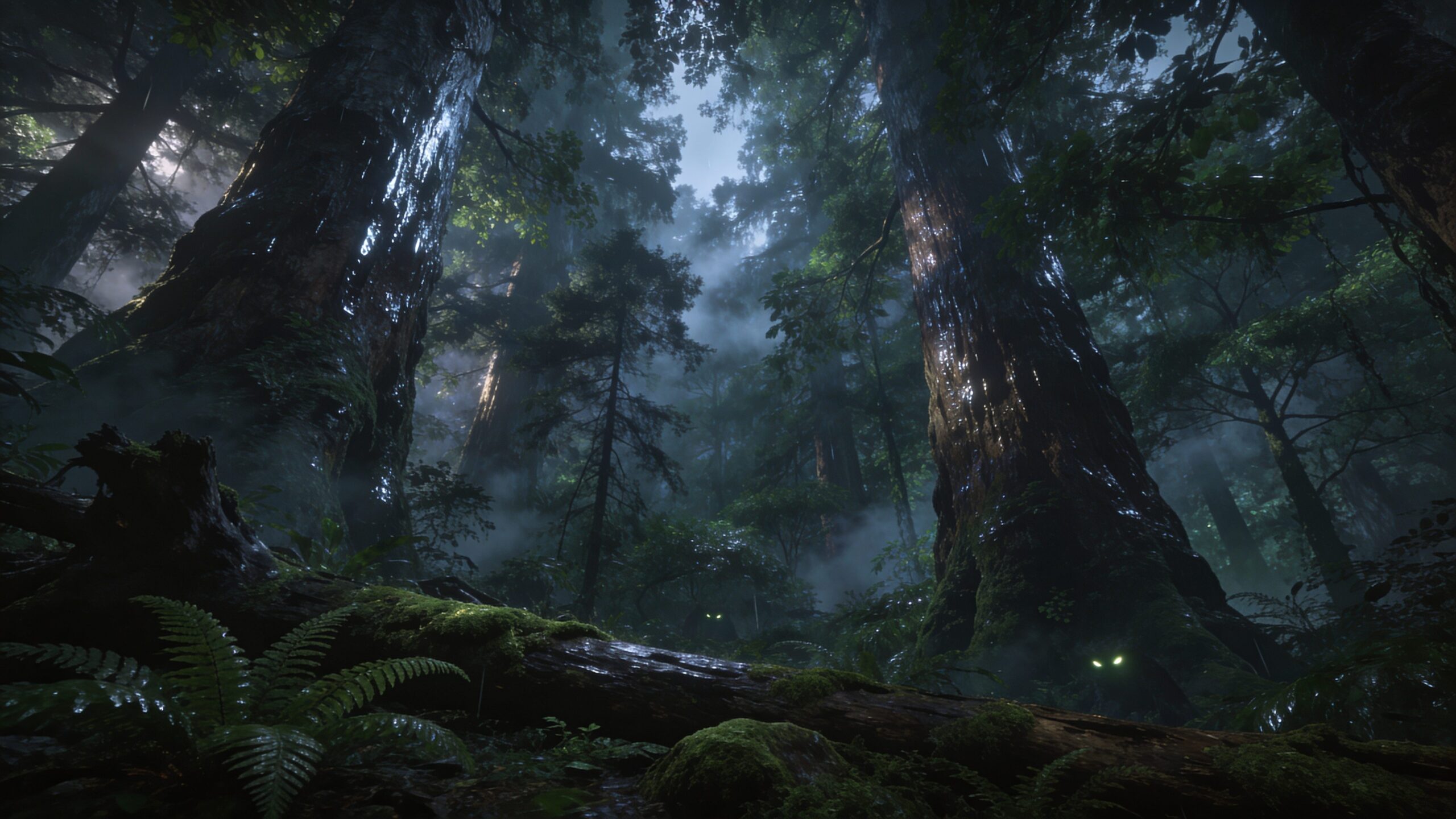
Rainforest cryptids often share certain characteristics in reported sightings. They are frequently described as elusive, nocturnal, and highly adapted to their surroundings. Many accounts emphasize unusual physical traits, such as glowing eyes, exaggerated size, or behaviors that suggest intelligence beyond typical wildlife. These descriptions blur the line between biological possibility and mythological imagination.
Famous Rainforest Cryptids Across the Globe
Different rainforests around the world have their own unique legends. In the Amazon, stories of massive serpent-like creatures moving silently through rivers have persisted for generations. In Central Africa, tales of large, unknown primate-like beings roaming deep forests continue to intrigue researchers and cryptozoologists. Southeast Asian rainforests are equally rich in cryptid lore, with reports of humanoid creatures that dwell in dense jungle regions. These stories are often intertwined with local beliefs and spiritual traditions, making it difficult to separate physical sightings from symbolic interpretations. Despite differences in geography, a common thread emerges: the rainforest is seen as a place where the unknown still lives.
Eyewitness Encounters That Defy Explanation
Eyewitness reports are among the most compelling pieces of evidence supporting the existence of rainforest cryptids. Many accounts come from individuals who are deeply familiar with the environment, such as local guides, hunters, or researchers. These witnesses often describe encounters with confidence and detail, adding credibility to their stories.
However, eyewitness testimony is inherently subjective. Environmental factors such as low visibility, unfamiliar sounds, and heightened senses can influence perception. In the rainforest, where shadows shift and sounds echo unpredictably, even experienced observers can misinterpret what they see. This creates a complex challenge when evaluating whether sightings are genuine encounters or natural misidentifications.
The Role of Indigenous Knowledge and Oral Traditions
Indigenous communities have lived within rainforest ecosystems for thousands of years, developing deep knowledge of the land and its inhabitants. Their oral traditions often include stories of creatures that are unknown to modern science. These narratives are not always meant to be literal descriptions but can carry cultural, spiritual, or moral significance. At the same time, dismissing these accounts entirely would overlook valuable ecological insight. Indigenous knowledge has historically contributed to the discovery of new species and understanding of ecosystems. In some cases, what begins as folklore may contain elements of truth, pointing researchers toward areas worthy of further exploration.
Science Meets the Unknown
Modern science has made significant progress in cataloging rainforest biodiversity, yet new species continue to be discovered regularly. Advances in technology, such as camera traps and environmental DNA analysis, have expanded the ability to detect elusive animals. These tools have occasionally captured images of species previously thought to be extinct or unknown.
Despite these advancements, no definitive proof of major rainforest cryptids has been confirmed. This does not necessarily mean they do not exist. Instead, it highlights the challenges of studying environments where access is limited and species are highly adapted to avoid detection. The rainforest remains one of the final frontiers for biological discovery.
Misidentification and Natural Explanations
Many cryptid sightings can be explained through known animals behaving in unexpected ways. Large snakes, primates, and even birds can appear dramatically different under certain conditions. Shadows, distance, and movement can distort perception, making familiar creatures seem entirely unknown. Additionally, rare or previously undocumented behaviors can contribute to confusion. Animals may exhibit unusual actions due to environmental stress, mating rituals, or territorial defense. These moments can leave a lasting impression on witnesses, reinforcing the belief that something extraordinary was encountered.
The Psychology of Fear and Discovery
Human psychology plays a significant role in the interpretation of cryptid encounters. The rainforest is an environment that naturally triggers heightened awareness due to its complexity and unpredictability. Sounds are amplified, visibility is limited, and the sense of isolation can intensify emotional responses.
This heightened state can lead individuals to interpret ambiguous stimuli as something more significant or threatening. At the same time, the desire to discover something new can influence perception in the opposite direction, encouraging belief in the existence of unknown creatures. These psychological factors add another layer to the mystery of rainforest cryptids.
Why Rainforests Are Perfect for Hidden Creatures
Rainforests provide ideal conditions for species to remain hidden. Dense vegetation, layered canopies, and vast, interconnected ecosystems create countless hiding places. Many animals have evolved camouflage, silent movement, and nocturnal habits that make detection extremely difficult. The sheer scale of these environments also contributes to the possibility of undiscovered species. Large areas remain unexplored or only partially studied, particularly in remote regions. This combination of biological diversity and limited access ensures that the rainforest continues to be a place where the unknown can plausibly exist.
Cryptids as Cultural Mirrors
Beyond their potential physical existence, rainforest cryptids serve as reflections of human culture and imagination. They embody fears, beliefs, and relationships with nature. In many traditions, these creatures represent the power of the forest itself, acting as guardians, warnings, or symbols of balance.
These cultural interpretations add depth to the study of cryptids, transforming them from simple mysteries into meaningful narratives. Understanding these stories provides insight into how different societies perceive and interact with their environment. It also highlights the importance of preserving both ecological and cultural heritage.
The Future of Rainforest Exploration
As technology continues to advance, the ability to explore and document rainforest ecosystems will expand. Drones, improved imaging tools, and genetic analysis offer new ways to uncover hidden species. These innovations may eventually provide answers to long-standing questions about cryptids. However, exploration must be balanced with conservation. Rainforests are under increasing pressure from deforestation, climate change, and human activity. Protecting these environments ensures that their mysteries—whether biological or cultural—remain intact for future generations to study and appreciate.
Real Creatures or Enduring Legends
The question of whether rainforest cryptids are real or purely mythical does not have a simple answer. Evidence suggests that many sightings can be explained through known science, yet the possibility of undiscovered species remains open. The rainforest’s vastness and complexity leave room for both skepticism and wonder.
Ultimately, the enduring fascination with rainforest cryptids reflects humanity’s relationship with the unknown. These stories remind us that despite technological progress, there are still places on Earth that challenge our understanding. Whether rooted in reality or imagination, the creatures of the rainforest continue to inspire curiosity, exploration, and a sense of awe.