The Most Dangerous Fantasy Beasts in Myth and Fiction
The most dangerous fantasy beasts are frightening not only because they are strong, but because their powers, instincts, intelligence, habitat, and symbolic meaning change the rules around them.
Why the Creature Story Matters
The Most Dangerous Fantasy Beasts in Myth and Fiction works best when the subject is treated as more than a list of names. The useful path begins with dangerous fantasy beasts, deadly mythical creatures, dragons, basilisks, sea monsters, werewolves, vampires, giant serpents, fantasy monsters, creature powers, and mythic danger, then asks how those ideas help people explain fear, wonder, place, memory, and the unknown. For fantasy fans, writers, game designers, students, horror readers, parents, artists, tabletop players, and readers comparing dangerous creatures, the value is not only finding another monster. It is learning why the monster belongs in the story.
Dangerous beasts often begin as warnings. They guard forbidden places, punish arrogance, explain disaster, protect treasure, haunt borders, or personify a fear people already recognize. Later fiction turns those warnings into battles, quests, boss fights, and monster encounters. That background gives the creature tradition weight. It also keeps the discussion from becoming a loose pile of spooky claims, because every legend has a setting, teller, purpose, and audience.
Where the Legend Comes From
Creature lore usually grows through repetition. A story is told at home, beside a river, near a road, in a book, in a film, or in a game, and each version keeps what feels powerful. Over time, the creature becomes a shared image that can survive even when details change.
The strongest version of the most dangerous fantasy beasts in myth and fiction separates older folklore from modern fantasy and from recent entertainment. That distinction matters because a sacred being, a cautionary tale, a cryptid claim, and a designed game monster do not do the same cultural work.
The Habitat Behind the Fear
The danger depends on habitat. A sea monster controls distance and depth. A cave beast controls darkness. A flying predator controls approach from above. A desert creature controls thirst, heat, and visibility. The place gives the beast its advantage. Setting gives a creature limits. It tells the audience how the being moves, what it threatens, why people might encounter it, and what kind of warning the story carries.
A swamp creature, desert hunter, ice spirit, sea monster, jungle guardian, or cave beast becomes more convincing when the environment shapes its body and behavior. Good creature lore makes the place feel active instead of using it as a painted background.
Symbols Hidden in the Body
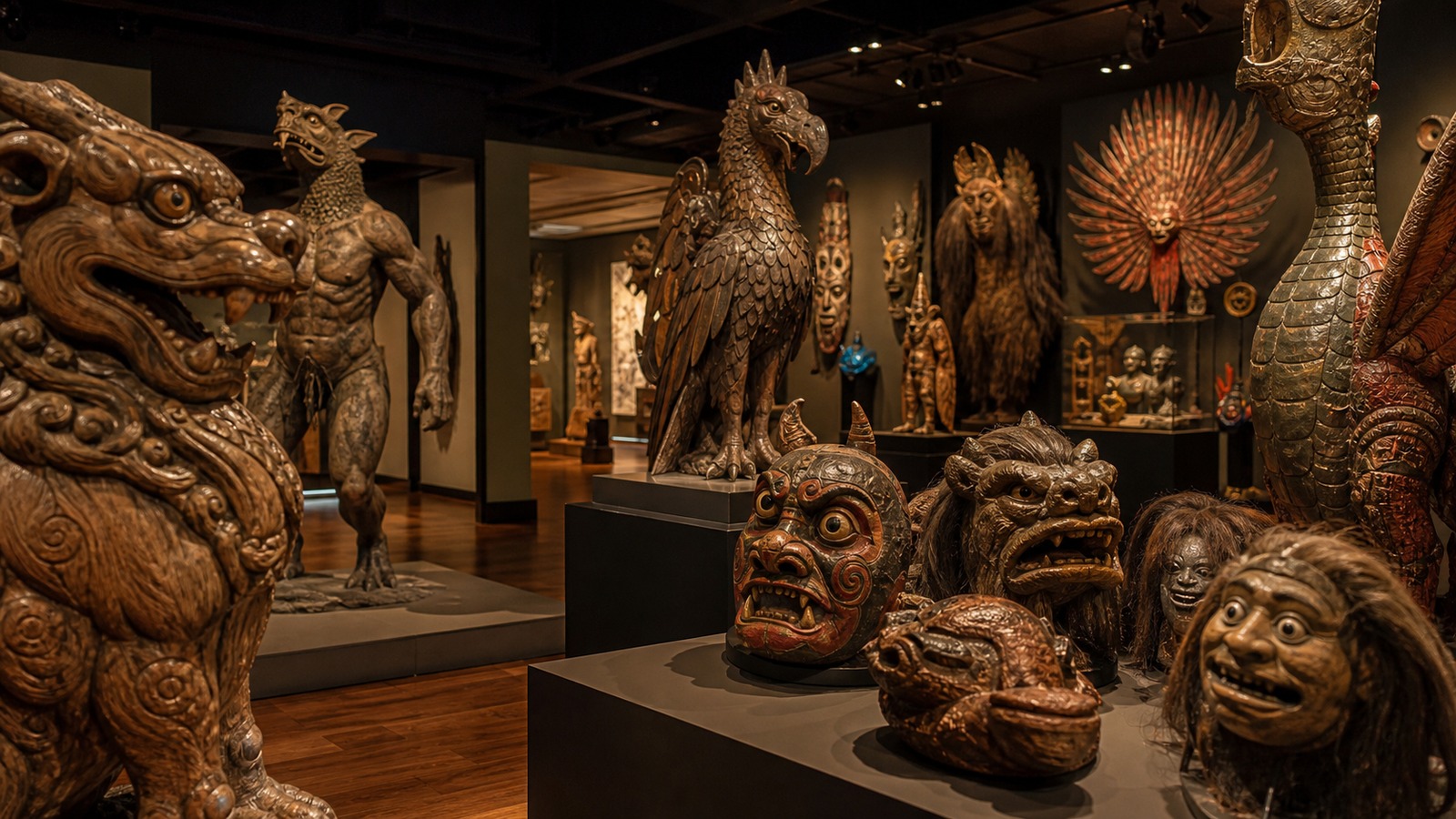
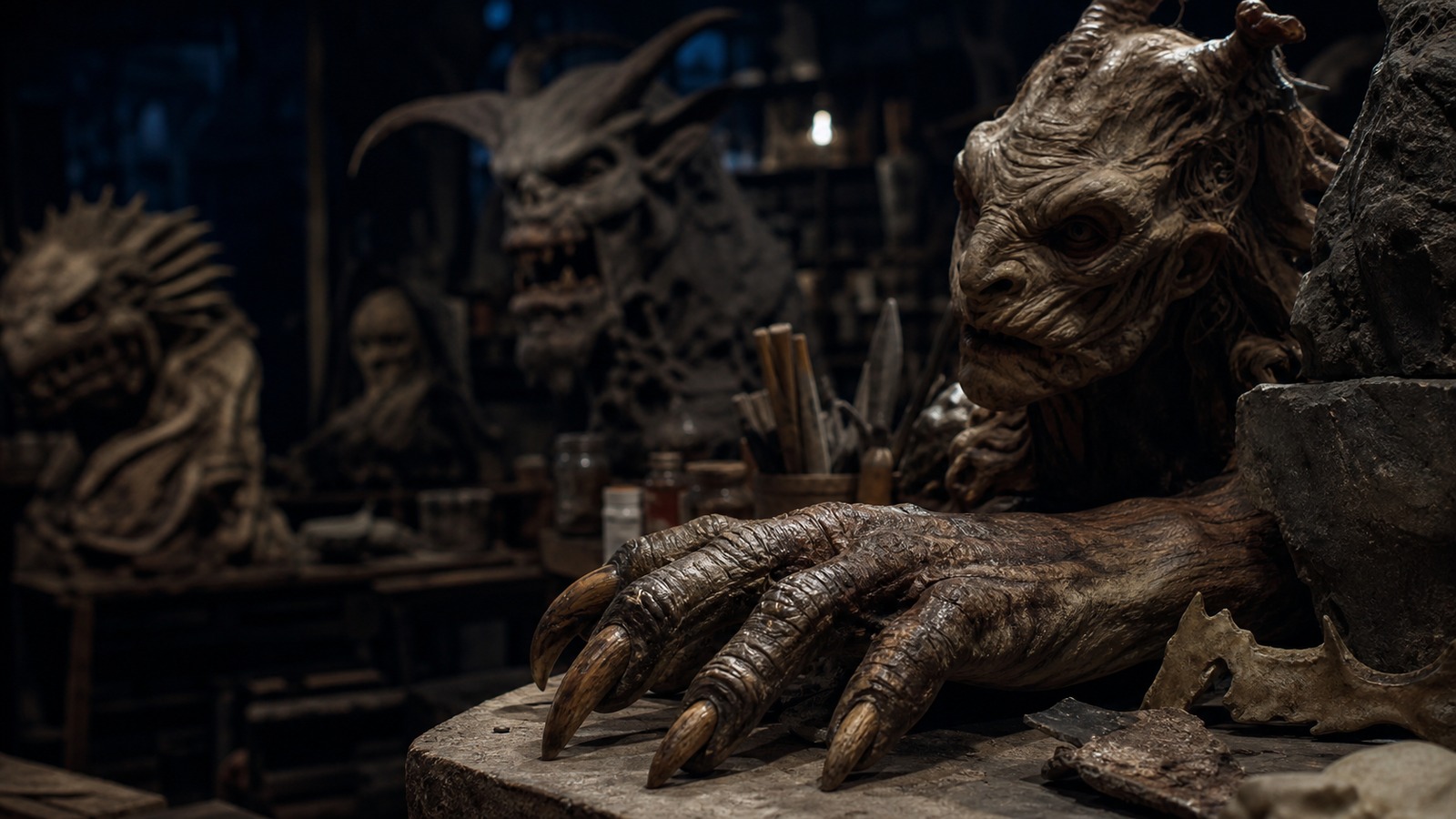
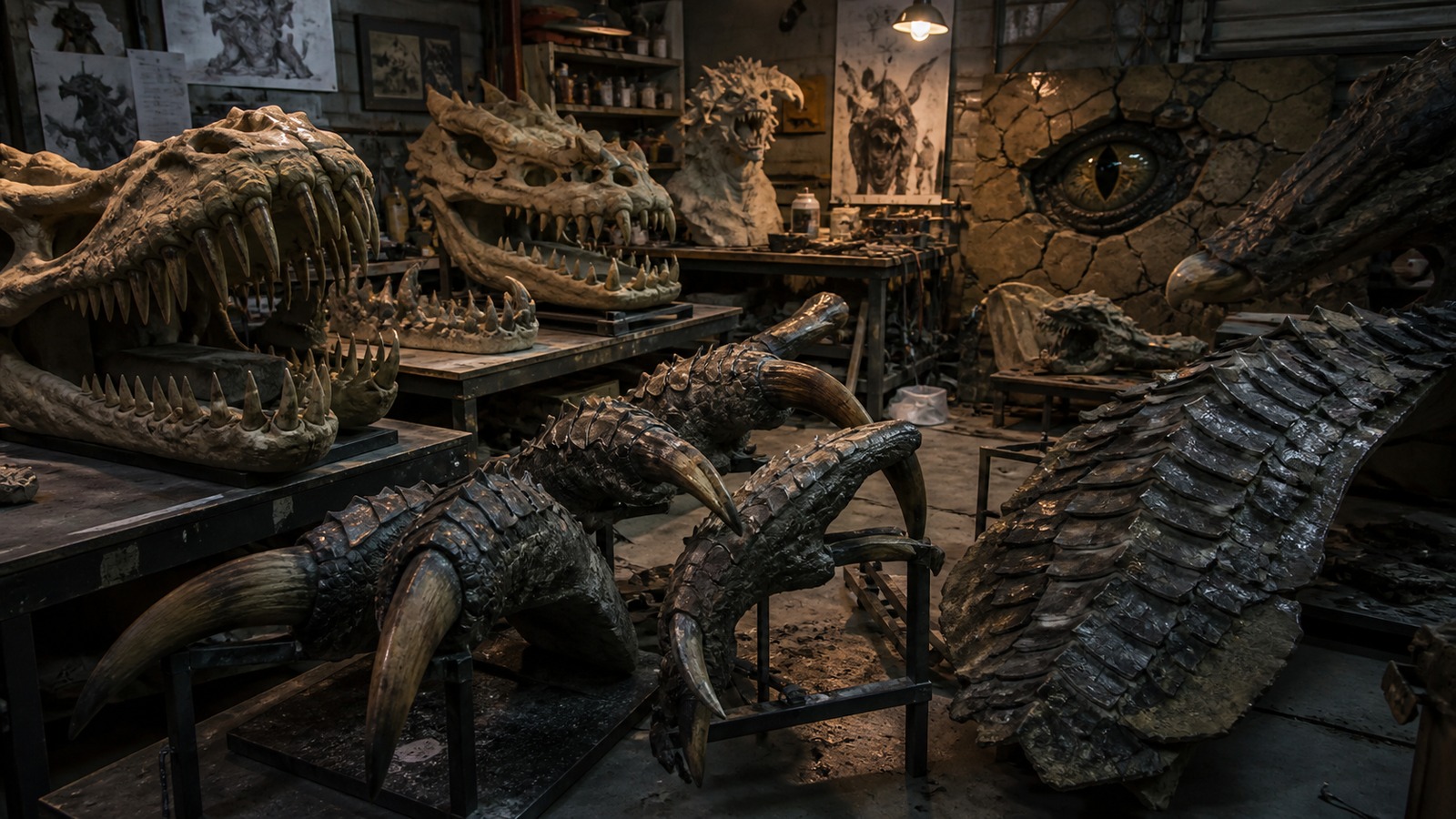
Dangerous fantasy beasts symbolize forces people cannot easily negotiate with: hunger, plague, storm, war, death, greed, wilderness, old magic, and the cost of entering places where humans do not belong. The body of a creature often works like a visual sentence. Wings can suggest freedom or danger. Horns can suggest power. Scales can suggest armor. Teeth, claws, eyes, tails, and voices all tell the listener how to feel before the story explains anything.
This is why creature design lasts when it is simple enough to remember and flexible enough to retell. A memorable silhouette lets artists, writers, and readers carry the legend into new forms while keeping the original emotional charge.
Famous Examples and Useful Patterns
Useful examples include fire-breathing dragons, venomous basilisks, lake monsters, giant serpents, undead predators, cursed wolves, armored guardians, shadow beasts, and intelligent creatures that win through patience rather than size. These examples matter because they show repeated patterns. Some creatures guard thresholds. Some punish pride. Some lure travelers. Some protect nature. Some reveal a broken rule in the human world.
Looking for patterns is more useful than memorizing names alone. Once the pattern is clear, a reader can understand why different cultures imagine similar beings while still respecting the differences between those traditions.
How to Compare Creature Types
Creature types can be compared by body form, habitat, moral role, relationship to people, and level of evidence inside the story. A dragon, forest guardian, alien organism, underworld beast, and lake monster may all be called creatures, but each one creates a different kind of attention.
Comparison also keeps the subject organized. Instead of treating the most dangerous fantasy beasts in myth and fiction as one crowded category, the discussion can sort protectors from predators, symbols from sightings, sacred beings from entertainment monsters, and old traditions from modern inventions.
The Role of Real Animals
Real animals often sit behind creature stories. Large snakes, bears, big cats, deep-sea fish, owls, bats, crocodilians, whales, fossils, and unfamiliar tracks have all helped people imagine beings that feel larger than ordinary wildlife.
That does not make the stories simple mistakes. Real animals provide shape and texture, while culture supplies meaning. The creature becomes a bridge between observed nature and the fears, values, and mysteries a community attaches to that nature.
How Modern Fantasy Uses the Idea
Modern fiction often ranks dangerous creatures by powers, but danger also comes from story function. A small creature that spreads panic, breaks trust, or changes the hero’s choices can be more threatening than a giant beast used only for spectacle. Modern creators often remix creature lore for new audiences, but the best versions keep a clear reason for the creature to exist. A dragon, spirit, alien, cryptid, or monster should affect choices, atmosphere, and stakes.
In games and visual media, that means the creature needs readable behavior. The audience should be able to sense whether it hunts, guards, warns, deceives, protects, tests, or transforms the people around it.
What Makes a Creature Memorable
A memorable creature usually has one clear visual hook and one clear story function. The hook might be a horn, glowing eyes, impossible size, a split body, a strange voice, or movement that no ordinary animal would use. The function explains why the creature matters.
That combination helps the most dangerous fantasy beasts in myth and fiction stay readable. The audience remembers the image, then remembers the warning, mystery, or emotional pressure attached to it. Without both parts, the creature can fade into a generic list.
How to Read the Creature Clearly
A strong creature article stays close to its title. The reader needs to know what the creature is, where the idea comes from, what role it plays, and why it still matters.
The article is stronger when examples, body details, habitat, and modern uses all support the same subject instead of drifting into unrelated monster-language.
What Makes the Creature Feel Believable
Believability comes from limits. A creature with rules feels stronger than a creature that can do anything at any time. The audience needs to sense when it appears, what attracts it, what it avoids, and why people in the story respond with fear, respect, curiosity, or caution.
For the most dangerous fantasy beasts in myth and fiction, those limits can come from weather, ritual, habitat, hunger, magic, biology, or memory. The exact explanation depends on the tradition, but the result is the same: the creature becomes easier to remember because it behaves with a recognizable pattern.
How Fear and Wonder Work Together
Creature stories last because they rarely carry only one emotion. Fear makes the encounter dangerous, while wonder keeps the listener leaning closer. A monster that only threatens can become flat. A creature that only amazes can lose tension. The richest legends hold both feelings at once.
That balance matters for fantasy fans, writers, game designers, students, horror readers, parents, artists, tabletop players, and readers comparing dangerous creatures because it changes the way the subject is understood. A beast can be frightening and sacred. A spirit can be beautiful and unsafe. An alien organism can be strange and scientifically interesting without becoming a simple villain.
Why Details Change Between Versions
Creature details change because stories travel. A tale may move from one village to another, from speech to print, from folklore to film, or from local warning to global internet mystery. Each retelling keeps the part that works for its audience and adjusts the rest.
That variation is not a flaw by itself. It is part of folklore’s life. The important task is noticing which details remain stable: the habitat, warning, body shape, behavior, taboo, or emotional lesson that keeps returning even when names and descriptions shift.
How the Creature Shapes a Scene
A good creature changes the scene before it appears. Tracks in snow, silence in the trees, broken reeds near water, strange lights over ruins, or a sudden change in animal behavior can prepare the audience for something beyond ordinary explanation.
Those signs create rhythm. The story does not need to reveal the creature immediately. Anticipation gives the imagination room to work, and the final encounter feels stronger because the world has been pointing toward it.
How to Use This Creature Idea
A broad creature topic works best when it stays close to origin, body, habitat, behavior, and story role. Those anchors keep the article specific even when it covers many examples.
The most useful explanation gives readers a way to compare creatures without making them all feel the same. Specific details make the subject easier to remember.
Design Lessons for Writers and Artists
Writers and artists can build stronger creatures by starting with role. A guardian needs boundaries. A predator needs hunting logic. A trickster needs temptation. A sacred being needs respect. A science-fiction organism needs environmental pressure.
That role then shapes body, movement, sound, color, scale, weakness, and relationship to people. The creature becomes easier to believe because every detail points toward the same purpose.
Creature Questions Worth Asking
Ask what the creature represents, where it belongs, how it behaves, and why people keep retelling it. Also ask which details are essential and which are later additions.
Those questions keep the article from becoming a loose list. They connect examples back to meaning, design, folklore, science, or modern use.
Common Mistakes to Avoid
The biggest mistake is measuring danger only by physical strength. A creature can be dangerous because it is hard to detect, impossible to reason with, tied to a curse, protected by terrain, or able to change what characters believe. Another mistake is making every creature huge, violent, and mysterious in the same way. Many of the best legends are memorable because they are precise. They haunt one road, guard one river, answer one taboo, or appear under one kind of moon.
Careful creature writing also avoids flattening living cultures into entertainment. Folklore deserves context, especially when stories come from communities whose traditions are still active and meaningful.
Why the Story Still Lasts
The most dangerous fantasy beasts are memorable because they alter the world around them. Their power is not just what they can do, but what everyone else must do differently because they exist. A lasting creature gives the imagination a shape to return to. It can frighten, protect, warn, entertain, or inspire, but it remains useful because people still recognize something true inside the impossible form.
That is why creature stories continue to move between folklore, books, games, films, parks, and online communities. The forms change, but the deeper questions remain: what lives beyond the light, what deserves respect, and what happens when people cross a boundary they do not understand?
Why the Topic Still Matters
Creature stories last because they make wonder easier to picture. They can warn, protect, frighten, entertain, teach, or give shape to places people do not fully understand.
A clear article keeps that imaginative power while staying organized. It leaves the reader with a sharper sense of what the creature is and why the subject still returns.