The Magic Behind Living Museum Worlds
Interactive creature exhibits are some of the most exciting experiences a museum can create. They do more than place a model behind glass. They invite visitors into a living world where a dinosaur breathes, a deep-sea creature glows, a rainforest animal calls from the shadows, or a mythical beast appears to react to human presence. These exhibits turn education into discovery by making the visitor feel like part of the story. Museums create interactive creature exhibits by blending science, art, engineering, storytelling, and environmental design. Every movement, sound, light cue, habitat texture, and visitor pathway is planned with purpose. The best exhibits feel effortless, but behind the scenes, they are the result of careful research, creative design, technical testing, and a deep understanding of how people learn through wonder.
A: They use motion sensors, sound, lighting, touchscreens, animatronics, and responsive environments.
A: Many are guided by scientists, fossils, field research, and current educational interpretation.
A: Animatronics help visitors imagine movement, behavior, and presence in a memorable way.
A: Realistic movement, texture, lighting, sound, posture, and habitat context all work together.
A: Yes, strong exhibits use layered design so children and adults can both engage meaningfully.
A: Complex exhibits can take many months or longer depending on scale and technology.
A: Common tools include servos, sensors, projection mapping, audio systems, lighting controls, and digital interactives.
A: Habitat design helps visitors understand where the creature lived and how it behaved.
A: Yes, moving parts, lighting, electronics, scenery, and interactive systems require regular care.
A: The goal is to inspire curiosity while teaching visitors about creatures, environments, and stories.
Starting With the Creature’s Story
Before a museum builds a creature, it builds a story. The team decides what the exhibit should teach, what emotion it should create, and how the creature fits into the visitor’s journey. A prehistoric animal exhibit might focus on survival and evolution, while a deep-sea creature display might explore mystery, adaptation, and life in extreme environments.
This story becomes the foundation for every design choice. The creature’s pose, movement, sound, habitat, lighting, and interactive elements all support the same central idea. Instead of showing visitors a creature as an isolated object, the museum presents it as part of a larger world filled with behavior, environment, danger, beauty, and scientific meaning.
Research Comes Before the Reveal
Museum creature exhibits often begin with extensive research. Designers study fossils, anatomy, scientific papers, field photography, animal behavior, ecological data, and historical references. If the creature is extinct, the team may work with paleontologists to understand possible posture, movement, skin texture, and habitat. If the creature is modern, biologists may help guide accurate behavior and environmental details. Even fantasy or folklore-inspired exhibits benefit from research. Designers may study real animals to make imaginary creatures feel believable. A dragon might borrow movement from reptiles, birds, bats, and big cats. A swamp monster might combine amphibian textures with predator behavior. The goal is not always literal accuracy, but convincing biological logic.
Concept Art Shapes the Experience
Once the research direction is clear, artists begin developing concept art. These early sketches explore scale, color, texture, posture, facial expression, and exhibit mood. Concept art helps the team visualize how the creature will appear inside the space before expensive materials or technology are used.
Museum teams often create several versions before choosing the final direction. One design may feel too frightening for young visitors, while another may lack enough visual drama. The best concept art balances accuracy, excitement, and emotional accessibility. It gives the creature personality without turning the exhibit into pure entertainment.
Designing the Visitor Journey
Interactive creature exhibits are not only about the creature. They are about how visitors encounter it. Museums carefully plan the approach, viewing angles, reveal moments, sound zones, lighting transitions, and exit path. The creature might be hidden at first, allowing suspense to build before visitors round a corner and discover it in a dramatic setting. This visitor journey determines how people feel and learn. A wide open gallery may create awe, while a narrow pathway through simulated jungle can create intimacy and suspense. Interactive stations may be placed before or after the creature to explain its behavior, habitat, or scientific importance. Every step is designed to guide attention.
Building Realistic Habitats
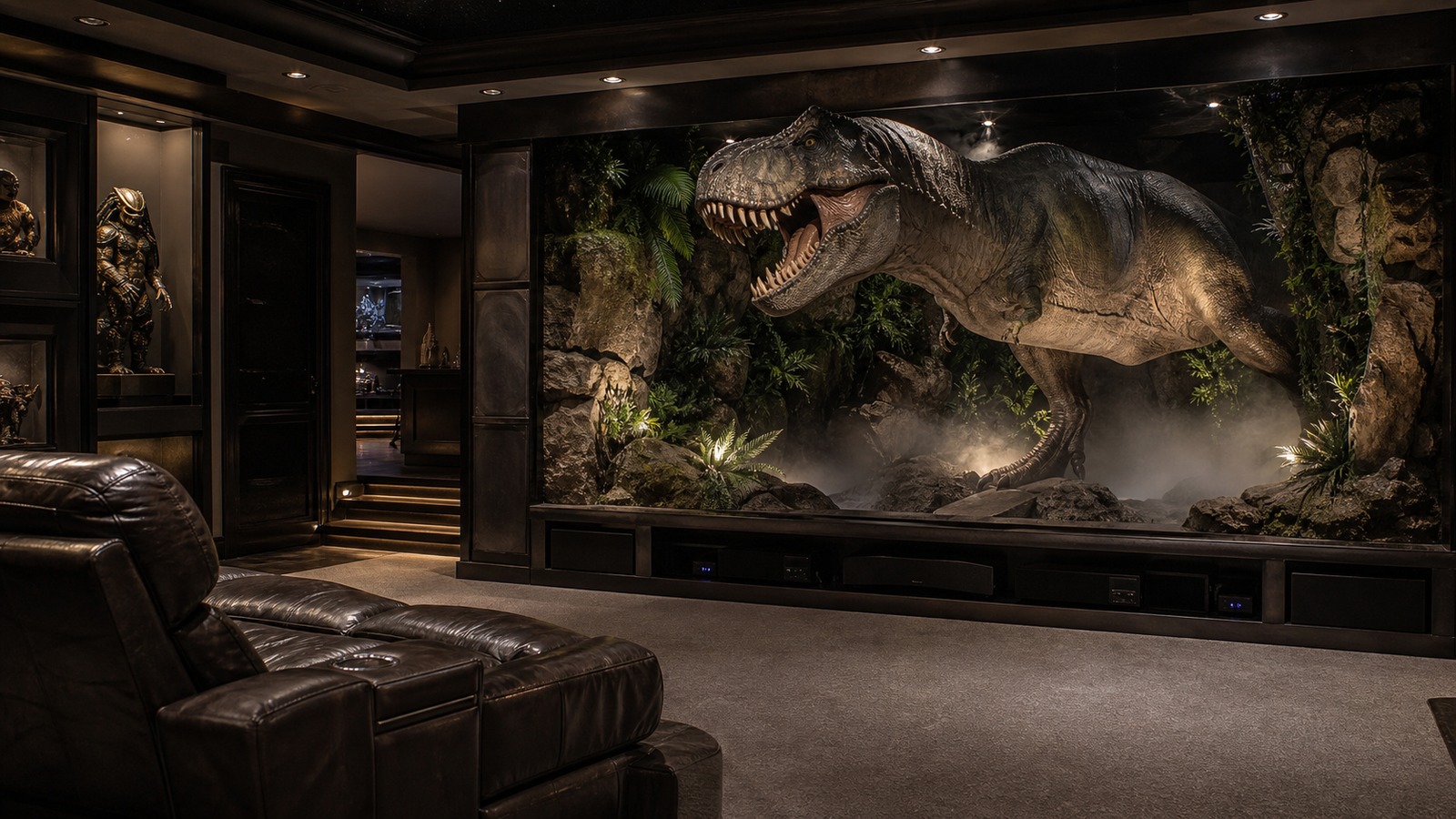
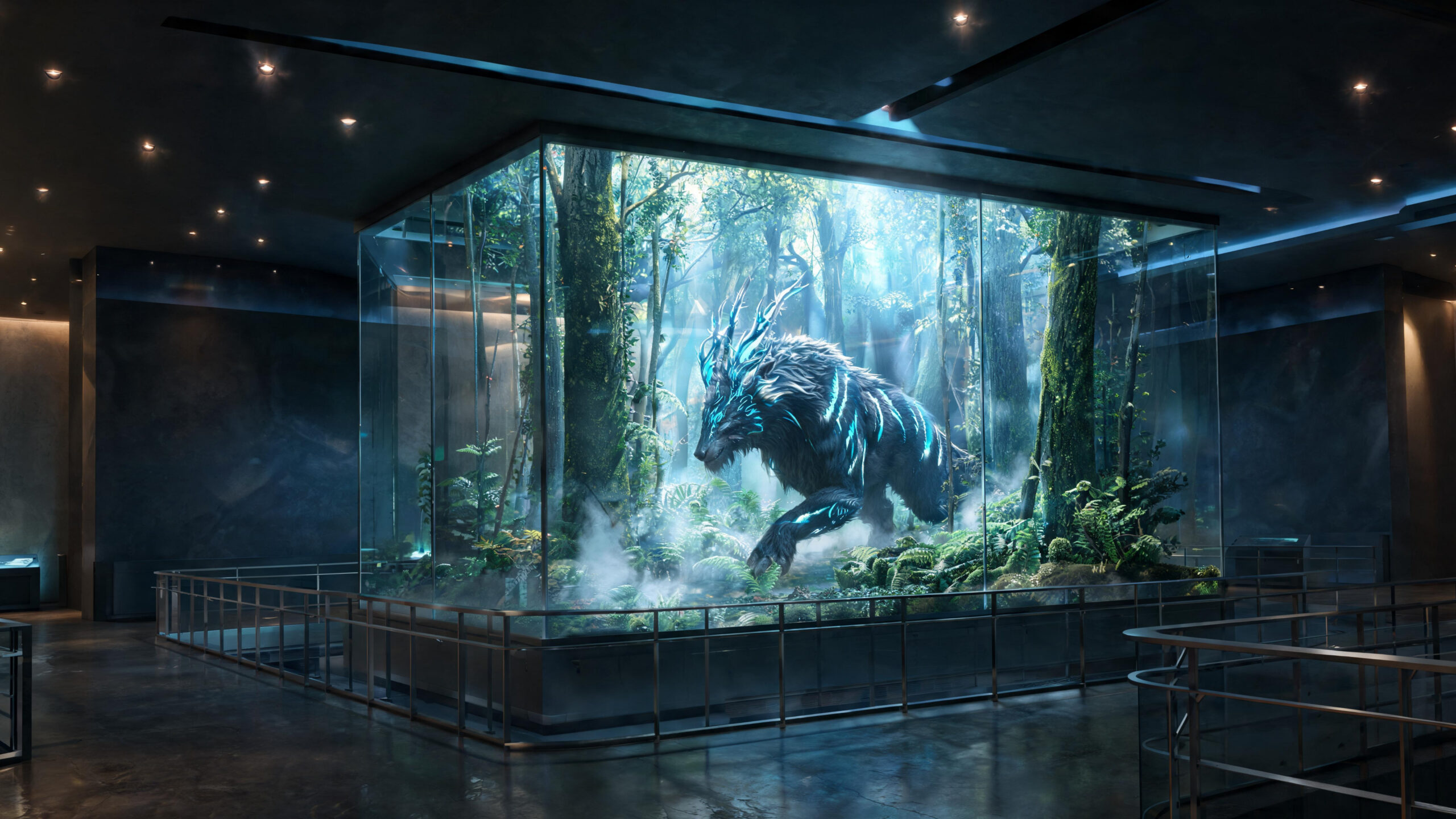
A creature display feels more powerful when it belongs to a believable habitat. Museums use rocks, plants, soil textures, water effects, artificial trees, cave walls, fossils, mist, lighting, and background sound to create immersive environments. These settings help visitors understand where the creature lived and how it interacted with its world.
Habitat design also supports storytelling. A predator may stand near claw-marked trees or scattered bones. A rainforest creature may appear among vines, moss, and layered vegetation. A deep-sea organism may be surrounded by darkness, glowing particles, and drifting movement. The environment teaches without needing to over-explain.
Animatronics Bring Creatures to Life
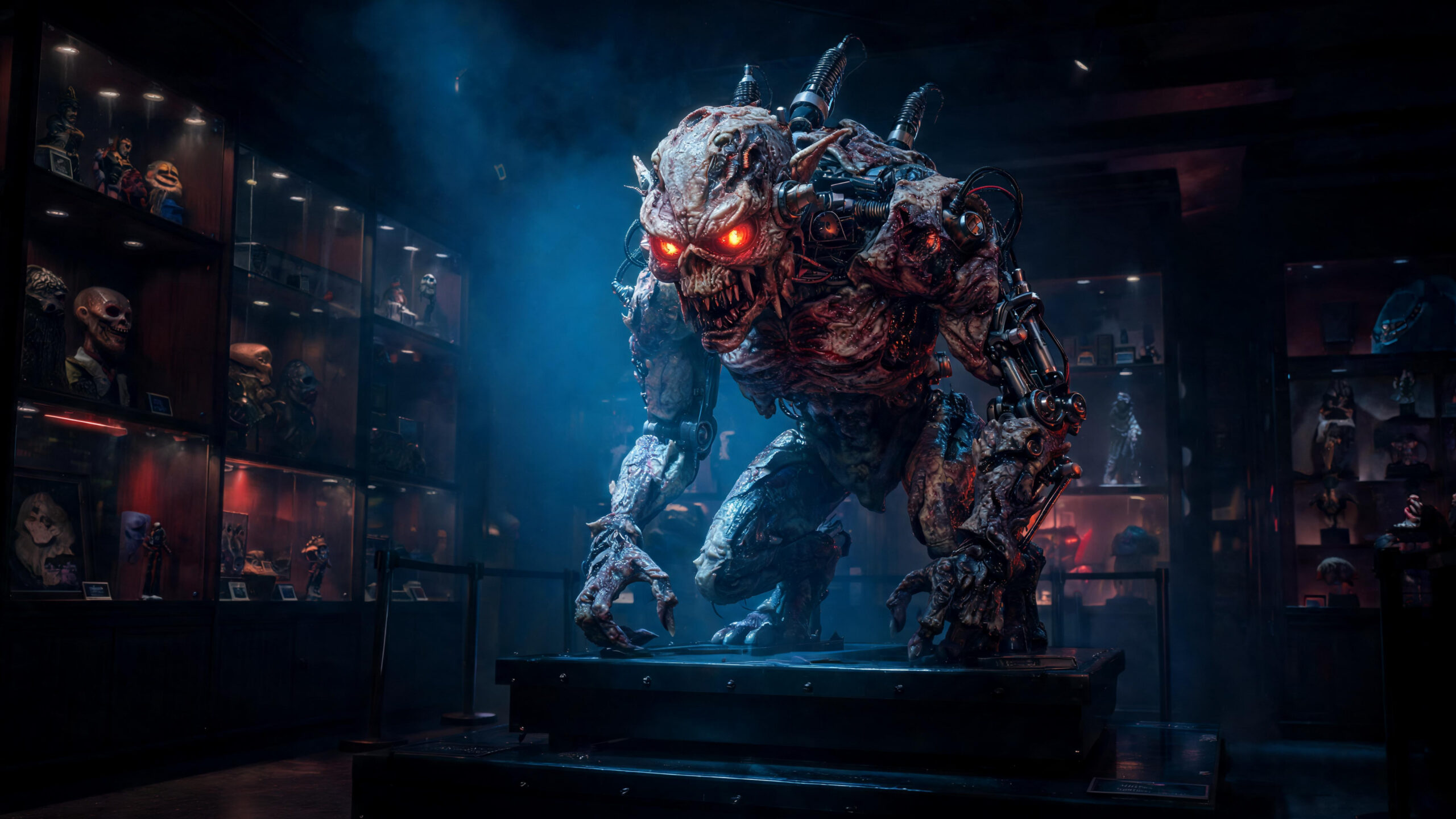
Animatronics are one of the most dramatic tools museums use for interactive creature exhibits. A creature that blinks, breathes, turns its head, opens its jaw, or moves its tail instantly feels more alive. These movements help visitors imagine behavior instead of simply observing form. Behind the creature’s surface, engineers build internal frames, motors, servos, cables, pneumatic systems, and control units. The movement must be smooth, durable, safe, and believable. Museums often avoid excessive motion because subtle animation can feel more realistic than constant movement. A slow breath or eye blink can be more powerful than a roaring jump scare.
Sound Design Creates Emotional Presence
Sound is one of the most overlooked parts of interactive creature exhibits, yet it has enormous impact. A low rumble, distant call, wing flutter, claw scrape, or underwater pulse can make a creature feel present before visitors even see it. Sound creates anticipation and gives the exhibit emotional depth.
Museums use layered audio to build atmosphere. Background sounds may include wind, insects, water, distant animal calls, or cave echoes. The creature itself may have specific vocalizations triggered by motion sensors or timed sequences. Good sound design supports the exhibit without overwhelming the visitor or turning the gallery into noise.
Lighting Guides the Eye
Lighting is essential to making creature exhibits feel cinematic and educational. Museum designers use focused spotlights, soft ambient glow, shadow, color temperature, and directional beams to guide attention. Proper lighting can reveal texture, suggest time of day, and create mood. A desert creature might be lit with warm, harsh light, while a nocturnal creature may appear under cool, low illumination. Deep-sea exhibits may use blue-black lighting with glowing highlights. Lighting also helps hide mechanical parts, protect sensitive materials, and create dramatic reveal moments as visitors move through the space.
Interactive Technology Deepens Engagement
Modern museums use interactive technology to make creature exhibits more engaging. Motion sensors can trigger movement when visitors approach. Touchscreens can allow guests to explore anatomy, diet, habitat, or fossil evidence. Projection mapping can add moving shadows, environmental effects, or changing backgrounds.
Some exhibits use augmented reality, gesture controls, or responsive audio to create a sense of participation. The best technology does not distract from the creature. Instead, it strengthens the visitor’s connection to the subject. Interactivity should feel natural, meaningful, and easy to understand.
Balancing Education and Entertainment
A successful interactive creature exhibit must entertain, but it cannot forget its educational purpose. Museums are careful to make the spectacle serve the science. A roaring dinosaur is exciting, but the exhibit should also explain what scientists know, what remains uncertain, and why the creature matters. This balance is what separates a museum exhibit from a theme park attraction. The museum experience should spark curiosity and leave visitors with new knowledge. The entertainment draws people in, while the educational content gives the experience lasting value.
Making Creatures Believable
Believability comes from detail. Skin texture, eye design, posture, weight distribution, breathing rhythm, sound timing, and environmental context all matter. Visitors may not consciously notice every detail, but they can sense when something feels wrong.
Museums often use real animal references to make creatures more convincing. A large reptile might move with the slow authority of a crocodile. A bird-like dinosaur might tilt its head with quick, alert motions. A mammalian predator might breathe deeply and shift its weight. These subtle details help visitors believe in the creature.
Designing for Different Ages
Interactive creature exhibits must work for children, teens, adults, families, educators, and casual visitors. Younger visitors may respond most strongly to motion and sound, while adults may appreciate scientific interpretation and design detail. Museums create layered experiences so each audience can engage at a different level. Simple visual storytelling helps children understand the exhibit quickly. Deeper labels, digital interactives, and guided programs provide more context for older audiences. A strong exhibit does not rely on one method of communication. It uses many pathways to reach different kinds of learners.
Safety and Accessibility Matter
Behind every exciting exhibit is a serious focus on safety. Animatronic creatures must be protected from visitor contact unless specifically designed for interaction. Moving parts must be enclosed or positioned safely. Electrical systems, platforms, lighting, fog effects, and pathways all require careful planning.
Accessibility is equally important. Museums design exhibits so visitors using wheelchairs, strollers, hearing aids, or visual assistance can still enjoy the experience. Clear pathways, readable layouts, audio alternatives, tactile elements, and multiple viewing heights help make the exhibit more inclusive.
Testing the Exhibit Before Opening
Before a creature exhibit opens, museums test everything. They check movement timing, sound levels, lighting angles, visitor flow, interactive triggers, durability, emergency access, and maintenance routines. Staff may observe trial audiences to see where people stop, what they notice, and what they miss. Testing often reveals surprises. A sound may be too loud, a label may be ignored, a sensor may trigger too frequently, or a creature movement may happen when visitors are looking away. These adjustments refine the exhibit until it feels smooth, intuitive, and memorable.
Maintenance Keeps the Creature Alive
Interactive creature exhibits require ongoing care. Animatronics have motors, joints, skins, electronics, speakers, lights, and control systems that need inspection. Habitat elements may collect dust, wear down, or require repair. Touchscreens and sensors must remain responsive.
Museums plan for maintenance from the beginning. Access panels, replaceable parts, durable materials, and staff training all help keep the exhibit running. A creature that stops moving or looks worn can quickly break immersion, so long-term care is part of the creative process.
Why Visitors Remember Creature Exhibits
People remember interactive creature exhibits because they activate imagination. A static object can teach facts, but a moving creature can create a moment. Visitors remember the head turn, the roar, the glowing eyes, the hidden movement in the trees, or the feeling of stepping into another world. These emotional memories make learning stronger. When visitors feel curiosity, awe, surprise, or wonder, they are more likely to remember the information connected to that feeling. That is why creature exhibits remain some of the most powerful tools in museum storytelling.
The Future of Interactive Creature Exhibits
The future of museum creature exhibits will be even more immersive. Artificial intelligence, advanced robotics, projection mapping, responsive environments, and real-time visitor interaction will allow creatures to behave in more lifelike ways. Exhibits may adapt based on crowd movement, visitor choices, or educational goals.
Even as technology advances, the heart of the experience will remain the same. Museums create interactive creature exhibits to inspire curiosity. They use creatures to help people understand nature, extinction, evolution, mythology, imagination, and the relationship between humans and the living world.
Bringing Wonder to Life
Creating an interactive creature exhibit is a complex act of world-building. It requires researchers, artists, engineers, educators, fabricators, sound designers, lighting experts, and museum planners to work together toward one goal: making visitors care. The best museum creature exhibits do not simply show what a creature looked like. They show how it may have lived, moved, sounded, hunted, survived, or inspired legends. They transform galleries into living stories and remind visitors that learning can feel like adventure.