
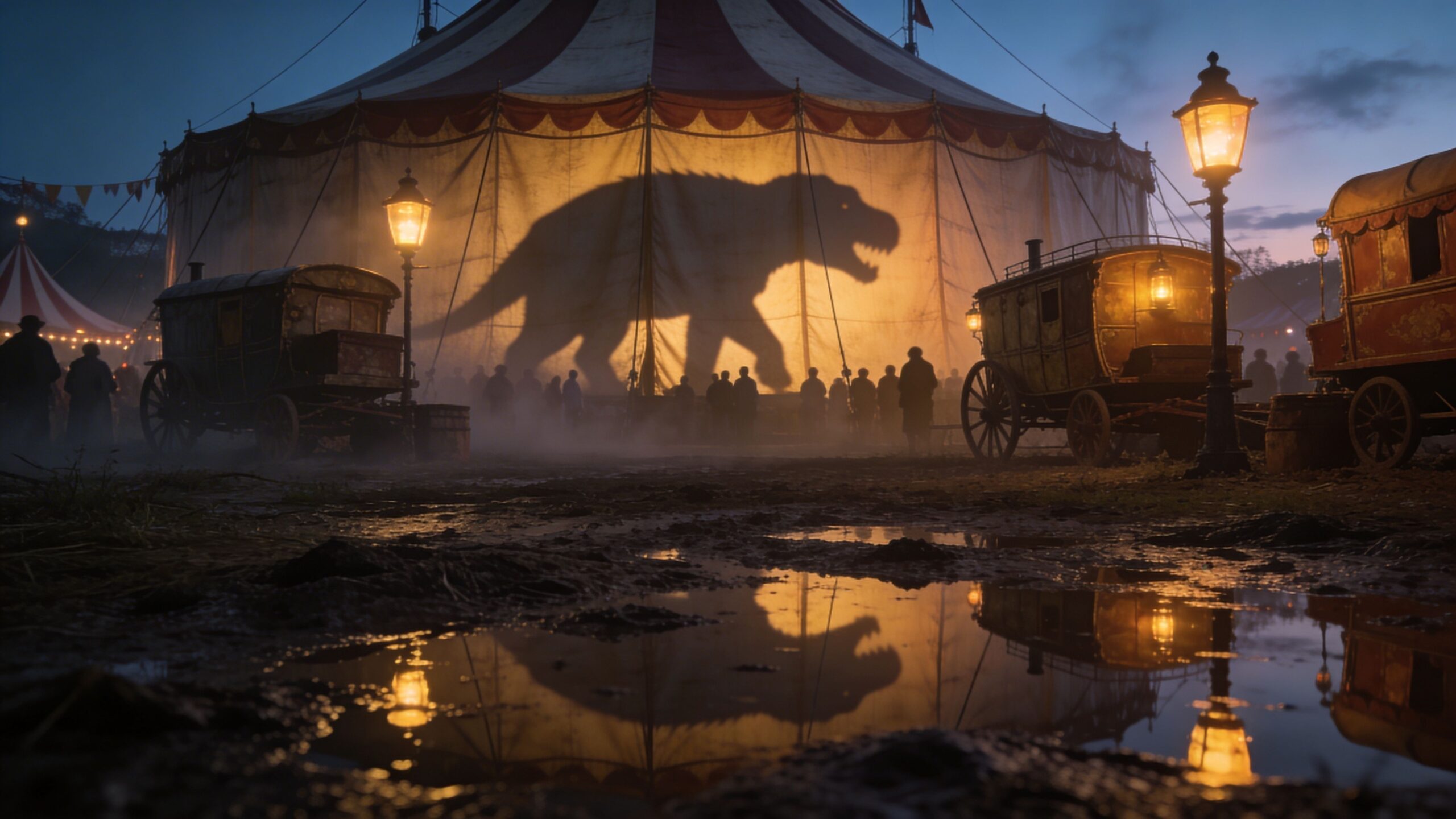
Traveling Creature Shows are the roaming heartbeats of Creature Street—part theater, part folklore lecture, part midnight rumor rolled into a caravan of wonder. These touring spectacles bring mythological beasts and cryptids to new crowds, setting up in fairgrounds, theaters, convention halls, and pop-up trailers where the lights go low and the legends step forward. This category explores the craft behind the roadborn magic: how showrunners turn regional lore into stage-ready encounters, how creature builders design silhouettes that read instantly from the back row, and how sound, haze, and pacing keep the unknown just out of reach. Expect deep dives into classic “monster roadshows,” modern cryptid nights, interactive storytelling performances, and immersive walk-through sets that feel like a field report come alive. We’ll track how legends change from town to town, why local monsters get top billing, and what makes an audience lean in rather than laugh. If you love lore with a little spectacle, these articles follow the monster show wherever it rolls next.
A: Any touring event that stages cryptids or mythic beings through performance, exhibits, or immersive “sighting” experiences.
A: Most focus on lore and spectacle—curiosity over proof—while presenting stories and theories.
A: Strong regional lore, believable atmosphere, and controlled reveals that keep the unknown intact.
A: Modular sets, portable lighting, adaptable sound cues, and flexible pacing for crowd size.
A: Ones with iconic silhouettes—lake beasts, winged omens, forest giants, and horned guardians.
A: Use shadows, distance, fog, and short movement beats instead of long, bright exposure.
A: Yes—credit origins, present variants, and avoid mocking sacred or sensitive traditions.
A: Often yes, with adjustable intensity—wonder-first storytelling with optional spooky moments.
A: A last ambiguous sighting beat that connects to local lore and leaves the crowd debating.
A: Clear lore, immersive atmosphere, smart pacing, and creatures that feel present without overexposure.